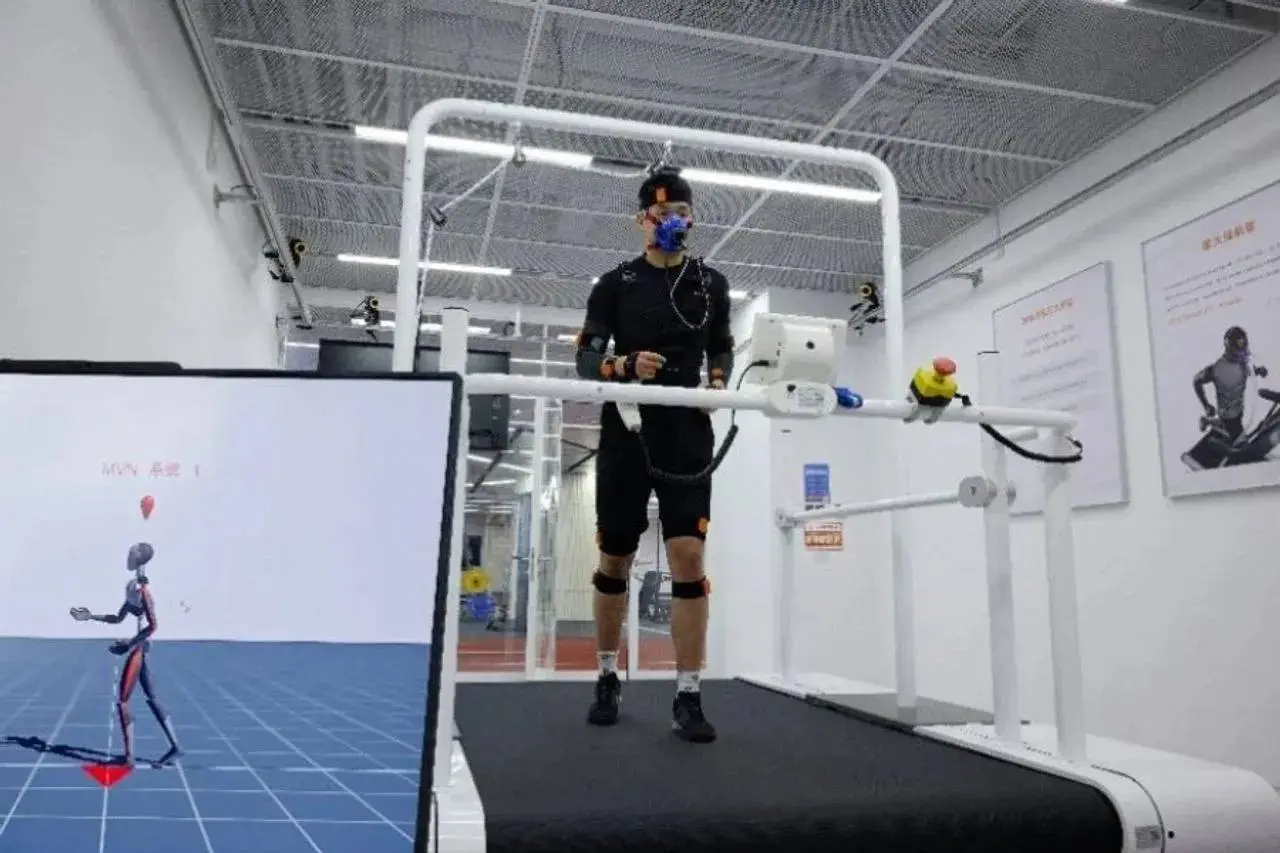
Xiaomi is clearly tired of the "toy" reputation that budget fitness trackers sometimes carry. In a major move to bridge the gap between casual wearables and actual medical-grade equipment, the company just finished building a massive, 5,000-square-meter Sports and Health Lab.

This isn't just a fancy gym for employees. It’s a specialized research fortress packed with 23 different sports testing zones and nearly 30 "gold standard" medical devices. The goal is simple: Xiaomi wants to stop guessing how many calories you burned or how well you slept and start proving it with clinical-level data.

Science Over Guesswork
I’ve always felt that consumer-grade trackers are a bit "vibes-based" when it comes to specific metrics like VO₂ max or deep sleep cycles. Xiaomi seems to agree. By simulating real-world exercise in a controlled setting, they’ve already managed to squeeze some impressive accuracy gains out of their algorithms.

According to their internal data, calorie counting accuracy has jumped by 17%, and VO₂ max estimation—one of the hardest things for a wrist-worn sensor to nail—is up by 15%. Even sleep tracking, which is notoriously hit-or-miss, has seen double-digit improvements in detecting exactly when you pass out or enter a light sleep phase.
The Medical Connection
What’s actually more interesting is who Xiaomi is inviting into the building. They’re working with several major hospitals and universities (like Peking University Third Hospital) to tackle things like sleep apnea screening and heart health monitoring.
It feels like they are moving away from being just a "step counter" brand and trying to enter the preventative health space. While they aren't claiming these bands are replacements for your doctor, the fact that they’ve secured certifications from groups like TÜV SÜD and SGS suggests they are taking the "health" part of the name very seriously.

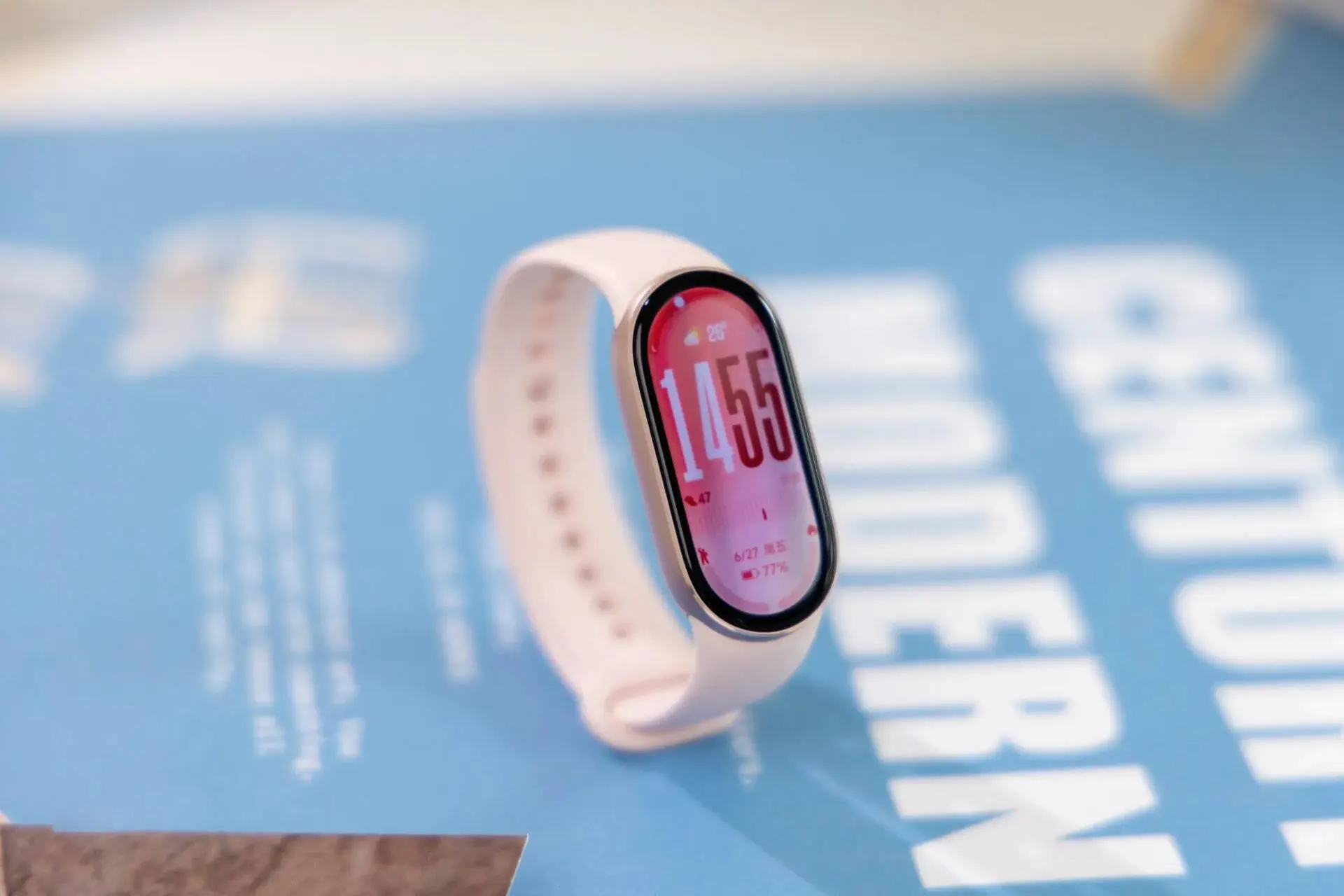
For the average user, this likely means the next Xiaomi Smart Band or Watch will be significantly less likely to tell you that you’ve walked 10,000 steps while you were actually just folding laundry.
Key points
- Scale of Innovation: The new 5,000-square-meter facility features 23 testing zones and medical-grade equipment.
- Accuracy Boosts: Reported improvements include 17% better calorie tracking and 15% more accurate VO₂ max readings.
- Sleep Science: Advanced sensors now detect sleep and wake times with 11% higher precision than previous models.
- Clinical Partnerships: Xiaomi is collaborating with top hospitals for research into heart health and sleep apnea.
- Global Standards: The lab holds certifications from international testing bodies like TÜV SÜD and SGS.
Popular News



Latest News
Loading