Xiaomi Gaming Mouse 2 Launches at 349 Yuan — 8,000Hz Polling and PAW3955XM for $48
Xiaomi NewsTuesday, 12 May 2026 at 09:15
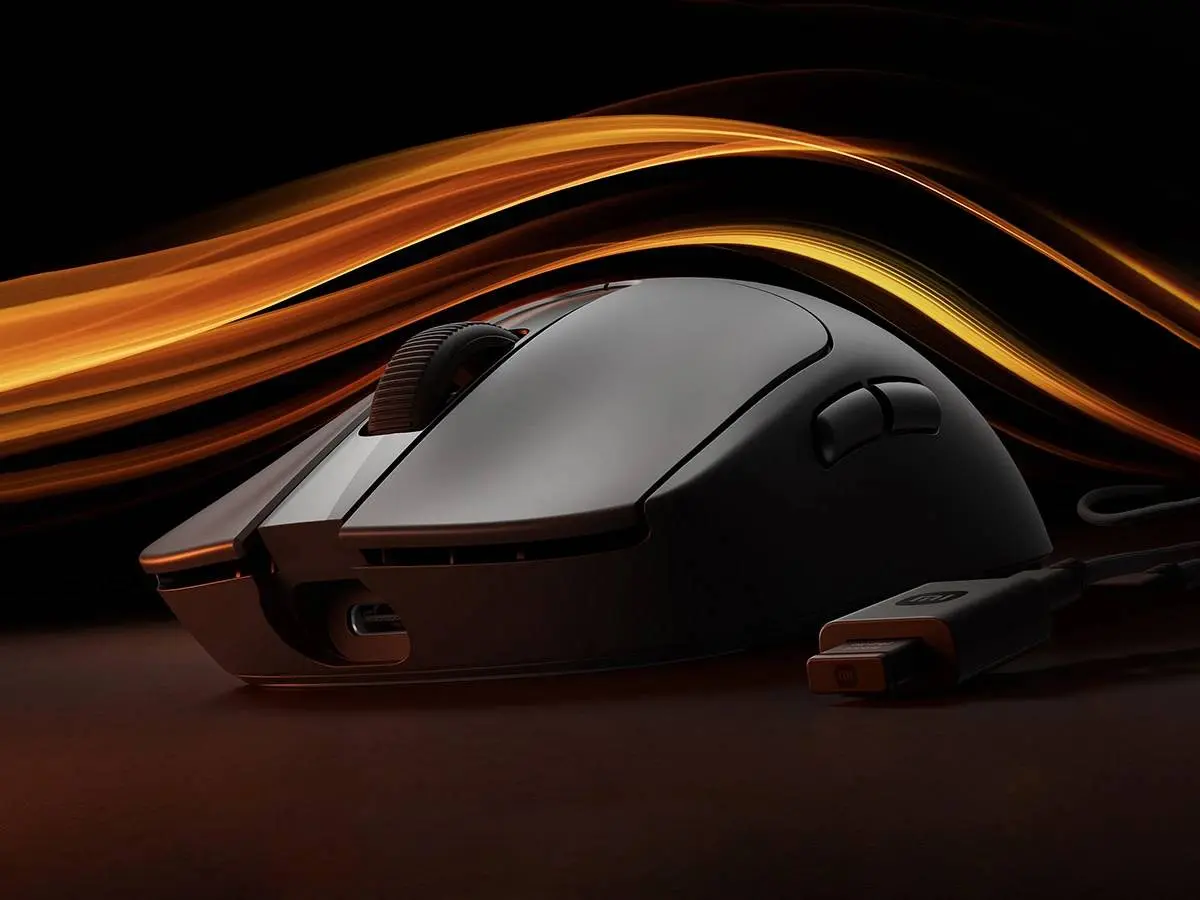
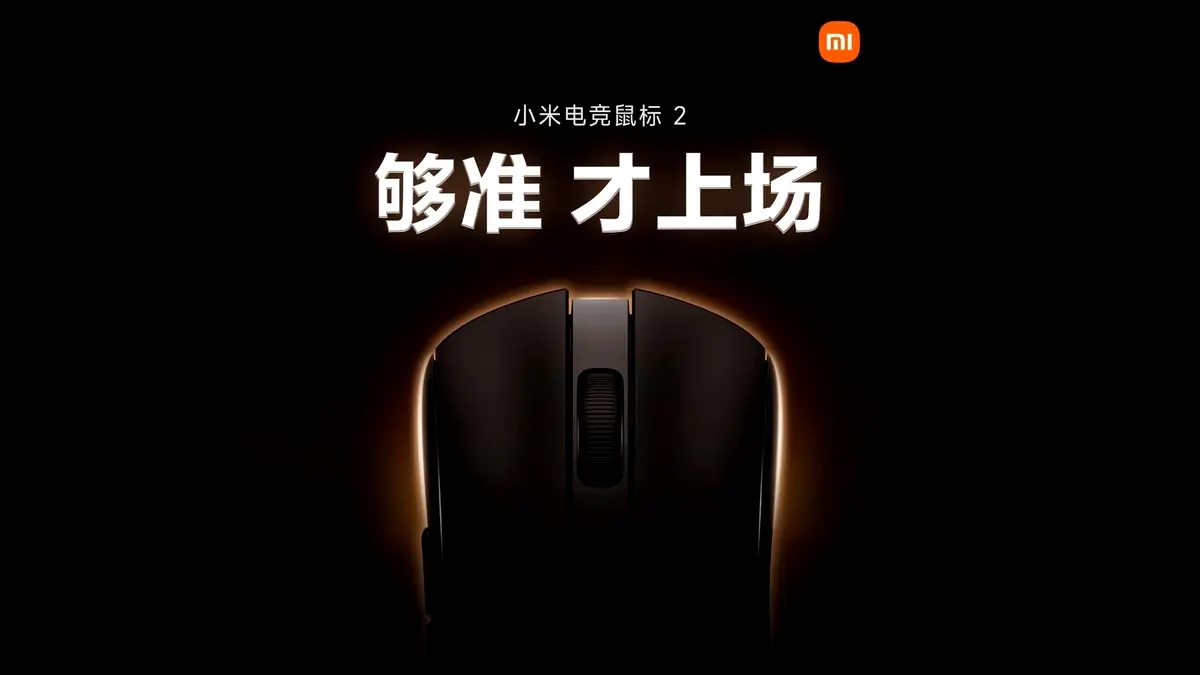
Xiaomi just listed the Gaming Mouse 2 on its Youpin crowdfunding platform. The crowdfunding price is 349 yuan (~$48). The retail price after the campaign is 399 yuan (~$55). For a mouse with the PixArt PAW3955XM sensor, 8,000Hz polling in both wired and wireless modes, and a 58-gram chassis — that's genuinely disruptive pricing.

Razer and Logitech charge $150+ for comparable specs. Xiaomi is at $48.
Key Points
- Xiaomi Gaming Mouse 2 listed on Youpin crowdfunding at 349 yuan (~$48) — retail price after campaign is 399 yuan (~$55), China-only launch with no global date confirmed
- PixArt PAW3955XM sensor with 40,000 DPI, 750 IPS tracking speed, and 60G acceleration — paired with Telink TL3228 dual-core RISC-V controller
- 8,000Hz polling rate in both wired and 2.4GHz wireless modes — Motion Sync technology aligns cursor data with monitor refresh cycles to eliminate micro-stuttering
- 58 grams with umbrella skeleton frame — ergonomic shell designed from competitive player grip data, supporting claw, fingertip, and palm grip styles equally
- 530mAh battery rated for 160 hours at 1,000Hz polling in 2.4GHz mode — TTC gold wheel encoder and TTC optical micro-switches, Bluetooth 6.1 tri-mode connectivity

The 8,000Hz Polling Is the Headline Spec
Standard gaming mice poll at 1,000Hz — reporting position to the PC 1,000 times per second. The Gaming Mouse 2 does it 8,000 times per second in both wired and wireless modes. At 8,000Hz, the time between position updates drops to 0.125 milliseconds. In fast-paced FPS games where cursor position during a flick shot determines whether you hit or miss, that gap is meaningful at a competitive level.
Most mice offering 8,000Hz polling only do so over a wired connection — the wireless implementation here, maintaining 8,000Hz over 2.4GHz, is the technically demanding achievement. The Telink TL3228 controller's dual-core RISC-V architecture handles the wireless data throughput without the latency penalty that previously made high-Hz wireless impractical.
Motion Sync adds one more layer — synchronising sensor data transfers with monitor refresh cycles so cursor movement appears perfectly consistent frame to frame rather than micro-stuttering between polling intervals.
The PAW3955XM at This Price
The PixArt PAW3955XM is a flagship-tier sensor. It appears in mice from VXE, Darmoshark, and other Chinese performance brands at $40-$60. It appears in comparable form in Razer and Logitech flagships at $150+. Xiaomi offering it at $48 crowdfunding — with 1% factory DPI calibration and zero hardware acceleration — undercuts everyone.
The 750 IPS tracking speed means the sensor never loses the surface during fast movements. The 60G acceleration ceiling exceeds what any human hand can actually generate. In practical terms: the hardware is never the bottleneck, regardless of how aggressively you play.
Lightweight Without Being Fragile
Fifty-eight grams puts the Gaming Mouse 2 among the lightest wired-and-wireless mice currently available. The umbrella skeleton internal frame distributes structural load across the chassis — achieving the balanced 1:1 front-to-rear weight ratio that prevents the nose-heavy feel that afflicts many ultralight designs.
The TTC optical micro-switches provide tactile click feedback without the travel inconsistency of mechanical alternatives. TTC gold wheel encoder ensures the scroll wheel registers cleanly without the false inputs that cheap encoders generate during rapid scrolling.
At 160 hours of battery life at 1,000Hz, the 530mAh cell is practical rather than just specced. Drop to 4,000Hz and the figure rises further. Even at maximum 8,000Hz polling, real-world battery life should comfortably exceed a full gaming week between charges.
Popular News


Latest News
Loading