Snapdragon 8 Elite Gen 6 Pro May Cost Over $300 — Pushing Ultra Phones Even Higher
qualcommTuesday, 12 May 2026 at 09:26
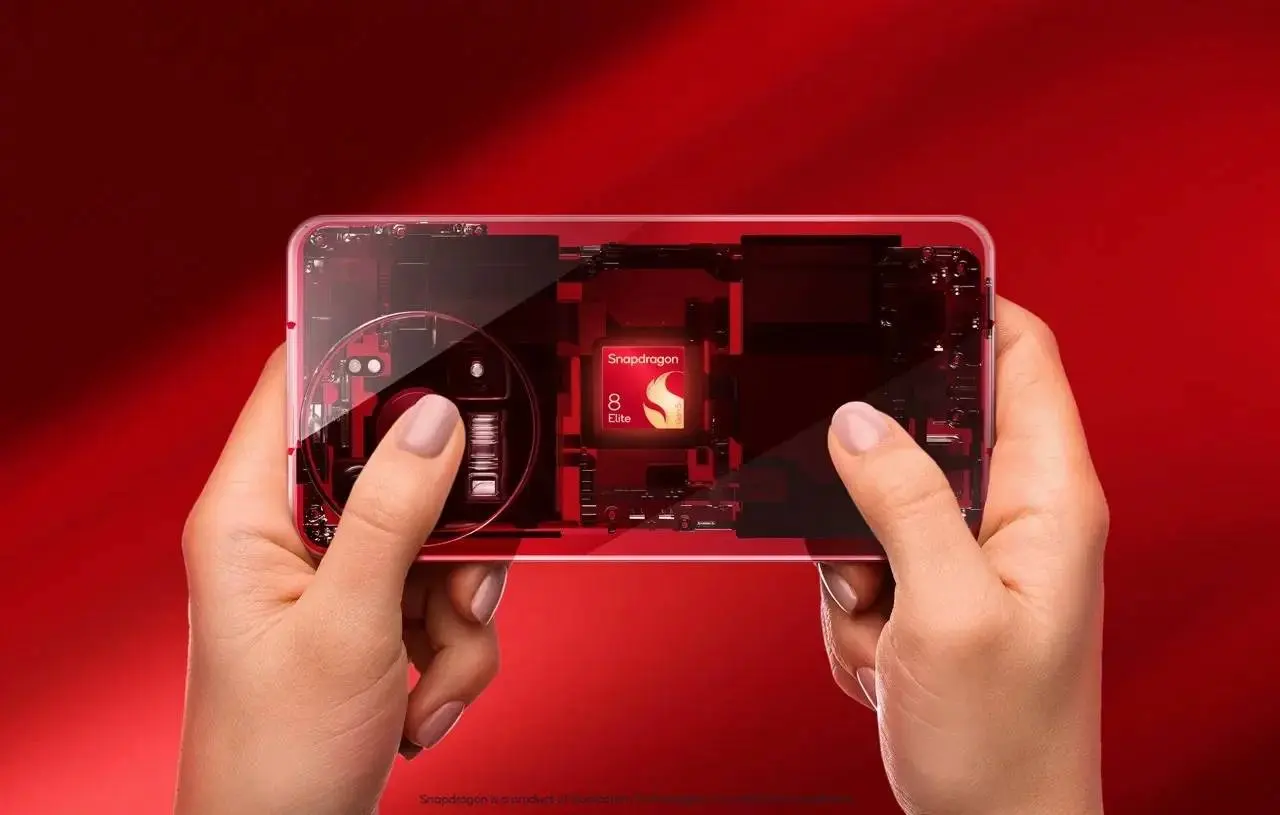
Qualcomm is heading into a pricing problem of its own making. The Snapdragon 8 Elite Gen 6 Pro — the SM8975 variant built on TSMC's 2nm N2P process — is expected to cost manufacturers over $300 per unit. Some estimates push that to $320. For context, the current Snapdragon 8 Elite Gen 5 runs around $280. The jump isn't incremental. It's structural.
The culprit is silicon. A single 2nm wafer from TSMC costs approximately $30,000 — nearly double the price of current 3nm production.
Key Points
- Snapdragon 8 Elite Gen 6 Pro (SM8975) expected to exceed $300 per unit — some estimates reach $320 — driven by TSMC's 2nm N2P process costing $30,000 per wafer
- Dual-chip strategy confirmed: standard Snapdragon 8 Elite Gen 6 (SM8950) for mainstream flagships, Pro variant reserved for Ultra-tier devices only
- Pro variant exclusively supports LPDDR6 RAM and UFS 5.0 — standard model sticks with LPDDR5X, creating a clear performance and cost tier between the two
- Pro gets Adreno 850 GPU with 18MB GMEM — standard ships with Adreno 845 and 12MB GMEM, both on 2nm but with meaningfully different graphics capability
- Top five Android OEMs confirmed adopting the Pro for their Ultra flagships — smaller brands expected to shift toward MediaTek Dimensity 9600 to avoid the cost

Why $300+ Is a Structural Problem, Not Just a Price Increase
At $300+ per chipset, the processor alone consumes nearly a third of the total manufacturing budget for a high-end flagship. That's before display, cameras, battery, RAM, storage, and the chassis. OEMs using the Pro variant face a stark choice: absorb the cost and raise retail prices, or cut spending elsewhere on other hardware.
The memory crisis compounds this. DRAM prices have risen 70% and NAND flash prices 100% over the past year. A phone using the Snapdragon 8 Elite Gen 6 Pro with LPDDR6 RAM faces a bill of materials that makes sub-$1,500 Ultra pricing genuinely difficult. The Ultra flagships of late 2026 and early 2027 will cost more than any generation before them — and the chipset pricing is the primary driver.

Standard vs Pro — The Gap Is Significant
This is Qualcomm's first deliberate market segmentation at the chipset level, mirroring Apple's approach with the A-series chips. The standard SM8950 and the Pro SM8975 share the same 2nm node and the same basic Oryon CPU architecture — but the gap elsewhere is real.
Standard: Adreno 845 GPU with 12MB GMEM, LPDDR5X memory, 16MB L2 cache. Pro: Adreno 850 with 18MB GMEM, LPDDR6 memory, 8MB LLC cache on top of L2. The GPU gap alone is meaningful for gaming and AI inference workloads. LPDDR6's bandwidth advantage over LPDDR5X translates to faster on-device AI processing and smoother high-resolution gaming.
The standard isn't a budget chip. It's a very fast chip designed for competitive flagship pricing. The Pro is a showpiece — designed to justify $1,400+ retail prices and compete directly against Apple's A20 Pro.

Who Gets the Pro — and Who Doesn't
Top five Android OEMs — Samsung, Xiaomi, OPPO, vivo, and Honor — are confirmed to be adopting the Pro for their Ultra or top-tier models. The devices arriving with it read like a Q4 2026 Ultra list: Galaxy S27 Ultra, Xiaomi 18 Ultra, OPPO Find X10 Pro Max, and similar flagships.
Brands outside that top five face a genuine calculus: pay $300+ for a chip that squeezes their margins, or switch to MediaTek's Dimensity 9600 — similarly built on 2nm but without Qualcomm's premium pricing. Expect the Dimensity 9600 adoption to accelerate significantly among mid-tier Android OEMs in 2026 as a direct result.
One caveat worth noting: Weibo tipster Smart Chip Insider disputes whether the pricing estimates are accurate, suggesting the Snapdragon 8 Elite Gen 5's $280 figure is itself overstated. The final numbers depend on volume contracts and individual OEM negotiations. But the directional trend — higher chip costs flowing directly into higher retail prices for Ultra flagships — is not seriously disputed by anyone close to the supply chain.
Popular News


Latest News
Loading