For years, the relationship between Samsung and Qualcomm has been "complicated." After the overheating disasters of the Snapdragon 8 Gen 1, Qualcomm packed its bags and moved exclusively to TSMC. But in the world of semiconductors, grudges are expensive. With TSMC’s 2nm wafers rumored to cost a staggering $30,000 each, Qualcomm is suddenly looking at Samsung's "Taylor" plant in Texas with fresh eyes.

Key Points:
- Qualcomm is reportedly considering a return to Samsung Foundry for 2nm Snapdragon chips.
- Samsung’s Taylor, Texas plant is being upgraded to 2nm to meet U.S. domestic demand.
- TSMC's 2nm wafer prices are expected to hit $30,000, making Samsung a cheaper alternative.
- Samsung has already secured a $16 billion AI chip deal with Tesla for the Taylor facility.
- The Snapdragon 8 Elite Gen 5 "for Galaxy" may be the first 2nm test case for this reunion.
The 2nm Flip: Why Samsung Has the Edge
Samsung isn't just catching up; they are trying to leapfrog. The company recently announced the Exynos 2600, the world's first smartphone chip built on a 2nm GAA (Gate-All-Around) process. While the tech world is skeptical of Exynos, the foundry tech behind it is no joke.

By upgrading its Taylor, Texas facility to 2nm, Samsung is offering something TSMC currently can't: a cutting-edge, 2nm production line on U.S. soil. This is a massive "anchor" for companies like Tesla, who just signed a $16 billion deal for AI chips, and it’s the exact reason Qualcomm CEO Cristiano Amon is reportedly considering a "dual-sourcing" strategy again.
The Snapdragon "For Galaxy" Plot Twist
Rumors suggest we won't have to wait for the S27 to see this partnership in action. There is heavy talk that the Snapdragon 8 Elite Gen 5 "for Galaxy"—the special overclocked version used in Samsung’s flagships—could be manufactured by Samsung Foundry on their 2nm node as early as mid-2026.
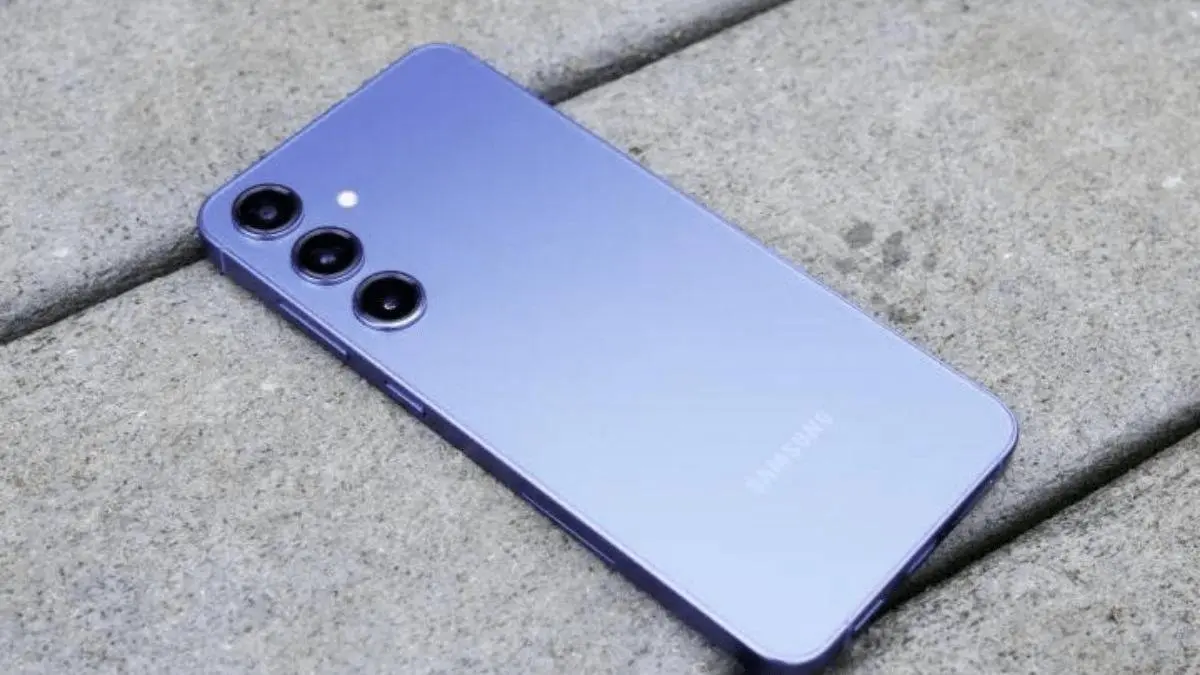
This would be a win-win. Qualcomm saves a fortune on manufacturing costs compared to TSMC's "monopoly" prices, and Samsung gets to prove that its 2nm yields are finally stable enough for the big leagues.
The Money Move
TSMC is "suffering from success." Their lines are so booked by Apple and NVIDIA that they can basically charge whatever they want. Samsung, meanwhile, has reportedly slashed its 2nm wafer prices by 33% to lure clients back. If the Exynos 2600 launches in the Galaxy S26 without the traditional "overheating" headlines, expect Qualcomm—and maybe even MediaTek—to sign on the dotted line.
Popular News



Latest News
Loading