Xiaomi's Supermoon Mode Just Turned the Sun Into the Moon!
Xiaomi NewsSunday, 16 August 2026 at 10:35
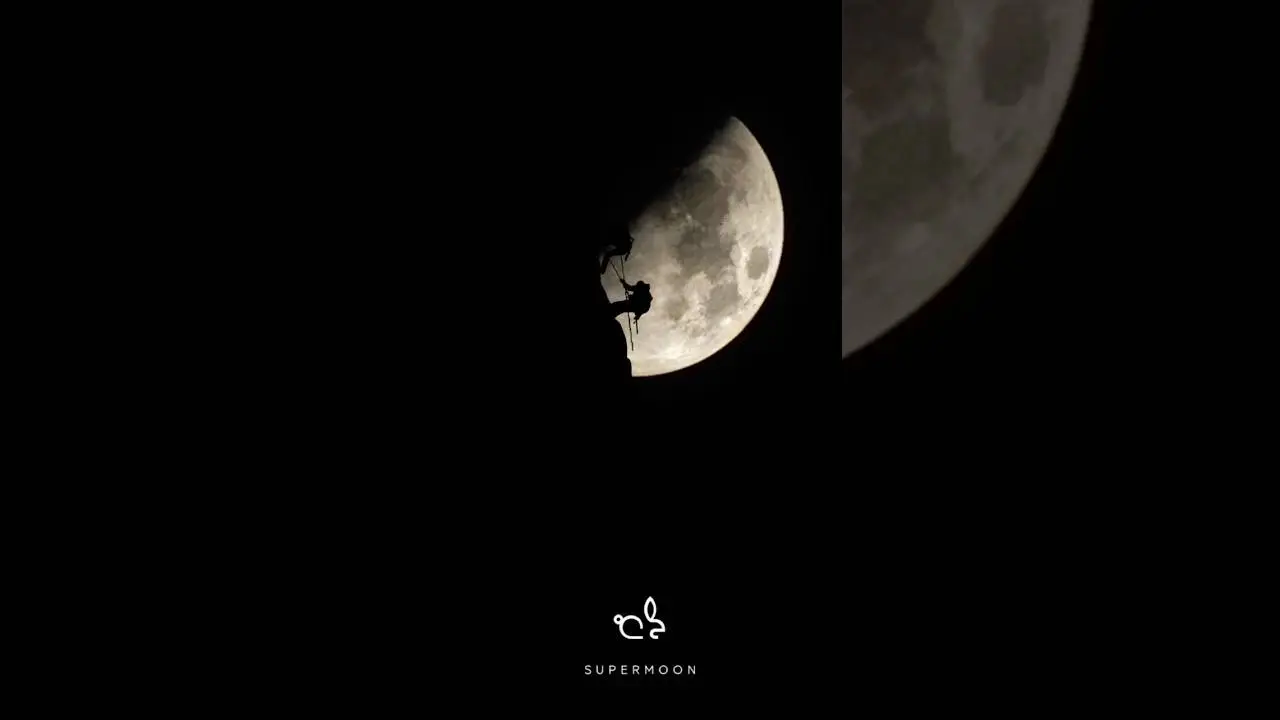
AI camera features can make smartphone photos look better, but sometimes they go a little too far. Xiaomi users found that out during the August 12 solar eclipse, when the company's Supermoon mode reportedly mistook the Sun for the Moon. The result? Some photos of the eclipse suddenly had lunar textures that were never there in the first place.
Yes, you read that right. Xiaomi's camera software looked at the Sun, decided it was the Moon and added details to make it look more like one. My dear Xiaomi... why?
Xiaomi's camera got a little confused
The problem appears to come from the way Supermoon mode works. Xiaomi designed the feature to help users take better photos of the Moon at high zoom levels. The camera uses scene detection and extra processing when it believes the Moon is in the frame. Xiaomi's own support page confirms that Supermoon is a dedicated camera mode with zoom levels that can reach up to 60x on some phones.

Here's the thing, though. During the eclipse, the software seems to have seen a bright round object in the sky and decided it must be the Moon. It then added lunar surface details to the image, turning parts of the Sun into something that looked much more like our nearest neighbor.
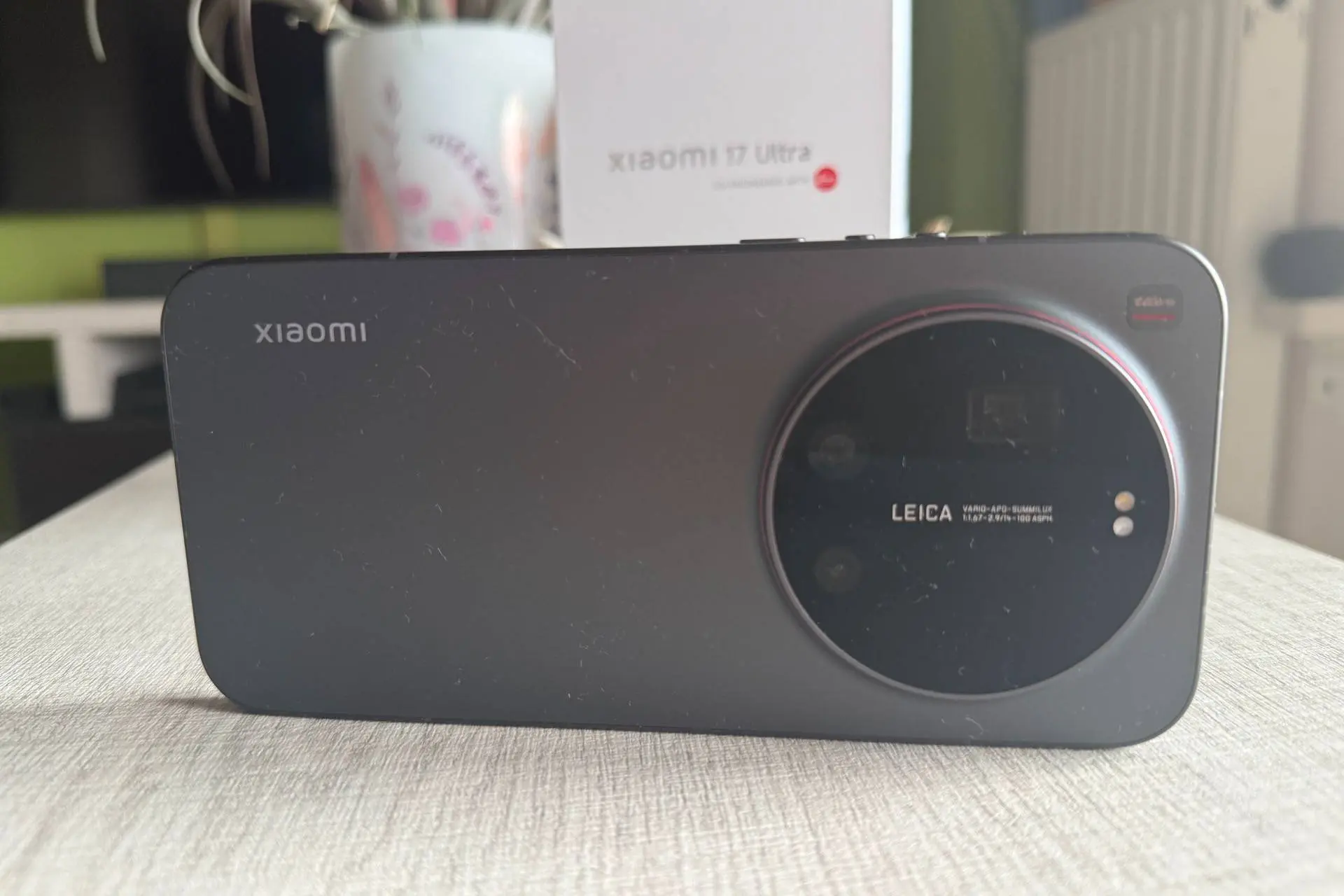
The issue was seen on the Xiaomi 17 Ultra, according to reports from users and a wider camera comparison made during the eclipse. Turning off Supermoon mode stopped the strange effect, which makes it pretty clear where the extra details were coming from.
To be honest, the result is quite funny. But it also brings back a much bigger question about smartphone cameras.
When does enhancement become fake?
Modern phones already do a huge amount of work after you press the shutter button. HDR combines several shots, night modes brighten dark scenes and AI can remove noise or bring back detail. Most of us are fine with that because the goal is still to create a better version of what the camera actually saw.
Adding Moon textures to the Sun feels different.
If the software is creating details that were never captured by the camera, then we're no longer talking about normal image processing. The phone is starting to decide what the photo should look like instead of showing what was really there.

And Xiaomi isn't the first company to face this debate. Samsung has been criticized for years over the way its Galaxy phones process Moon photos, with questions about how much detail comes from the camera and how much is added by software. Xiaomi's mistake during the eclipse gives us a much easier way to see the problem because, well, the Sun clearly isn't the Moon.
AI cameras need to know when to stop
I don't have a problem with AI helping smartphone cameras. In fact, much of the reason phones can take such good photos today is because software works around the limits of those tiny sensors and lenses.
But there should be a line between enhancing a photo and inventing one.
Xiaomi's Supermoon mode crossed that line here, even if it happened by mistake. The software was so sure it knew what the camera was looking at that it added details that simply didn't exist.
The good news is that users can avoid the problem by turning Supermoon mode off. Still, I think this little mistake tells us something important about the future of phone cameras. As AI becomes more involved in every photo we take, we may soon have to ask a very simple question more often: did my camera actually capture this?
Popular News
Latest News
Loading