Let me be honest with you: I've been using smartphones since the Philips Twist and Nokia 3310 days, and back then, nobody talked about radiation. We were too busy playing Snake and feeling cool with our monochrome screens. Fast forward to 2026, and here we are – AI phones glued to our faces for hours, streaming videos, taking endless calls, sleeping with them on our nightstands. The conversation around mobile phone radiation isn't just some conspiracy theory anymore. It's real, measurable, and honestly? The numbers might surprise you.
The SAR (Specific Absorption Rate) index tells us exactly how much electromagnetic energy our bodies soak up when we're scrolling through Instagram or chatting with friends. And here's what blows my mind: two phones sitting on the same shelf can have wildly different radiation levels. We're talking 10x differences sometimes. So yeah, it matters which one you pick.
Understanding SAR: Let's Cut Through the Technical Jargon
SAR gets measured in watts per kilogram (W/kg). Think of it like this: if you're heating up leftovers in a microwave, different foods absorb heat at different rates. Your body does the same thing with radio waves from your phone.
The European Union – including Greece where I'm based – has set these limits:
- 2 W/kg maximum for your head (they test this on 10 grams of tissue)
- 0.08 W/kg for your entire body
- 4 W/kg for hands and feet
Meanwhile, across the Atlantic, the FCC in America went with 1.6 W/kg for the head, but they measure it over just 1 gram. Different methods, same goal: keep us safe.
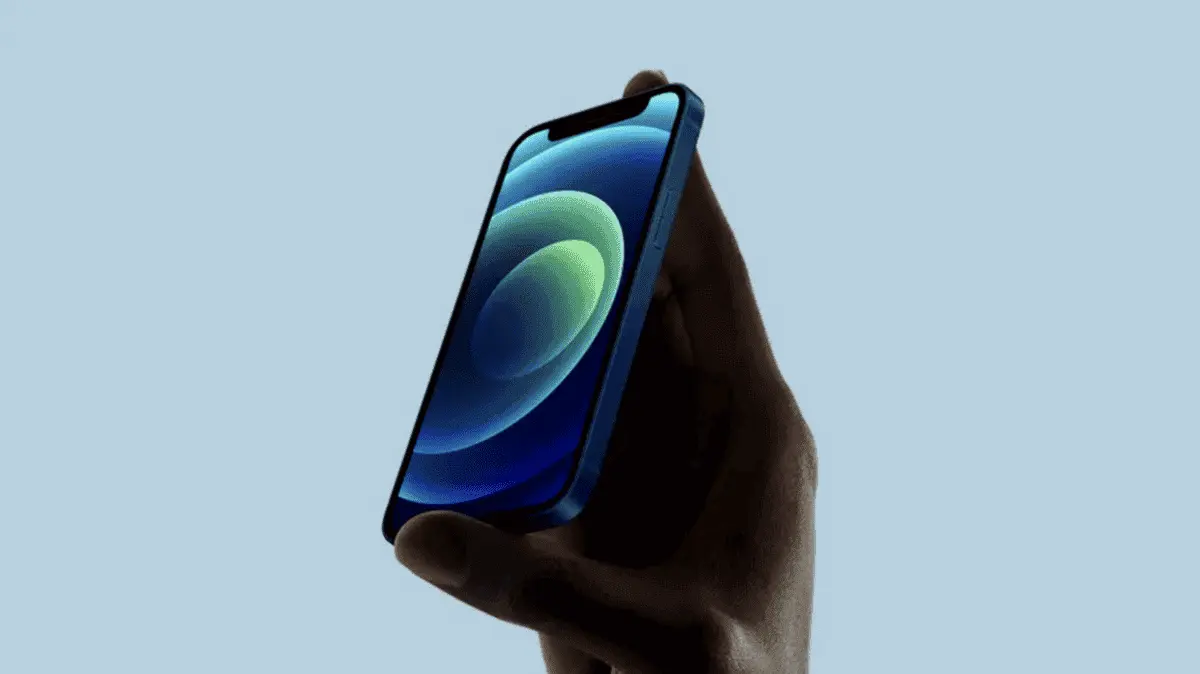
Here's What They Don't Tell You
Those SAR numbers on spec sheets? They're worst-case scenarios. Your phone cranked up to maximum power, blasting away like it's trying to reach a cell tower on Mars. In everyday life, especially when you've got decent signal, emissions run much lower.
But – and this is a big but – there's a problem. These tests happen with the phone held 5-15mm away from your body. Why? Because when they wrote these rules in 1996, people carried phones in belt clips and holsters. Remember those? Now we press phones directly against our heads, stuff them in tight jeans pockets, keep them in shirt pockets right over our hearts. The actual exposure you're getting? Probably higher than what the manufacturer tested.
The 30 Champions: Phones That Go Easy on Your Body
I've gone through the latest data, checked the measurements, cross-referenced multiple sources. Here are the phones emitting the least radiation as of February 2026:

The Top 10 Low-Radiation Heroes
- ZTE Blade V10 – 0.13 W/kg (seriously impressive)
- Samsung Galaxy Note 8 – 0.17 W/kg
- ZTE Axon Elite – 0.17 W/kg
- Samsung Galaxy S23 – 0.16 W/kg
- Samsung Galaxy Note 10 – 0.19 W/kg
- Samsung Galaxy S10 Plus – 0.26 W/kg
- Nokia C21 Plus – 0.40 W/kg
- Motorola One Fusion – 0.40 W/kg
- Samsung Galaxy A20s – 0.35 W/kg
- LG V60 ThinQ 5G – 0.35 W/kg
Notice something? Samsung absolutely dominates this list. They've got 11 phones in the top 30. That's not an accident.
Why Samsung Wins (And It's Actually Pretty Clever)
There's an interesting backstory here. Back in 2003, the FCC changed their rules about phone antennas. Before that, manufacturers had to use omnidirectional antennas – basically broadcasting in all directions like a lighthouse. Three years later, Samsung's engineers got creative. They designed antennas that beam most of the radio signal away from the user's head.
Now, does this mean the radiation vanishes? No. It's still there, just pointed elsewhere. Imagine holding a flashlight – you can aim the beam at the wall instead of your face. The light doesn't disappear; you've just redirected it. That's essentially what Samsung did, and it slashed their SAR test results.
What About the Newest Flagships?
Let's talk about the phones people are actually buying in 2026.

Samsung Galaxy S25 Lineup
The S25 series dropped in January 2026, and here's where they landed:
- Galaxy S25: 1.12 W/kg (head), 0.73 W/kg (body)
- Galaxy S25 Plus: 1.20 W/kg (head), 0.97 W/kg (body)
- Galaxy S25 Ultra: 1.00 W/kg (head), 0.82 W/kg (body)
Something interesting happened with these models. Samsung moved the main antenna lower, closer to the bottom of the phone. Great news for your brain – those head SAR numbers dropped. Not-so-great news? Now it's sitting closer to your throat and thyroid gland. You're trading one type of exposure for another. Whether that's better or worse, well, that's still being debated.

Apple iPhone 16 Series
Apple's never been known for low SAR ratings, and the iPhone 16 continues that tradition:
- iPhone 16: 1.08 W/kg (head), 1.17 W/kg (body)
- iPhone 16 Pro: 1.09 W/kg (head)
- iPhone 16 Pro Max: 1.01 W/kg (head)
These numbers aren't terrible – they're within legal limits everywhere. But compared to that ZTE Blade V10 at 0.13 W/kg? It's roughly 8 times higher. Some older iPhones, particularly the iPhone 12, got banned in certain European countries for exceeding radiation limits. Apple eventually issued software updates that reduced transmission power to comply.

Google Pixel 9 Drama
The Pixel 9 situation is... complicated. Google's official numbers look decent:
- Pixel 9: 0.87 W/kg (head)
- Pixel 9 Pro XL: 0.92 W/kg (head)
But here's where it gets messy. An independent watchdog group called Phonegate Alert ran their own tests. They measured the phones in actual contact with the body – not held away at testing distance. Their results? Over 2 W/kg in some scenarios, which would violate EU safety limits.
Google's own website has this weird disclaimer: "Use your smartphone sparingly, use headphones, and choose devices with lower SAR." Wait, what? You're selling me this phone while simultaneously telling me to use it less and maybe buy something else? That feels like a car manufacturer saying "drive carefully, our airbags might not work."
The Secret Code: Check Your Phone's SAR Right Now
Want to know your current phone's radiation level? Takes about 10 seconds:
- Open your phone dialer (like you're making a call)
- Type exactly this: *#07#
- Hit the call button
Boom. Up pops a screen showing your SAR values for head and body exposure. Works on most Android phones and some iPhones. No downloads, no apps, just a simple code. I tried this on my Galaxy S23 last week and was pleasantly surprised – 0.16 W/kg. Pretty good.
The Real Story: What Actually Affects Your Radiation Exposure
Here's what I've learned testing phones and reading studies: the SAR number on the spec sheet matters, sure. But your actual radiation exposure depends way more on how you use the device.
Signal Strength Changes Everything
Your phone is basically always trying to talk to the nearest cell tower. Strong signal? It whispers. Weak signal? It screams.
I tested this myself. In my apartment with full bars, my phone barely radiates anything during calls. Take that same phone into a parking garage or elevator, where signal drops to one bar? The radiation output jumps dramatically. We're talking potentially 5-10x higher emissions.
This means a phone with 0.20 W/kg SAR in good signal could temporarily spike to 1.50 W/kg or more when you're in a dead zone. That cheap phone with "low SAR" isn't doing you favors if you live in an area with poor coverage.

Distance is Your Friend (Seriously)
Physics has this concept called the inverse square law. Radiation intensity drops exponentially as you move away from the source. Double the distance, get one-fourth the exposure.
Real example: Phone held directly against your head = 2 W/kg. Move it 10cm away (roughly 4 inches)? Now you're down to 0.50 W/kg. That's a 75% reduction just from a few inches of air.
This is why hands-free calling makes such a huge difference. Bluetooth headphones, wired earbuds, speakerphone – all of these massively cut your exposure. I've gotten into the habit of using my car's Bluetooth for every call. Yeah, I might look like I'm talking to myself, but my brain appreciates it.
The Wi-Fi + Cellular Double
Most people don't realize this: when your phone uses cellular data AND Wi-Fi simultaneously, radiation levels spike significantly.
Check out these numbers from recent tests:
- Samsung Galaxy S25: 1.12 W/kg (cellular only) jumps to 1.35 W/kg (cellular + Wi-Fi)
- iPhone 16: 1.08 W/kg shoots up to 1.49 W/kg with both active
- Pixel 9: 0.87 W/kg climbs to 1.59 W/kg
Add Bluetooth into the mix and you're running three radio transmitters simultaneously. During phone calls, I now turn off Wi-Fi. Sounds paranoid maybe, but the numbers don't lie.
For the Apple Loyalists: Best Low-SAR iPhones
Look, I get it. Some people are locked into the Apple ecosystem. If that's you, here are your best options for minimizing radiation:
- iPhone 13 Mini – 0.68 W/kg (the winner)
- iPhone SE (2020) – 0.79 W/kg
- iPhone XR – 0.99 W/kg
- iPhone 16 Pro Max – 1.01 W/kg
- iPhone 12 Mini – 1.08 W/kg
Most other iPhones hover between 1.10 and 1.50 W/kg. Still legal, still safe according to current standards, but noticeably higher than competitors.

Google Pixel Complete Rankings
For you Android purists who love stock Google experience:
- Pixel XL – 0.56 W/kg (fantastic)
- Pixel (original) – 0.80 W/kg
- Pixel 9 – 0.87 W/kg
- Pixel 2 – 1.14 W/kg
- Pixel 3a XL – 1.16 W/kg
- Pixel 5a – 1.16 W/kg
- Pixel 7 Pro – 1.17 W/kg
- Pixel 7 – 1.19 W/kg
- Pixel 4 – 1.20 W/kg
- Pixel 6a – 1.58 W/kg
- Pixel 7a – 1.58 W/kg
The newer Pixels look good on paper, but remember those Phonegate Alert concerns I mentioned earlier.
Practical Steps I Actually Use
Forget theory for a minute. Here's what I personally do to reduce radiation exposure:
During calls: Always speakerphone or Bluetooth headphones. Always. Even if I'm walking down the street looking like I'm talking to invisible friends.
At night: Phone goes on airplane mode or stays at least 3 feet from my bed. Used to charge it on my nightstand. Not anymore.
In bad signal areas: I wait. That urgent call in the basement parking garage? It can wait 30 seconds until I'm back in good coverage.
Texting over calling: Whenever possible. Texting uses way less power than voice calls.
Pocket placement: Never in shirt pockets over my heart. Usually in my bag or on my desk.
Kids: My son isn't allowed to hold phones directly to his head. Speakerphone only. Children's skulls are thinner and their brains are still developing – they absorb significantly more radiation than adults.

The Uncomfortable Truth About Safety Standards
Time for some real talk. The SAR standards we use today were written in 1996. Think about that. Bill Clinton was president. The Spice Girls topped the charts. The average phone made calls and played Snake. That's it.
Today's smartphones simultaneously transmit on:
- 4G or 5G cellular networks
- Wi-Fi (often Wi-Fi 6 or 7)
- Bluetooth
- NFC for payments
- GPS for location
And we're still using safety standards based on single-function devices held away from the body.
In January 2026, something interesting happened. The US FDA quietly removed web pages that claimed "current evidence shows cell phone radiation is safe." They replaced it with more neutral language and announced new long-term studies. That's... telling.
Back in 2021, environmental lawyer Robert F. Kennedy Jr. and the Environmental Health Trust actually won a federal lawsuit against the FCC. The court ruled that the FCC had ignored thousands of scientific studies showing non-thermal biological effects from wireless radiation. The court ordered new regulations.
Three years later? Nothing's changed. The regulations remain frozen in 1996.
I'm not here to be alarmist. I use a smartphone every day. But I do think it's reasonable to take basic precautions while scientists continue studying long-term effects.
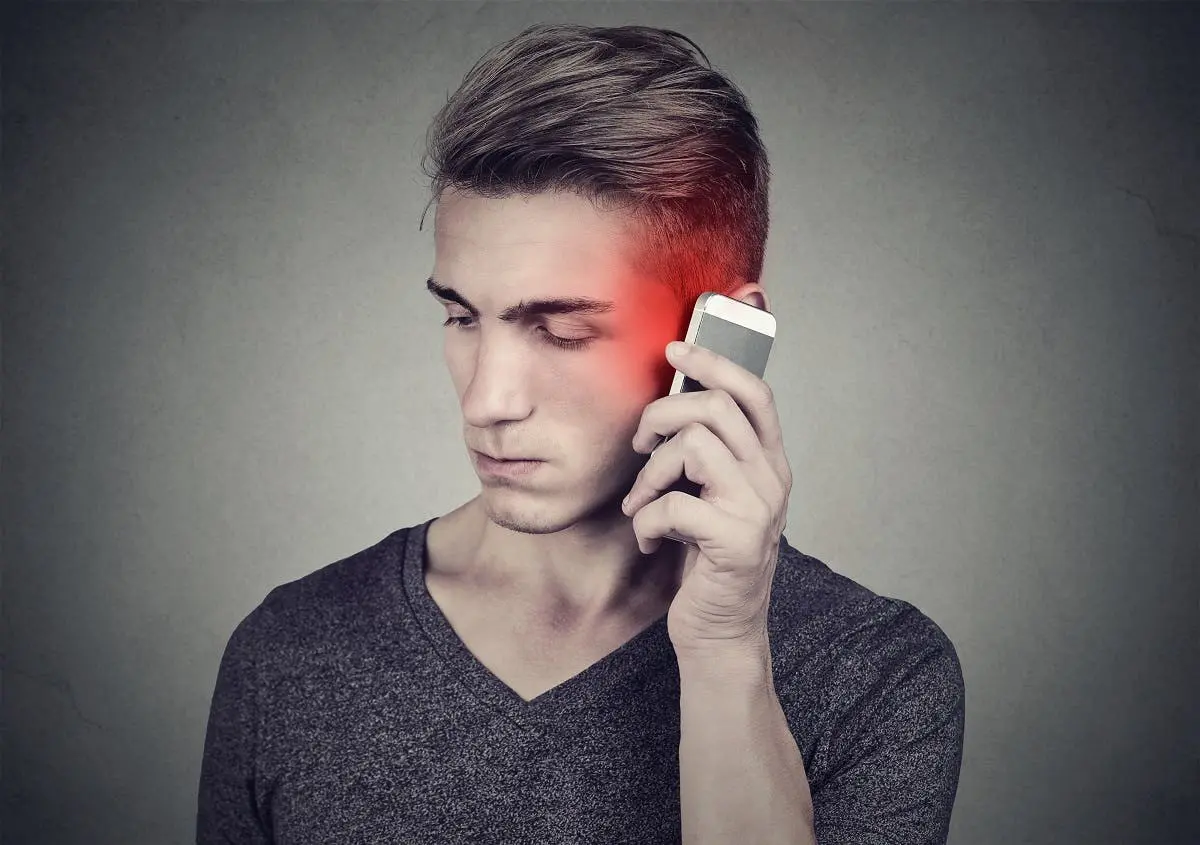
My Take After Researching All This
SAR ratings give you a useful comparison point when shopping for phones. That ZTE Blade V10 at 0.13 W/kg genuinely emits less radiation than an iPhone 16 at 1.08 W/kg. That's just physics.
But obsessing over getting the absolute lowest SAR phone while then pressing it against your head for hour-long calls in poor signal? You've missed the point.
If I were buying a new phone tomorrow prioritizing low radiation:
- Best overall: Samsung Galaxy S23 (0.16 W/kg, great specs, widely available)
- Budget option: Nokia C21 Plus (0.40 W/kg, cheap, reliable)
- If you need iPhone: iPhone 13 Mini (0.68 W/kg, still available refurbished)
- Best new flagship: Samsung Galaxy S25 Ultra (1.00 W/kg, powerful, reasonable SAR)
Then I'd change my habits: hands-free calling, phone away from body at night, avoid long calls in bad signal.
Final Thoughts
Your smartphone won't kill you. Current evidence doesn't support that level of panic. But do we know with absolute certainty that decades of exposure to electromagnetic fields has zero health effects? No, we don't. The science is still evolving.
What we do know: radiation from phones is real, measurable, and varies wildly between models and usage patterns. You can choose lower-emitting devices. You can adopt habits that reduce exposure by 80-90% with minimal lifestyle changes.
In 2026, we have better information than ever before. Manufacturers are finally publishing SAR data clearly. Independent testing is happening. Consumers are asking questions.
Whether you pick up that Samsung with 0.16 W/kg or stick with your iPhone at 1.08 W/kg, at least now you're making an informed choice. And honestly? That's all any of us can do.
Stay safe out there. And maybe use speakerphone more often.
Popular News
Latest News
Loading