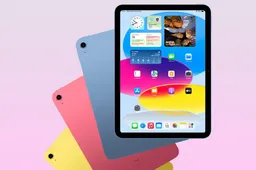
In the past few years, tablet screens have kept
growing. It’s no longer strange to see tablets with screens over 12 inches.
Samsung’s Galaxy Tab S9 Ultra measures 14.6
inches. Apple’s iPad Pro comes in 12.9 inches, and rumors point to even larger
versions soon.
Lenovo’s Yoga Tab 13 and Huawei’s MatePad Pro
13.2 also push the size limit.
Most brands frame these big screens as
productivity boosters. They claim more room for apps, better for split-screen,
and great for media.
On paper, the idea feels right but does size
always mean better use?
The daily use struggle
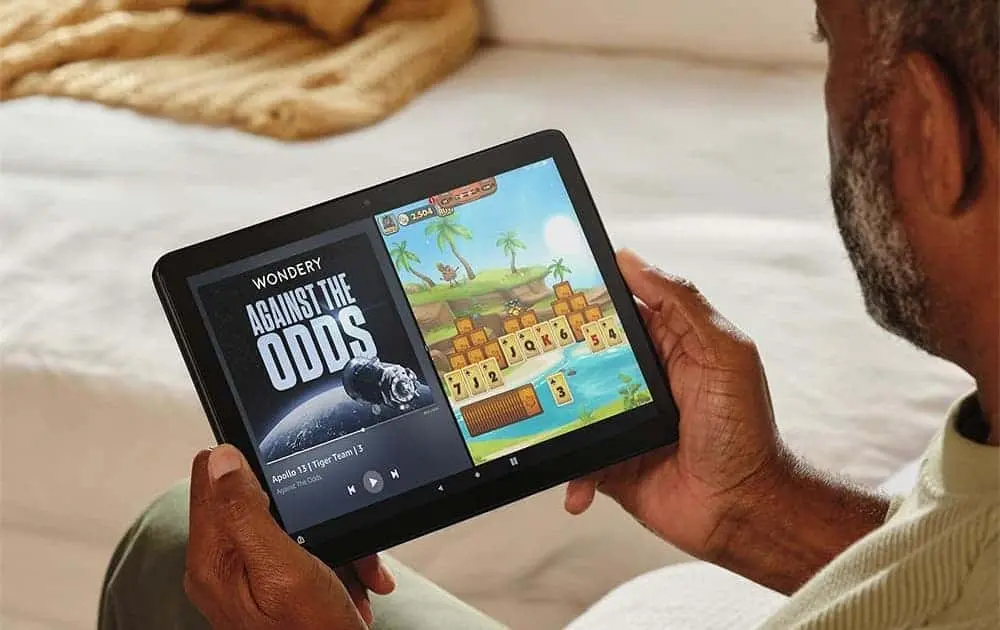
Holding a large
tablet for long is tough. Try reading on a Galaxy Tab S9 Ultra in bed without
your arm getting tired? It’s a workout.
Even propped up, its size can make it awkward in
tight spaces like buses or small desks.
The iPad Pro 12.9 is
lighter than you’d expect, but still not comfortable for long handheld use.
After a while, you look for a stand or case with
a kickstand. That’s fine at home, but limits use on the move.
Read also
Too much for some, not enough for others
A plus-size tablet
gives you more screen for drawing, editing, or watching films. But for many, it
still falls short as a laptop replacement.
Even with a keyboard cover, the typing experience
can feel cramped compared to a proper laptop.
You also hit
software limits. iPadOS is better now, but it still doesn’t offer full
desktop-level multitasking.

Samsung’s DeX mode tries, yet not every Android
app plays nicely in desktop mode. It’s a strange middle ground: too big to use
like a regular tablet, not full enough to replace your laptop.
The flex factor
Some buyers like
the wow factor. A 14-inch tablet on a coffee shop table turns heads. It’s a
tech flex, no doubt, and people will notice. It looks serious and tells others
that you care about gear.
But once the first
“wow” wears off, you still face the same daily limits. Carrying it around is
less fun than showing it off. If you travel light, it can feel like more bulk
than you need.
When big makes sense but small still wins
Not everyone
struggles with size. Artists love big tablets for detailed work. Architects and
designers can use the space for sketches and plans. Watching movies on a huge
tablet in bed can feel better than on a small TV.
If you often keep
your tablet on a desk or stand, the extra inches work well. You don’t notice
the weight. For these users, big tablets can feel like a good investment.

But, if all you do is swift browsing, casual
reading, and note-taking, it makes more sense to go for smaller tablets
The iPad mini or Galaxy Tab S9 FE gives comfort
and portability. You can hold them longer, fit them in small bags, and use them
anywhere without looking for a stand.
If you mostly use
your tablet away from home, smaller may still be the smarter choice. Plus-size
tablets often demand a case, stand, or keyboard, adding even more to carry.
Read also
The middle ground
Some people solve
the problem by skipping tablets and going for thin, light laptops. A MacBook
Air or Galaxy Book Pro gives a big screen, a real keyboard, and a proper desktop
OS. You lose the pure tablet feel but gain speed, power, and better
multitasking.
Others keep both—a
smaller tablet for travel and a big one for work or home use. That works well
if you can afford it, but not everyone wants two devices doing similar jobs.
Final thoughts
The pros and cons of the 'plus-size'
tablets are made bare. They are bold, striking, and useful for certain tasks.
But for everyday use, they often feel caught in between. They’re too big to
carry with ease and too limited to truly replace a laptop.
For most people, comfort and balance matter more
than size bragging rights. The sweet spot might not be the biggest screen in
the shop, but the one you can enjoy using every day.
Ultimately, what works for you will determine
whether you will go for Big and Bold or Small and Sleek.
Popular News

Latest News
Loading