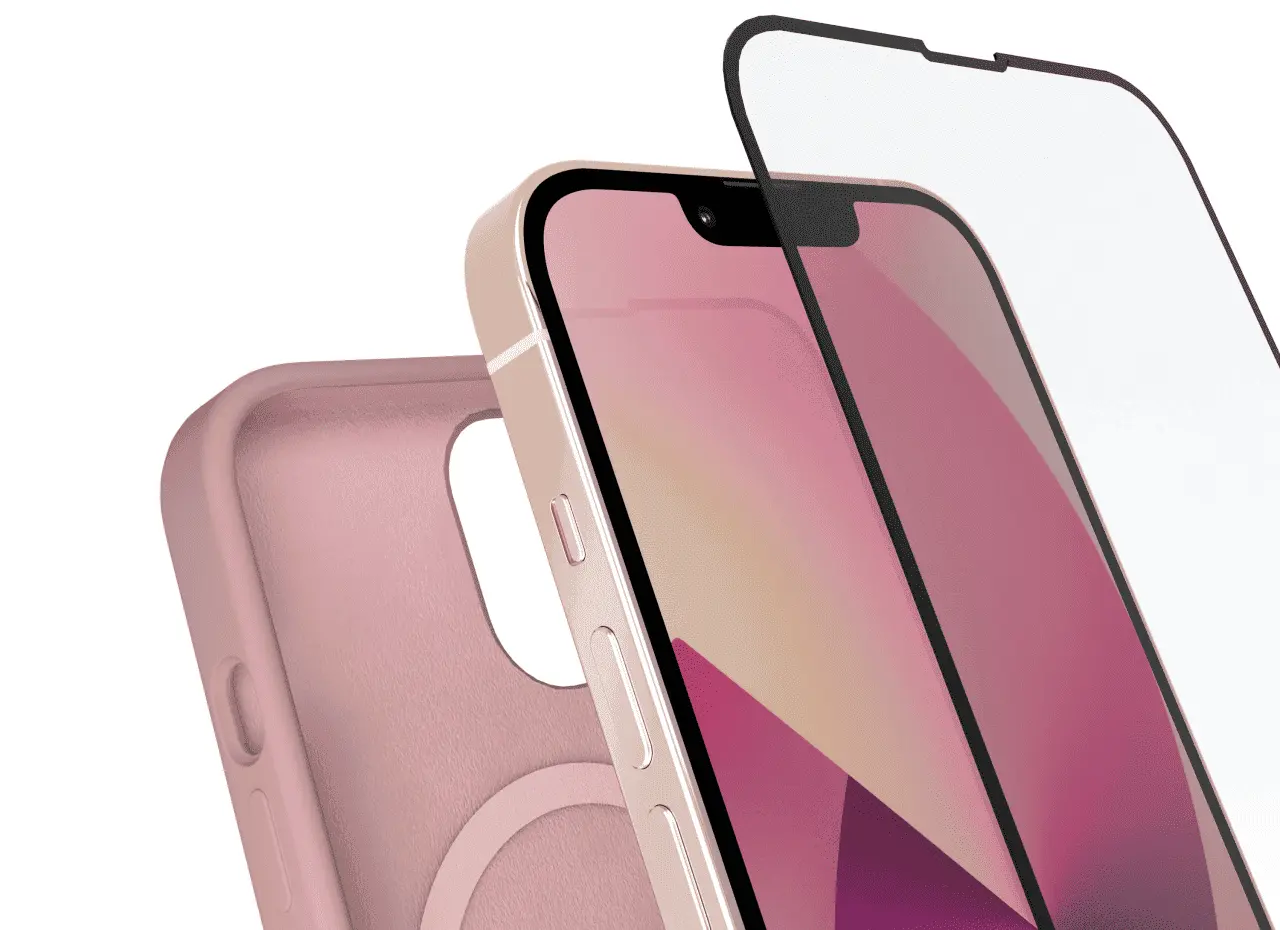
Guide to Choosing the Right Mobile Phone Case and Screen Protector
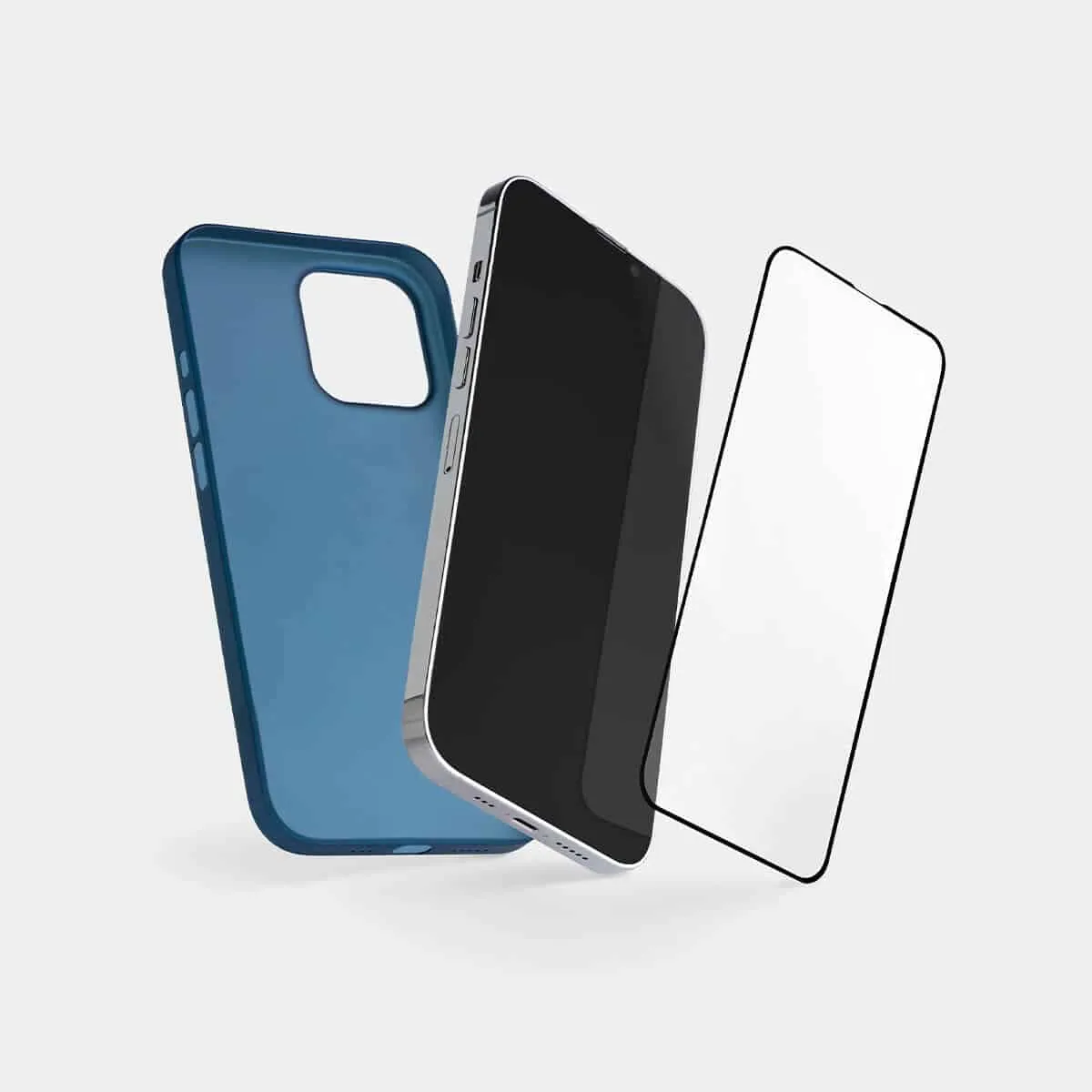
Types of Mobile Phone Cases
Hard cases: These cases are made of a hard material, such as polycarbonate or plastic. They provide the best protection against drops and impacts.
Soft cases: These cases are made of a soft material, such as silicone or TPU. They are easy to put on and take off, and they provide moderate protection against scratches and bumps.
Wallet cases: These cases have a flap that covers the screen and the back of the phone. They also have pockets for cards and cash.
Flip cases: These cases open and close like a book. They protect the screen and the back of the phone, and they can also be used as a stand.
How to Choose the Right Mobile Phone Case
Protection Level: Assess your lifestyle and the potential risks your phone faces. If you are prone to dropping your phone, opt for a sturdy hard case made from durable materials like polycarbonate or TPU. For everyday use, a soft silicone or TPU case offers adequate protection against minor bumps and scratches.
Design and Style: Express your personal style with a case that reflects your taste. From sleek minimalist designs to vibrant patterns, there's a case to suit every preference. Consider cases with built-in features like kickstands for hands-free viewing or wallets for convenient card storage.
Cost: Mobile phone cases range in price from budget-friendly options to premium designer cases. Determine your budget and select a case that provides the best value for your needs.
Types of Screen Protectors
Plastic screen protectors: These screen protectors are thin and flexible. They are easy to apply and remove, and they provide basic protection against scratches.
Tempered glass screen protectors: These screen protectors are thicker and harder than plastic screen protectors. They are more difficult to apply, but they provide better protection against scratches, cracks, and impacts.
How to Choose the Right Screen Protector
- Protection: What type of protection do you need? If you are concerned about scratches, a plastic screen protector will be sufficient. If you are more concerned about cracks and impacts, a tempered glass screen protector is a better choice.
- Clarity: Do you want a screen protector that is clear or has a matte finish? A clear screen protector will not affect the clarity of your screen, but it will not hide scratches as well. A matte finish screen protector will hide scratches, but it will make your screen look slightly darker.
- Ease of application: Do you want a screen protector that is easy to apply? Some screen protectors are easier to apply than others. You may want to choose a screen protector that comes with a self-application kit.
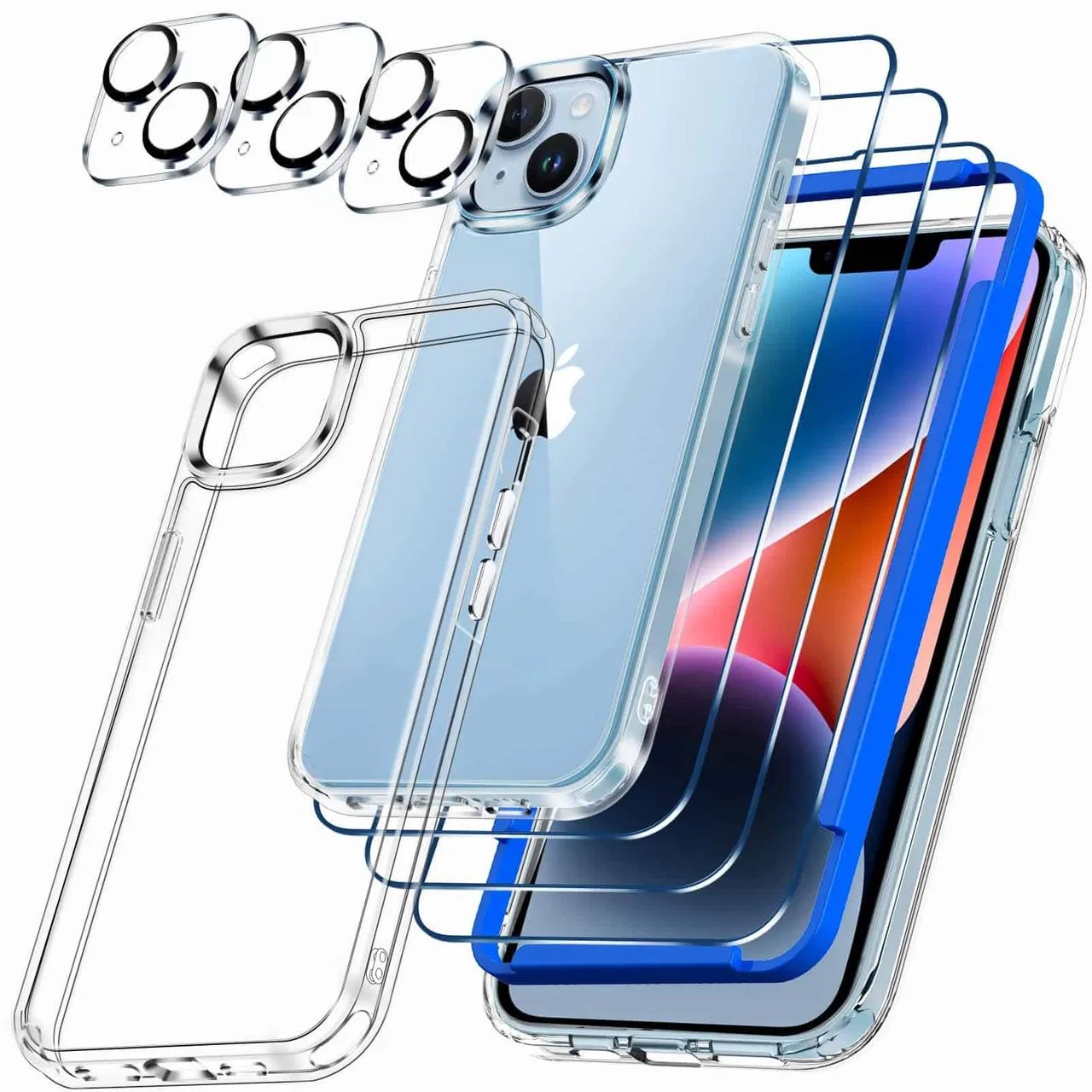
Tips for Applying a Screen Protector
- Clean your screen: Before you apply the screen protector, make sure your screen is clean and free of dust and dirt.
- Use a lint-free cloth: Use a lint-free cloth to clean your screen. Avoid using paper towels, as they can leave lint behind.
- Use a squeegee: Use a squeegee to remove any air bubbles that get trapped under the screen protector.
- Be patient: Take your time when applying the screen protector. If you rush, you may end up with a crooked screen protector.
Additional Tips for Optimal Protection
Regular Cleaning: Clean your phone case and screen protector regularly to remove dirt and debris that can cause scratches or wear.
Avoid Extreme Conditions: Protect your phone from extreme temperatures, direct sunlight, and excessive moisture to prolong its lifespan.
Handle with Care: Treat your phone with care, avoiding rough handling or excessive force.
Consider Insurance: For added peace of mind, consider purchasing phone insurance to cover accidental damage or theft.
Mobile Phone Case Tips
Screen Protector Tips
General Tips

Is it a good idea to invest in an insurance for your phone
| Pros | Cons |
|---|---|
| Can protect you from the financial burden of a damaged or lost phone | Can be expensive, especially for high-end phones |
| Can provide peace of mind | May not cover all types of damage or loss |
| May offer additional benefits, such as roadside assistance or identity theft protection | May require you to pay a deductible if you make a claim |
Here are some additional factors to consider when making your decision:
- The cost of your phone: If you have an expensive phone, then the cost of repairing or replacing it out of pocket could be significant. In this case, phone insurance may be worth the investment.
- Your likelihood of damaging your phone: If you are clumsy or you tend to drop your phone, then you are more likely to damage it. In this case, phone insurance may be a good idea.
- Your risk tolerance: If you are risk-averse, then you may be more likely to purchase phone insurance, even if the cost of repairing or replacing your phone out of pocket is not that high.
Here are some additional tips for saving money on phone insurance:
- Compare rates from different providers: There are a number of different phone insurance providers, so it is important to compare rates before you buy.
- Consider a deductible: A deductible is the amount of money you will have to pay out of pocket if you make a claim. A higher deductible will lower your monthly premiums, but it will also mean that you will have to pay more if you make a claim.
- Bundle your insurance: If you have other insurance policies, such as car insurance or homeowners insurance, you may be able to get a discount on your phone insurance by bundling your policies together.