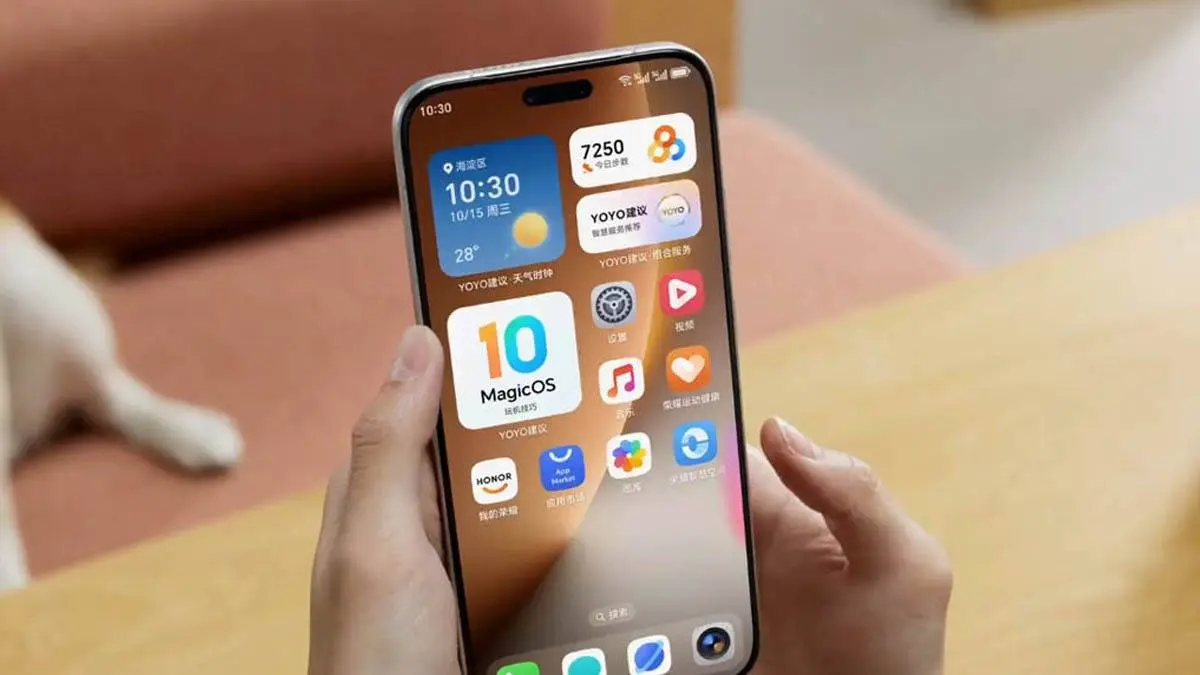
Honor isn't hiding what inspired MagicOS 11. The company's own marketing explicitly calls it "the first Liquid Glass Design on Android" — openly acknowledging Apple's iOS 26/27 aesthetic as the source of inspiration rather than pretending it arrived at waterdrop-shaped buttons and light-bending translucent panels independently. As of June 24, Honor has started rolling out MagicOS 11 to Pioneer Edition Beta devices — the earliest early access tier, currently limited to China. The eligible devices for wave one are the Honor Magic 8, Magic 8 Pro, Magic 8 Pro Air, and Magic 8 RSR Porsche Design.

Summary
- MagicOS 11 applies system-wide Liquid Glass effects across every UI layer — lock screen, notifications, settings, icons, navigation bars — going further than Oppo's ColorOS 16 or Vivo's OriginOS 6, which borrowed selectively.
- Honor openly markets it as "the first Liquid Glass Design on Android," acknowledging Apple's influence directly rather than positioning it as original.
- Pioneer Edition Beta rollout began June 24 in China for Magic 8 series devices; stable release is expected later in 2026, likely around October based on MagicOS 10's timeline.
- Google itself has confirmed Liquid Glass will not come to Android — meaning Pixel devices get Android 17 without it.
- MagicOS 11 includes a "Classic UI Mode" with solid colors for users who prefer the traditional interface, and thermal-aware rendering that automatically reduces effect complexity during heavy workloads.
How Thorough Is the Liquid Glass Clone?
While Oppo's ColorOS 16 and Vivo's OriginOS 6 both clearly take cues from Apple's design, Honor really takes the cake — MagicOS 11 applies the glass effects throughout the entire system, not just certain UI surfaces. The Weibo teaser videos show waterdrop-shaped buttons with translucent depth, light refraction effects that bend what's behind the UI, and soft glows that pulse around interface elements. Apple's iOS 27 Liquid Glass applies glass effects only to certain UI surfaces while the rest of the interface remains more traditional — Honor's MagicOS 11 takes the concept further, applying glass and transparency effects throughout the entire system from the status bar to settings and in-app navigation.
That's a meaningful distinction. Apple designed Liquid Glass as an accent. Honor designed it as the system.
"Honor's own marketing calls MagicOS 11 'the first Liquid Glass Design on Android' — making it arguably the most honest case of Apple inspiration in recent Android history. They didn't dress it up as something else; they named the reference."
The Engineering Behind the Look
MagicOS 11 monitors device temperature in real time and automatically adjusts the complexity of glass effects when the hardware is under load from gaming or heavy multitasking. The Liquid Glass effects don't disappear — the system just becomes smarter about rendering, preventing overheating without sacrificing the visual identity. That's a practical engineering decision, not just marketing. System-wide translucency requires the GPU to continuously blend layers against dynamic backgrounds, which is noticeably more demanding than rendering solid colors.

Users who don't want the glass aesthetic can switch to "Classic UI Mode," which reverts to solid colors and a traditional layout. The intensity of the Liquid Glass effects is also adjustable through a slider in personalization settings. Honor appears to have anticipated the "it's too much" feedback before it arrives.
What's Next for MagicOS 11
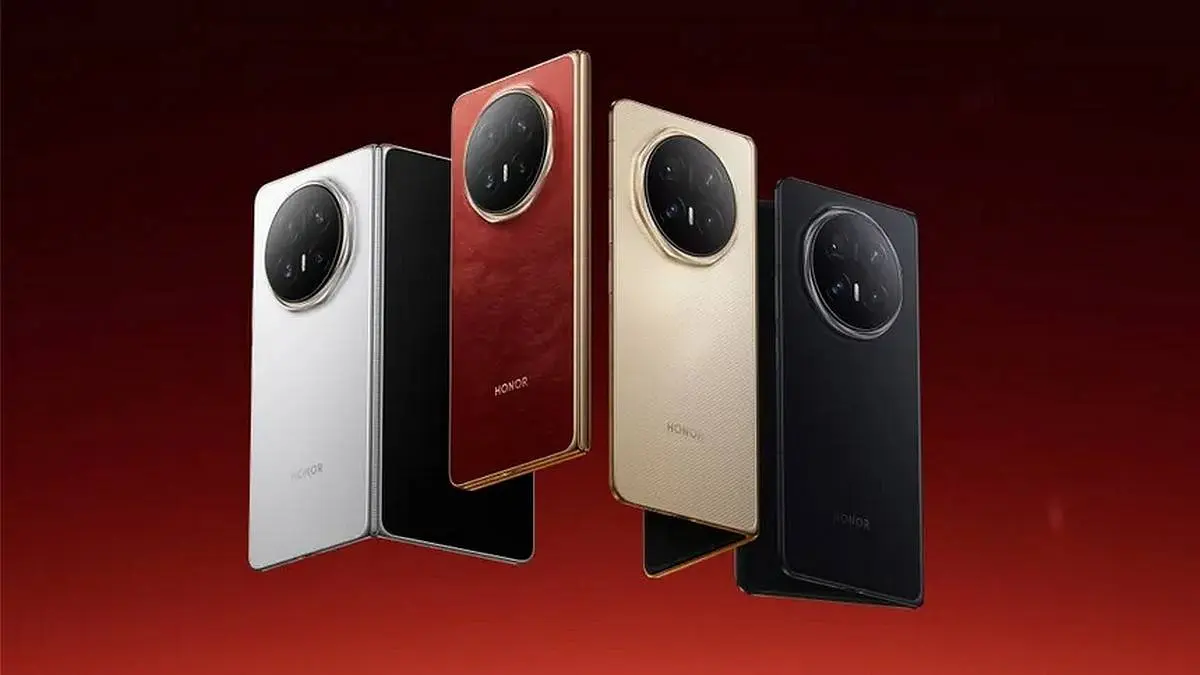
The stable MagicOS 11 update should roll out to the broader Magic lineup by the end of 2026. Honor Magic 7 and Magic 6 series devices are expected to receive it in 2026 or 2027. A global rollout timeline hasn't been confirmed. The beta is China-only for now, and Honor hasn't addressed whether the feature set will differ internationally.
If Honor is comfortable pushing this far with Liquid Glass, expect the trend to accelerate across the wider Android ecosystem. Xiaomi's HyperOS 4 and Realme UI haven't made major public Liquid Glass moves yet — but they're watching the same market dynamics.
Popular News
Latest News
Loading