Another Decent Web Browser Deprecates Manifest V2, Breaks Ad Blockers!
microsoftMonday, 10 August 2026 at 07:13

We knew this was coming, honestly. Microsoft's been dodging the question for years, but Edge is now officially following Chrome's lead and killing off Manifest V2 extensions, which means the full version of uBlock Origin is on its way out.
If you're not deep into browser internals, quick version: Manifest V2 and V3 are extension architectures, essentially the rulebook that determines what browser add-ons are allowed to do. V3 is more restrictive by design, less background access, tighter permissions, which Microsoft (like Google before it) frames as a security and performance win. Ad-blocker developers, on the other hand, have argued for years that V3's restrictions specifically cripple the kind of deep content filtering tools like uBlock Origin rely on.

Summary
- Microsoft Edge is deprecating Manifest V2 extensions, beginning this month in Canary, Dev, and Beta channels, with full consumer rollout targeted by the end of 2026.
- The change will disable the full version of uBlock Origin, pushing users toward the more limited uBlock Origin Lite.
- Microsoft says only 58 extensions in the Edge Add-ons Store still meaningfully rely on Manifest V2, with just three lacking a Manifest V3 alternative.
- Enterprise-managed devices are exempt during the initial rollout, with enterprise deprecation planned for early 2027 alongside policy-based exceptions.
- Firefox continues to support Manifest V2 extensions, making it an alternative for users who want to keep full ad-blocking functionality.
The rollout starts this month in Edge's Canary, Dev, and Beta channels. Microsoft aims to complete the full consumer transition by the end of 2026, so if you're on Edge Stable, you've got a bit of time left, but not much. Once it lands, affected extensions get disabled with a notification pointing you toward Manifest V3 alternatives. For uBlock Origin specifically, that means using uBlock Origin Lite, a pared-down version built for the new rules. Lite works, but it's not the full replacement one could be waiting to see.

Here's a number worth sitting with: Microsoft says only 58 extensions in the Edge Add-ons Store still lean on Manifest V2 with meaningful usage, and just three of those don't already have a Manifest V3 equivalent available. Based on the above, it sounds like a small, manageable cleanup. On the other hand, one of those 58 happens to be one of the most widely used ad blockers on the internet, so "small number" doesn't really capture how many people use it.
"Microsoft says there are currently just 58 MV2 extensions on the Edge Add-ons Store with any meaningful usage." — a number meant to sound small, until you notice uBlock Origin is one of them.
Enterprise users get more breathing room, unsurprisingly. Managed devices are exempt during this initial consumer push, with Microsoft targeting early 2027 before enterprise deprecation kicks in, and even then, admins can keep specific force-installed extensions running through policy exceptions. Businesses, as usual, get the buffer regular users don't.
Read also

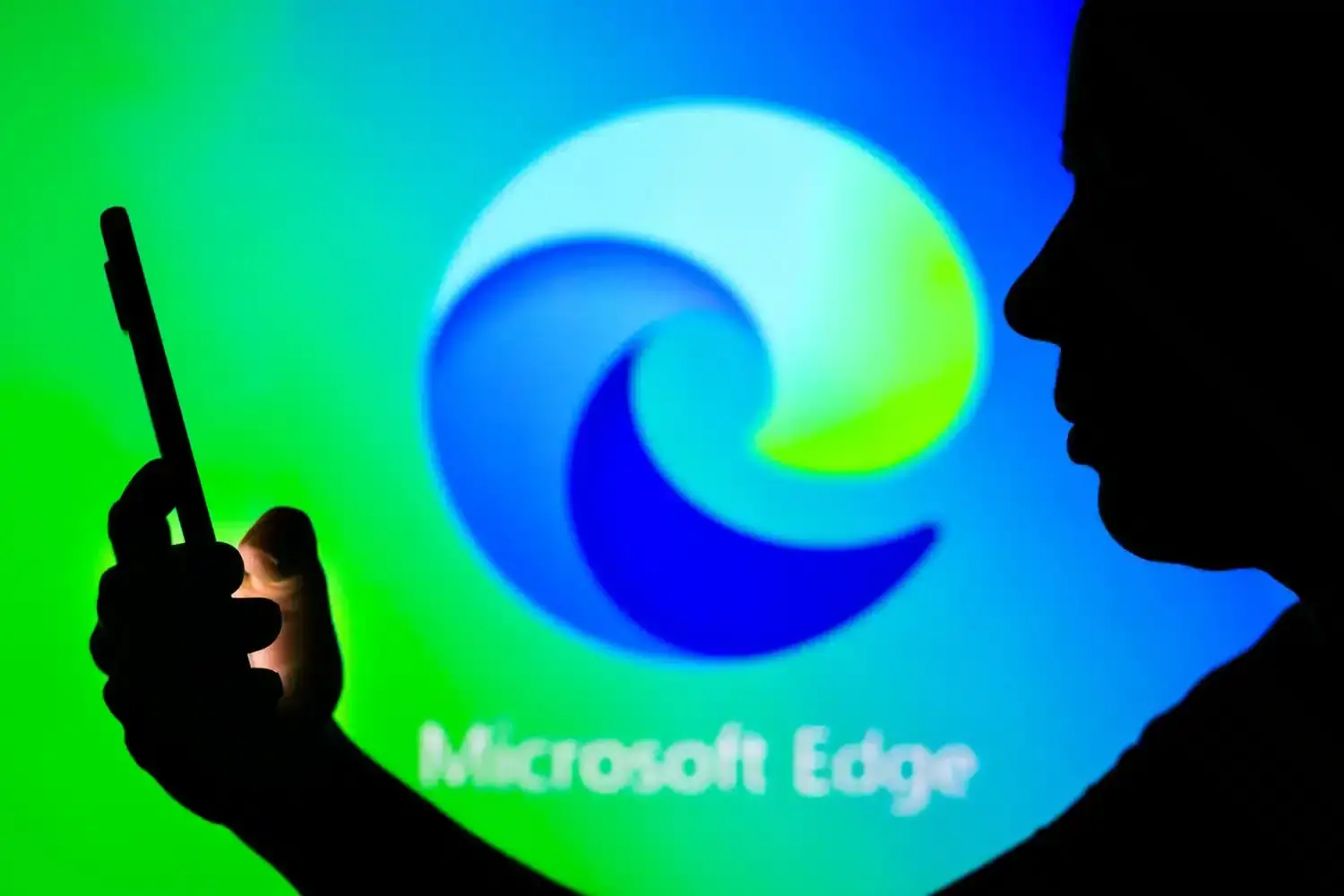
If keeping full-strength ad blocking matters more to you than staying on Edge, Firefox is still the obvious choice for winners, it's held firm on Manifest V2 support while Chrome and now Edge have moved on. Whether that holds indefinitely is anyone's guess, but for now, it's the path of least resistance if you're not ready to trade real ad blocking for a lighter, more limited version of it.
Popular News

Latest News
Loading