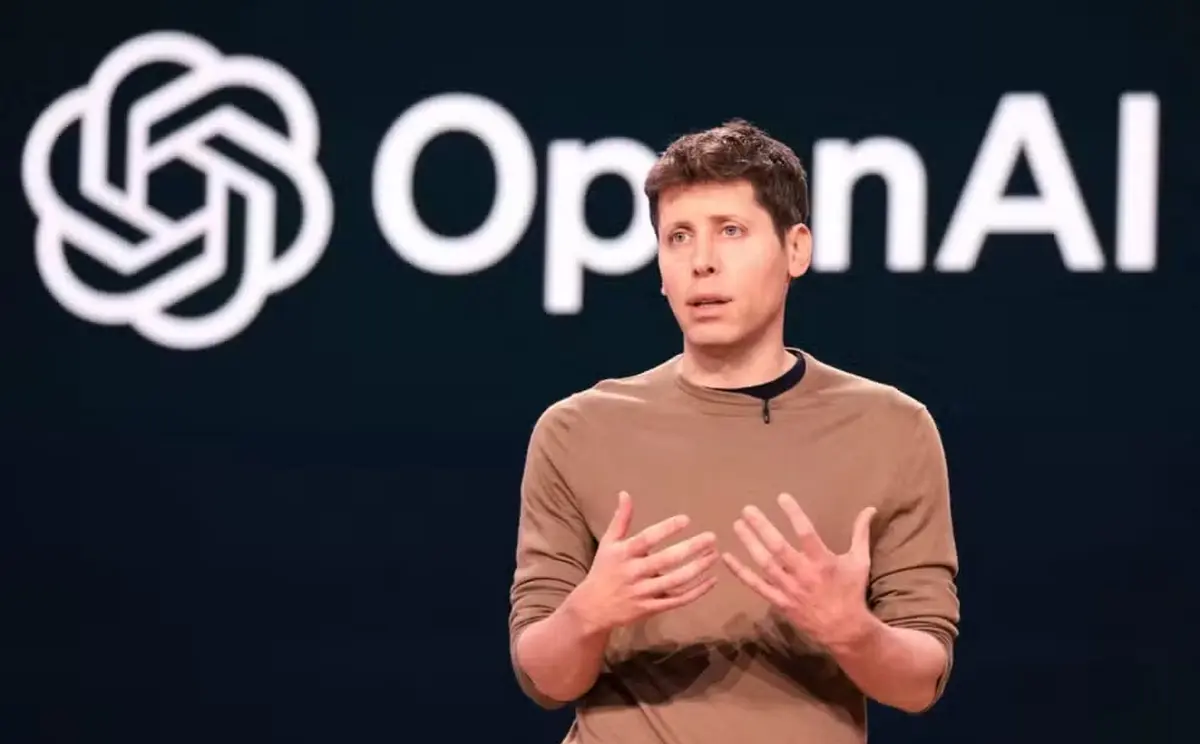
OpenAI is reportedly telling investors now expects to spend about $600 billion on computing infrastructure by 2030, offering a more defined and lower target than earlier figures tied to broader infrastructure commitments.
An Updated Outlook With a More "Conservative" Investment
The updated outlook comes as some investors worried that the company’s expansion could grow faster than its future revenue. With a clearer timeline, OpenAI is now trying to link its infrastructure spending more closely to expected growth over the next few years.
Sources say the company expects its annual revenue to pass $280 billion by 2030. Both consumer and enterprise products are projected to contribute in similar amounts. The new spending plan is meant to better align with that revenue path instead of leaving infrastructure spending too open-ended.
OpenAI Steps Back From Its Former "Trillion" Investment Plan
Over the past year, OpenAI signed several large deals with major chip and cloud companies. These deals focus on building more computing power, which is now essential for training and running advanced AI systems.
The company is also closing in on a huge funding round that could pass $100 billion. Most of the money is expected to come from strategic investors. NVIDIA is reportedly in talks to invest up to $30 billion, with support also coming from SoftBank and Amazon. This round could value the company at about $730 billion before the new funds are added.

In 2025, OpenAI generated around $13.1 billion in revenue. This was higher than its earlier $10 billion target. The company also spent about $8 billion, which was slightly below what it had expected to spend.
OpenAI started in 2015 as a nonprofit research lab. It became widely known after launching ChatGPT in 2022. The chatbot now reportedly has more than 900 million weekly active users. After a brief slowdown last fall, user growth has returned to record highs.
Inside the company, there is now a stronger focus on improving core products as competition grows. Its coding tool, Codex, has passed 1.5 million weekly active users and now competes directly with other AI coding tools in the market.
Key Points Recap
- OpenAI plans to spend about $600 billion on compute by 2030
- The company now has a clearer and more defined spending timeline
- The change follows concerns about spending growing faster than revenue
- OpenAI expects revenue to pass $280 billion by 2030
- Consumer and business products should bring in similar revenue
- The company is making big deals with chip and cloud partners
- A funding round of over $100 billion is being finalized
- Possible investors include Nvidia, SoftBank, and Amazon
- OpenAI made about $13.1 billion in revenue in 2025
- The new plan focuses on growth while keeping spending more controlled
Read also


The new $600 billion computing spending target shows a more structured plan for the future. OpenAI is still expanding fast, but it is also trying to better match its spending with long-term revenue and financial stability.
Popular News




Latest News
Loading