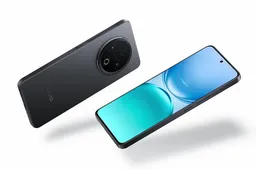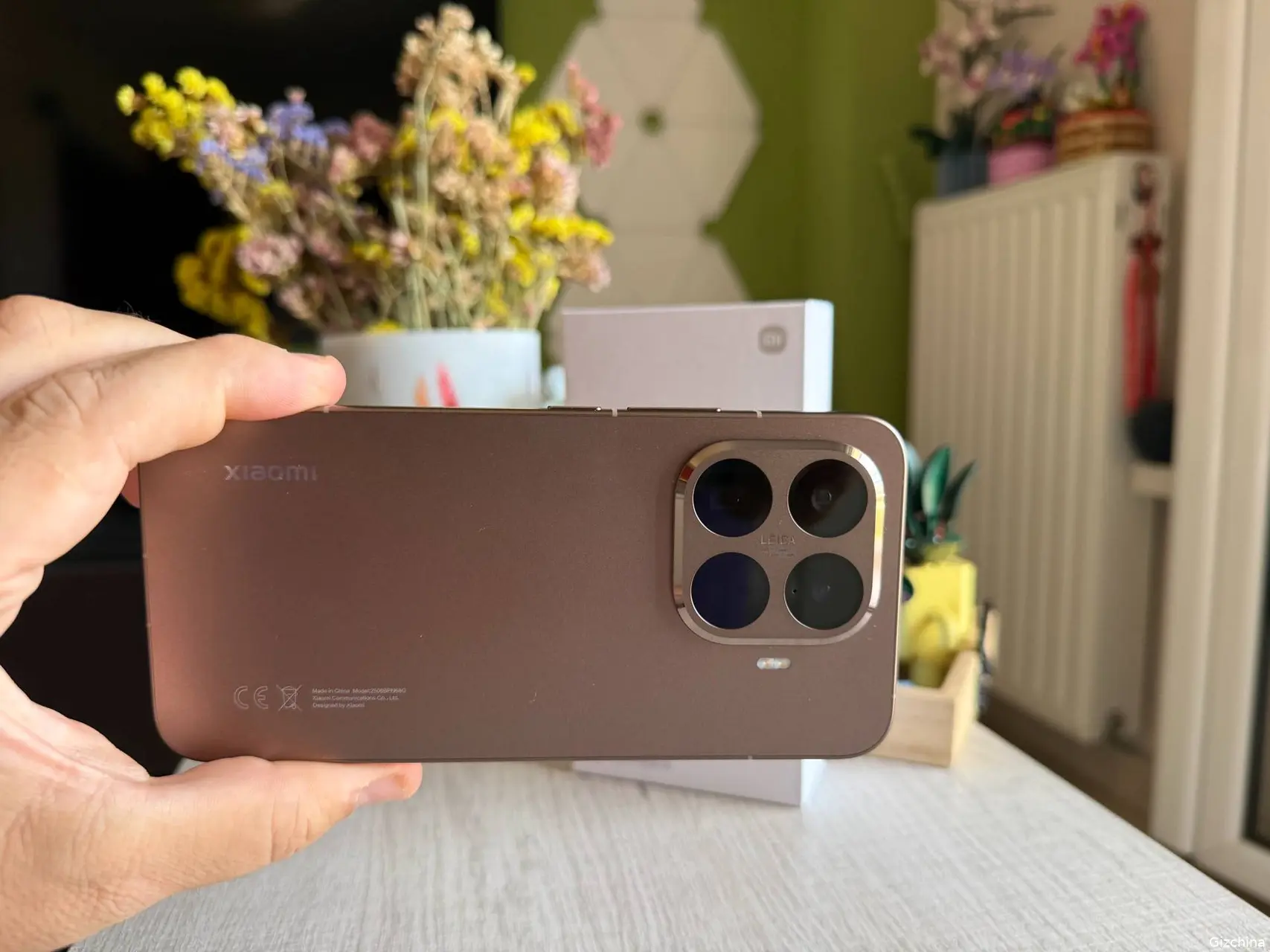
I’ve been using the Xiaomi 15T Pro as my daily driver for a little over two weeks now. Long enough to notice both the small delights and the occasional irritations that don’t always appear in a spec sheet. Xiaomi’s T-series has typically aimed to balance near-flagship performance with a price that doesn’t completely wreck your wallet. This year’s model keeps that philosophy intact, but it’s more refined, sometimes in ways you only notice after a few days.

First Impressions & Design
At a glance, the 15T Pro doesn’t look dramatically different from last year’s 14T Pro. The boxy aluminum frame returns, as does the oversized camera bump, but somehow the phone feels just a little sleeker in the hand. At 7.9 mm thick and weighing 210 g, it’s a hair thinner but slightly heavier than its predecessor. I actually appreciate the added weight; it makes the device feel denser, more premium.
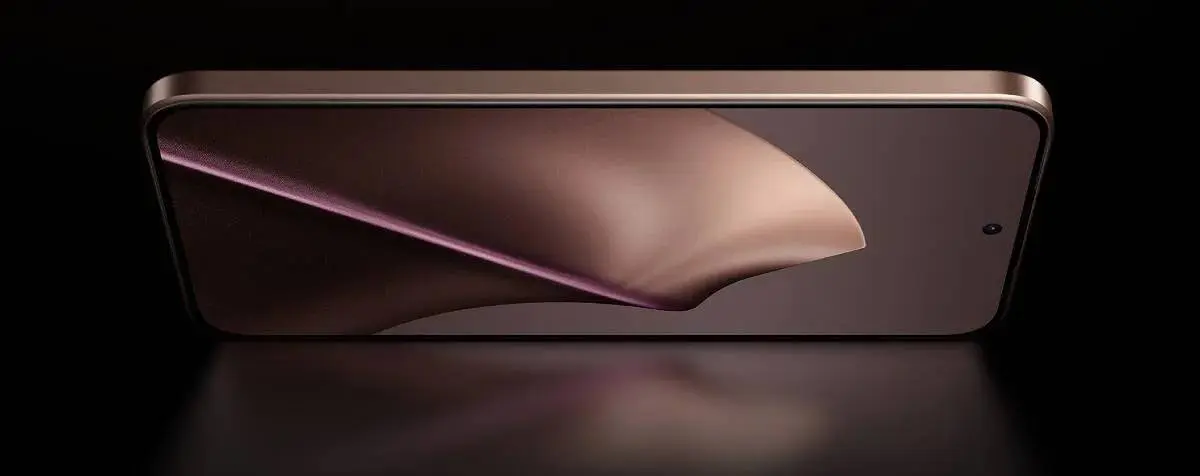
The matte finish on the back panel resists fingerprints better than I expected, though it’s not completely immune — under certain angles you can still see smudges. The frame is now made of 6M13 aluminum alloy, which Xiaomi claims improves drop resistance. I didn’t drop it on purpose, but it survived a minor tumble from my couch to the hardwood floor without a single mark. Maybe luck, maybe engineering.
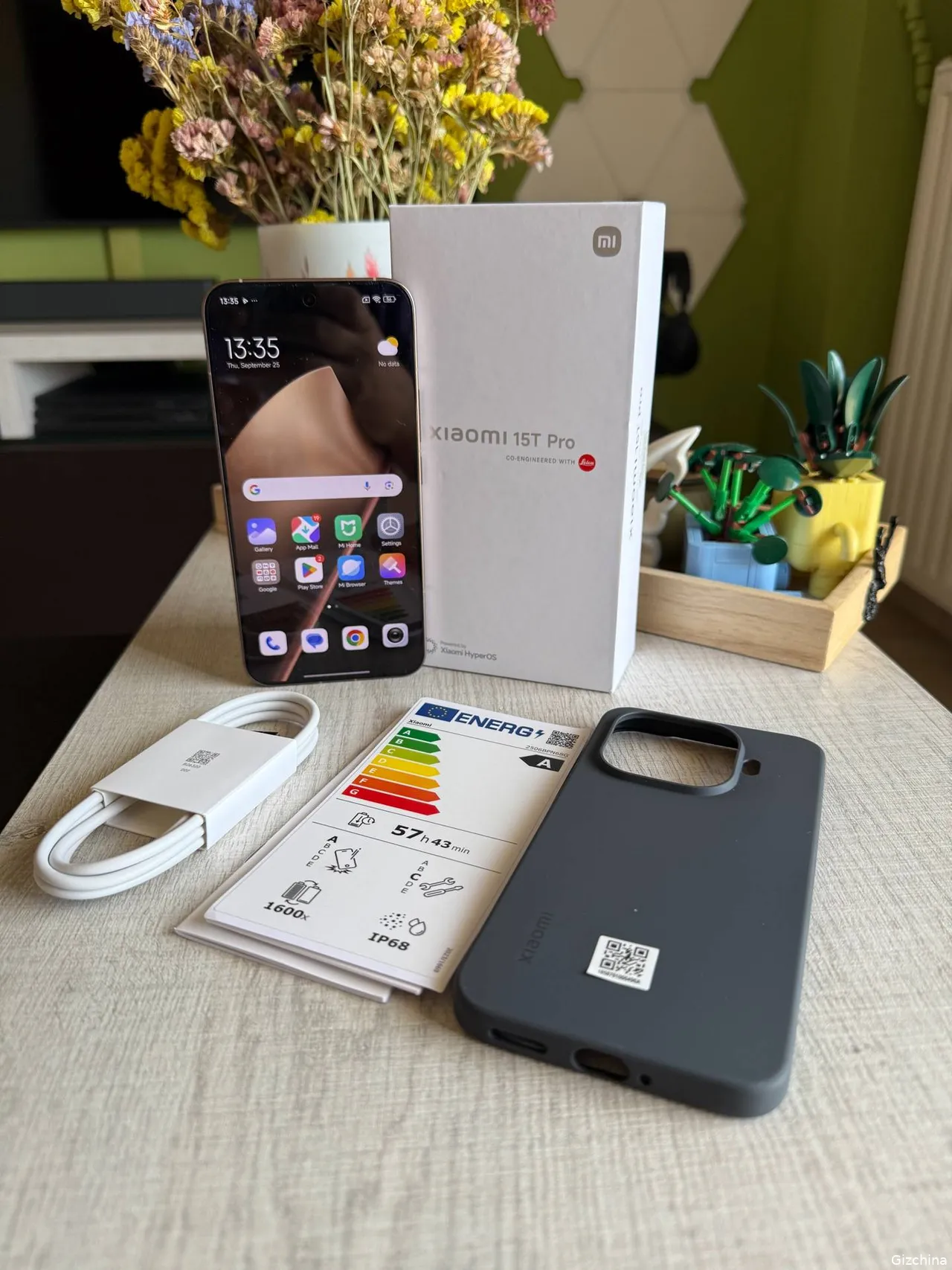
You still get IP68 water and dust resistance, a Gorilla Glass front, and three color options: Black, Gray, and Mocha Gold — the latter is the one I’ve been carrying around. It’s subtle and almost bronze-like under daylight, which I think looks more expensive than the price suggests.

Ports and buttons remain conventional: the power and volume rockers on the right, USB-C and one stereo speaker at the bottom, the second speaker up top integrated into the earpiece. Xiaomi kept the IR blaster, but oddly, it’s positioned near the camera module, so I had to aim the phone as if I were taking a photo to control my TV. Not a big deal, just mildly awkward.
Display and Media
Xiaomi’s displays have often been a highlight, and that’s mostly true again here. The 6.83-inch AMOLED panel is slightly bigger than before and peaks at 3,200 nits of brightness — lower than last year’s advertised 4,000 nits, yet still bright enough for outdoor use. I didn’t struggle to read maps under direct sun in Athens last weekend.

The screen holds the same 1.5K resolution and 144 Hz refresh rate, with support for HDR10+ and Dolby Vision. Scrolling feels fluid; video streaming looks vibrant without being over-saturated. I kept the refresh on adaptive mode and didn’t notice stutter or ghosting.
Audio is where I felt a step sideways. The stereo speakers are clear at moderate volume but start to thin out when pushed higher, and they lack the fullness of the 14T Pro’s setup. Watching movies in a quiet room is fine, but I reached for earbuds during louder street-side coffee breaks.

The under-display fingerprint sensor is snappy. It recognized my thumb almost every time on the first try, even with slightly damp hands after a workout. Face unlock is still present and reasonably quick, though less reliable in dimly lit rooms.
Cameras: The Leica Touch Still Shows
Cameras remain the centerpiece. The 50 MP main sensor, 50 MP 5× telephoto, and 12 MP ultra-wide, co-engineered with Leica, continue Xiaomi’s push into serious photography territory. Around front, there’s a 32 MP selfie camera.
Photos in daylight look crisp, with Leica’s recognizable mix of natural color and high contrast. Shadows retain detail without crushing, and highlights rarely blow out — a subtle improvement over the 14T Pro. Portrait mode separates subjects from the background more smoothly now, though occasionally it softens hair edges too much.
Low-light performance is where I noticed the biggest leap. Indoor shots in cafés came out cleaner with less noise creeping in. Night mode brightens scenes without the waxy look some phones still produce. The telephoto lens holds its own: at 5× it remains sharp enough for casual street photography. Switching between lenses feels more consistent too — color tones and contrast don’t shift abruptly as they sometimes did on the previous model.

Selfies are solid. I especially appreciated the autofocus and auto-zoom, which made group shots easier during a birthday dinner. As someone who dabbles in toy photography, I was impressed by how accurately the 15T Pro rendered miniature colors compared to my older Xiaomi 11T.
Video recording goes up to 8K at 30 fps or 4K at 120 fps on the rear, while the front tops at 4K 30 fps. I mostly shot in 4K60 for smoother motion; stabilization was reliable enough for handheld clips of a street parade.
Performance and Gaming
Inside is the new MediaTek Dimensity 9400+, paired with up to 12 GB LPDDR5x RAM and 1TB (!) of UFS 4.1 storage. Benchmarks are impressive — over 2.56 million points in AnTuTu, a big jump from the 14T Pro’s roughly 1.96 million. Geekbench 6 scores also put it comfortably in flagship territory.
Real-world use matches the numbers. Apps open instantly, multitasking feels effortless, and I rarely saw the system hesitate even with dozens of Chrome tabs. Games benefit the most: demanding titles such as Wuthering Waves and Persona 5: The Phantom X still dip at ultra settings but stay much steadier at high or medium. Lighter games like Umamusume and Mobile Legends run flawlessly.
Thermals are well-managed. After a full hour of gaming at 50 % brightness, the phone grew warm but never uncomfortably hot. Frame rates stayed mostly consistent, which suggests the new cooling design does its job. I even completed a three-hour questline in Wuthering Waves without hitting severe throttling.

Battery Life and Charging
Battery life is another win. Xiaomi moved to a 5,500 mAh cell, slightly larger than before, and paired it with 90 W wired and 50 W wireless charging. Charging is technically slower than the 14T Pro’s 120 W wired peak, but endurance has improved noticeably.

On PCMark’s Work 3.0 battery test, the phone lasted 18 hours 45 minutes — roughly four hours longer than its predecessor. In my personal loop test, a two-hour Netflix stream consumed about 12 % of battery at medium brightness. Gaming endurance also jumped: Mobile Legends ran for about 9.5 hours on a single charge, compared to around 7.5 hours before.
Topping up from near empty to 100 % takes just under an hour with the included 90 W charger — yes, Xiaomi put the brick back in the box after skipping it last time. A 20-minute quick charge usually brought me from 20 % to around 65 %, which is enough to get through the rest of the day.
Software Experience
My unit shipped with HyperOS 2 based on Android 15, though Xiaomi promises a HyperOS 3 update soon. The UI feels cleaner and better organized than earlier MIUI builds. Bloatware is still there — a handful of extra apps in a single folder — but most can be uninstalled in seconds.
New features like offline communication (for nearby device sharing without internet) and HyperAI tools for image editing and quick searches are genuinely handy. I used the AI Enhance mode in the gallery to brighten a few dim café shots, and the results were subtle rather than cartoonish. Circle-to-Search, borrowed from Google’s ecosystem, is also integrated and worked well for identifying random shoes in photos.

Not everything is perfect; a couple of system animations feel slower than they should, and I hit one minor bug where the notification shade lagged after switching themes. But nothing that ruined the daily experience.
Connectivity
The 15T Pro covers all the modern boxes: dual-SIM 5G, Wi-Fi 7, Bluetooth 6, NFC, and the aforementioned IR blaster. Call quality on both 5G and VoLTE was consistently clear. I paired it with a Wi-Fi 7 router and pulled excellent speeds while transferring large RAW photos to my laptop.
Where It Stands
Overall, the Xiaomi 15T Pro feels like a thoughtful refinement rather than a radical overhaul. Battery life is much stronger, gaming performance is steadier, the cameras — especially the telephoto — are more consistent, and the design feels sturdier.
But it’s not without faults. The speakers could be better, some might miss flashier color options, and the slight drop in peak charging speed will annoy a few power users. If you own the 14T Pro, upgrading may not feel essential unless you crave longer endurance or game a lot. For anyone coming from a two- or three-year-old device, this strikes me as a well-balanced flagship alternative that won’t disappoint.
I paid closer attention to how it felt over time rather than just the headline specs. And I think that’s the real story: the 15T Pro might not wow you on day one, but it grows on you because it quietly fixes last year’s pain points. That makes it easier to recommend — especially for buyers who prioritize battery life and reliable cameras over chasing every spec bump.
Quick Likes
- Noticeably stronger battery life than 14T Pro
- Dimensity 9400+ chip delivers top-tier performance
- Leica-tuned cameras, particularly improved 5× telephoto
- Included 90 W charger (finally)
- Solid build with IP68 rating
Quick Dislikes
- Stereo speakers lack volume and depth
- Peak wired charging slower than last year
- Color palette feels a bit plain
Popular News

Latest News
Loading