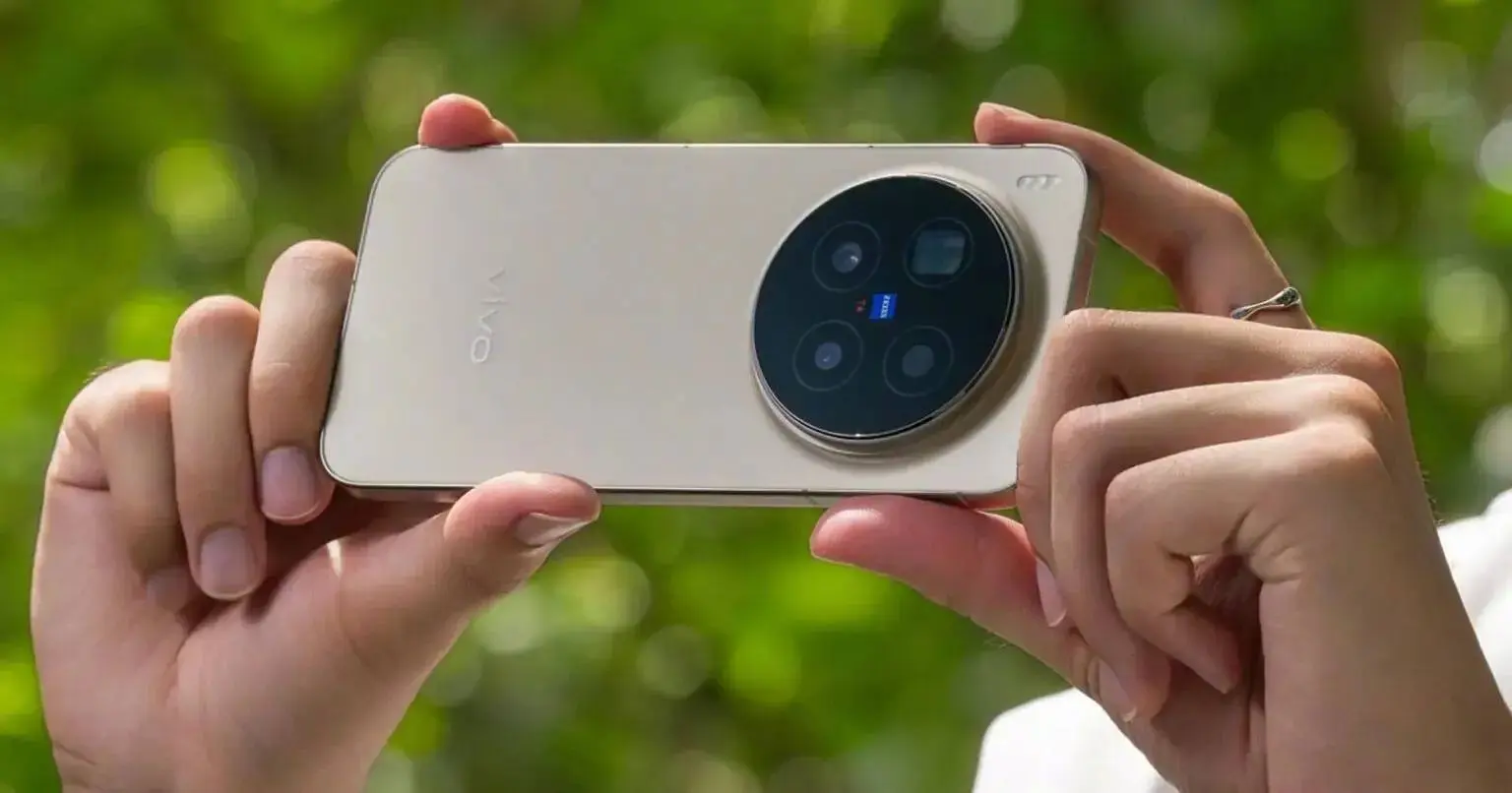
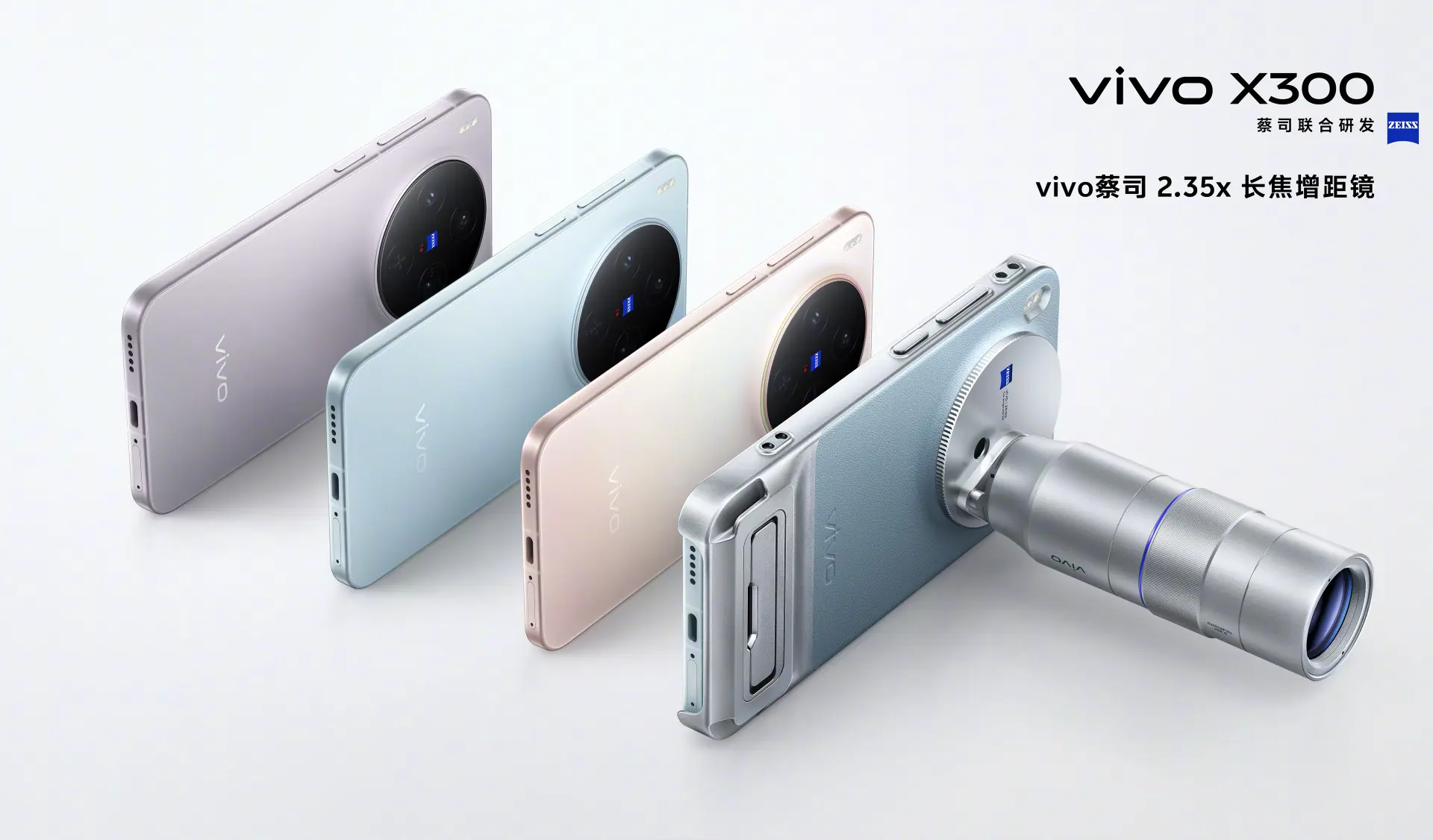
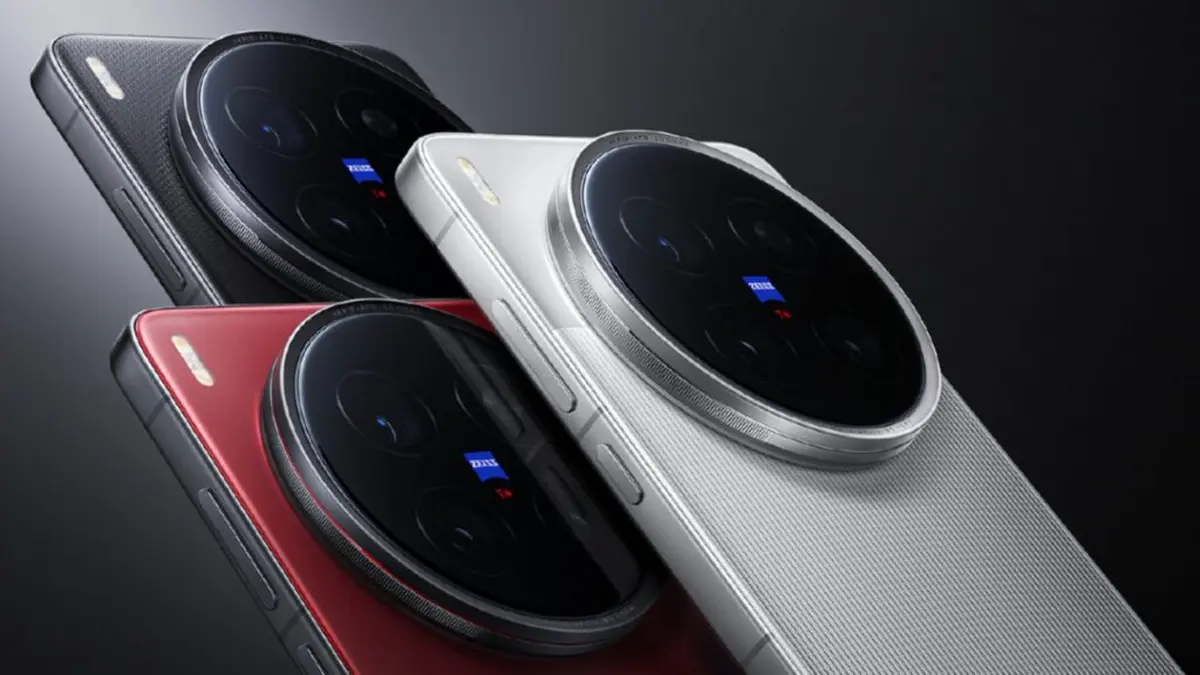
Vivo's X300 Pro series is getting expensive. Leaks say the base model with Beidou satellite starts at ¥5,699 ($788). That's ¥400 ($55) more than the equivalent X200 Pro configuration. The entire X300 Pro lineup costs roughly ¥500 ($69) more than non-satellite versions.

Key Points:
- Vivo X300 Pro starts at ¥5,699 ($788) with Beidou satellite, ¥400 ($55) more than X200 Pro
- Entire X300 Pro series costs approximately ¥500 ($69) more than non-satellite versions
- March 2026 brings industry-wide smartphone price increases driven by storage chip costs
- Manufacturers reclassifying mid-range models as "mid-to-high-end" to justify price hikes
- All X300 Pro variants include Beidou satellite communication as standard feature
Beidou Satellite Connectivity
All X300 Pro variants include Beidou satellite communication. That's China's GPS alternative offering two-way messaging when cellular networks don't reach. Useful for emergencies, rural areas, and disaster situations.
Adding satellite hardware increases manufacturing costs obviously. Antennas. Chips. Licensing fees. Those expenses get passed to buyers.
The 12GB RAM + 256GB storage satellite version starts at ¥5,699 ($788). Compare that to the X200 Pro's equivalent spec at ¥5,299 ($733). That's ¥400 ($55) extra for satellite capability alone.
Industry-Wide Price Increases Coming
Vivo's price hike isn't isolated. Digital bloggers claim March 2026 brings collective price increases across the entire smartphone industry.

The culprit? Storage chip costs climbing steadily. NAND flash and DRAM prices kept rising throughout late 2025 and early 2026. Manufacturers can't absorb those cost increases forever. Eventually they pass them to customers.
Every flagship phone uses expensive storage. 256GB configurations. 512GB options. Even 1TB variants now. When storage chips cost 20-30% more, final device prices must increase proportionally or margins collapse.
Rebranding Mid-Range as Premium
Here's where things get sneaky. The industry reportedly plans reclassifying mid-range models as "mid-to-high-end" devices.
How? Minor spec bumps. Strategic upgrades. Sometimes just renaming existing models. The goal is presenting these phones as premium offerings justifying higher prices.

This softens consumer resistance. People accept paying more for "premium" devices easier than swallowing price increases on models they considered mid-range previously.
Example: Last year's ¥3,500 ($484) mid-ranger becomes this year's ¥4,000 ($553) "mid-to-high-end" phone with marginally better specs and fancier marketing. Same basic product tier. Different positioning. Higher price.
What This Means for Buyers
Expect flagship phones costing ¥500-¥800 ($69-$111) more than equivalent 2025 models. Mid-range devices jumping ¥300-¥500 ($41-$69) upward.
Budget options might see smaller increases or stay flat as manufacturers fight for price-sensitive buyers. But anything above ¥3,000 ($415) will likely cost noticeably more soon.

Whether satellite connectivity justifies ¥400-¥500 ($55-$69) premium depends on individual needs. Most urban users never need satellite messaging. Rural users or outdoor enthusiasts might find real value there.
The X300 Pro hasn't launched officially yet. These prices come from blogger leaks. Final pricing could shift before announcement. But the overall trend toward higher prices across the industry looks solid based on component cost realities.
March 2026 marks the beginning of this pricing shift apparently. Buyers planning purchases might want to buy sooner rather than later before increases hit.
Popular News
Latest News
Loading