
Xiaomi's biggest software update in years just got a confirmed launch window. Multiple Chinese industry insiders are pointing to August as the month HyperOS 4 goes official — timed to debut alongside the Xiaomi 18 series or possibly the upcoming Mix Fold 5. And for the first time, specific performance figures have surfaced to back up the "major overhaul" claims.
Summary
- HyperOS 4 is tipped to launch in August 2026 in China, with a global rollout expected to follow in October — consistent with how HyperOS 3 was released last year.
- The update is built entirely in Rust and Flutter, eliminating the last remnants of MIUI legacy code — Xiaomi's first OS with a truly clean-sheet system architecture.
- Early internal benchmarks claim 40% improved system smoothness, 35% better background app retention, 25-30% lower idle memory usage, and only 5% performance degradation after one year of use.
- File transfer speeds between Xiaomi devices could increase by up to 300%, with seamless app continuity across smartphones, tablets, and PCs.
- On-device AI via Mimo and Miclaw runs fully offline — handling document summarization, multilingual translation, and AI image editing without a cloud connection.

The Numbers Are Specific — and That's Encouraging
Most OS announcements lean on vague adjectives. "Smoother." "Faster." "More efficient." HyperOS 4's pre-launch leak is doing something different: it's putting actual figures in front of those claims. Forty percent improvement in system smoothness. Thirty-five percent more background apps retained. Twenty-five to thirty percent lower idle memory consumption. And a cap of just five percent performance degradation after twelve months of continuous use.
These are internal test figures, not independent benchmarks. They need to be treated accordingly. But the specificity matters — vague claims are easy to make and impossible to verify, while specific percentages can be checked against real-world testing after launch. If Xiaomi is putting these numbers into pre-release briefings, they're presumably confident enough in the data not to get embarrassed by reviewer comparisons.
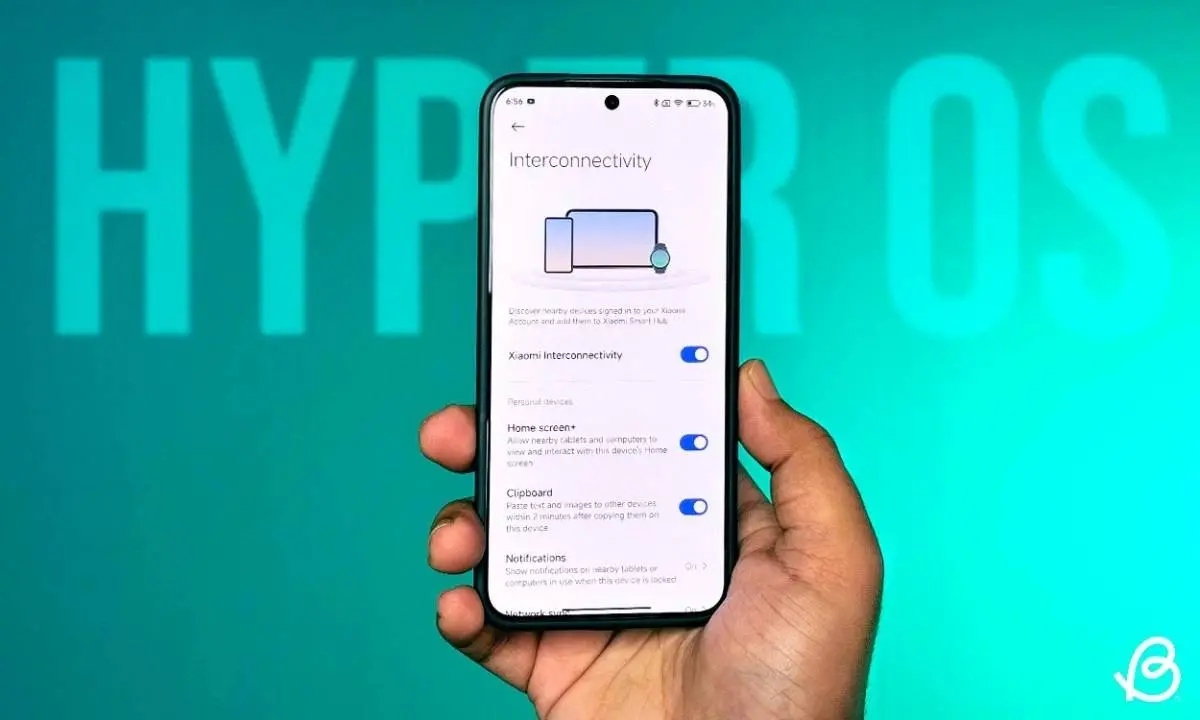
The Rust and Flutter is the foundation for all of it. Rust's memory safety model eliminates entire categories of bugs that affect older Android skins built on legacy C/C++ frameworks. Flutter enables consistent UI rendering across Xiaomi's device ecosystem — phones, tablets, TVs, and vehicles — from a single codebase. It's a significant engineering commitment, not a cosmetic refresh.
Limiting performance degradation to 5% after a full year of use would make HyperOS 4 one of the most age-resistant Android skins ever shipped — a direct answer to the complaint that Chinese Android phones slow down fast.
Cross-Device and AI: The Real Differentiators
The 300% file transfer speed increase between Xiaomi devices sounds headline-grabbing. What's more interesting is the app continuity piece — the ability to pick up a task on your phone and resume it on a tablet or PC without losing state. We've seen Xiaomi demo this before in HyperOS 3, but the implementation was inconsistent. HyperOS 4's unified AI coordination framework is supposed to fix that, making cross-device handoff as reliable as Apple's Continuity features rather than a demo-day trick.

The offline AI suite — Mimo for document summarization and translation, Miclaw for agent tasks — is the privacy-forward move that differentiates Xiaomi from cloud-dependent AI implementations. No data leaves the device. Response times are significantly faster than cloud roundtrips. And it works on a plane.
Who Gets It First
The first batch of HyperOS 4 beta testers in China will be Xiaomi 17 series owners and Redmi K90 users, per Digital Chat Station's earlier confirmed list. The stable rollout starts with the Xiaomi 18 and 18 Pro Max in September, expanding to Xiaomi 15, 14, and Redmi K90 series through year-end. Global devices typically follow four to six weeks behind China.
If you're on a supported device and want the update fast — watch for the beta recruitment post in the Mi Community app's Clubs section or you can read here the news when it launches.
Popular News




Latest News
Loading