One of the best Android tablets out there, is getting (a most needed) Android 16 update
Xiaomi NewsTuesday, 11 November 2025 at 10:58
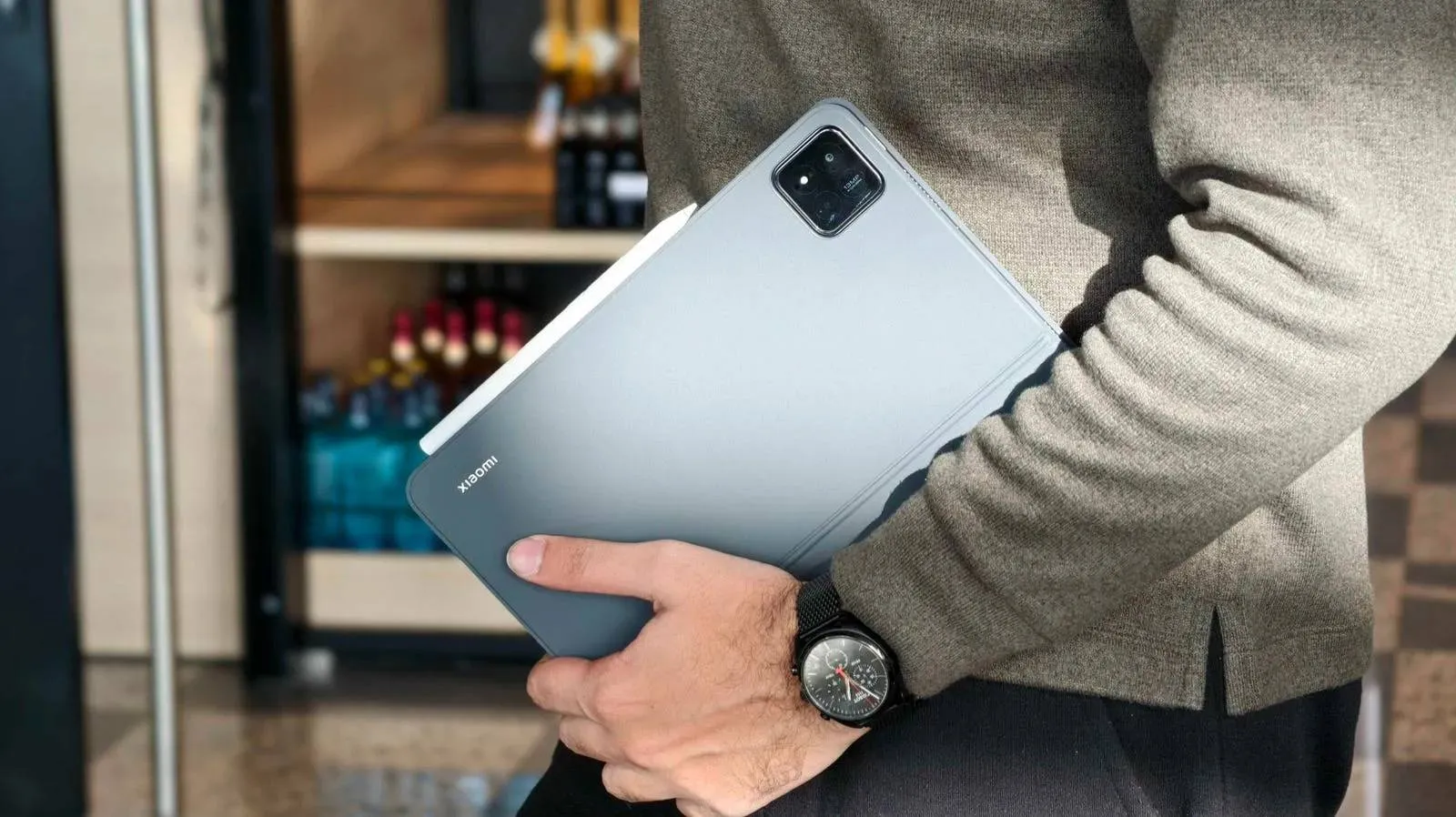
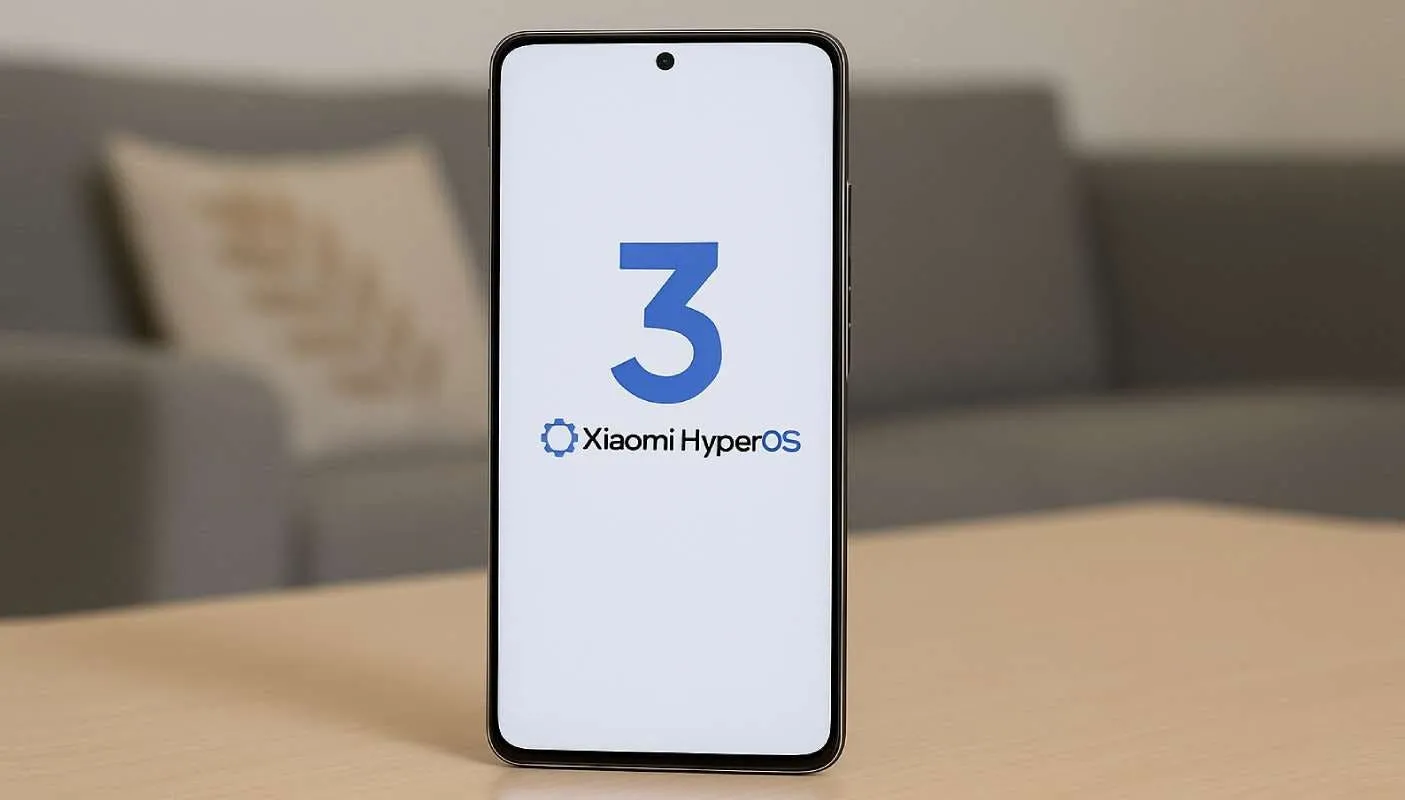
After weeks of waiting, Xiaomi Pad 7 users across the globe are finally seeing a major update land on their devices. The rollout of HyperOS 3, based on Android 16, has officially begun — and it’s bringing more than just fresh visuals. There’s a new layer of intelligence here, from AI-driven tools to the debut of a feature Xiaomi calls Super Island.

A Fresh Coat of Intelligence
The update, carrying build number OS3.0.2.0.WOZMIXM, quietly started appearing on devices this week. Xiaomi didn’t just polish the interface — it rethought parts of it.
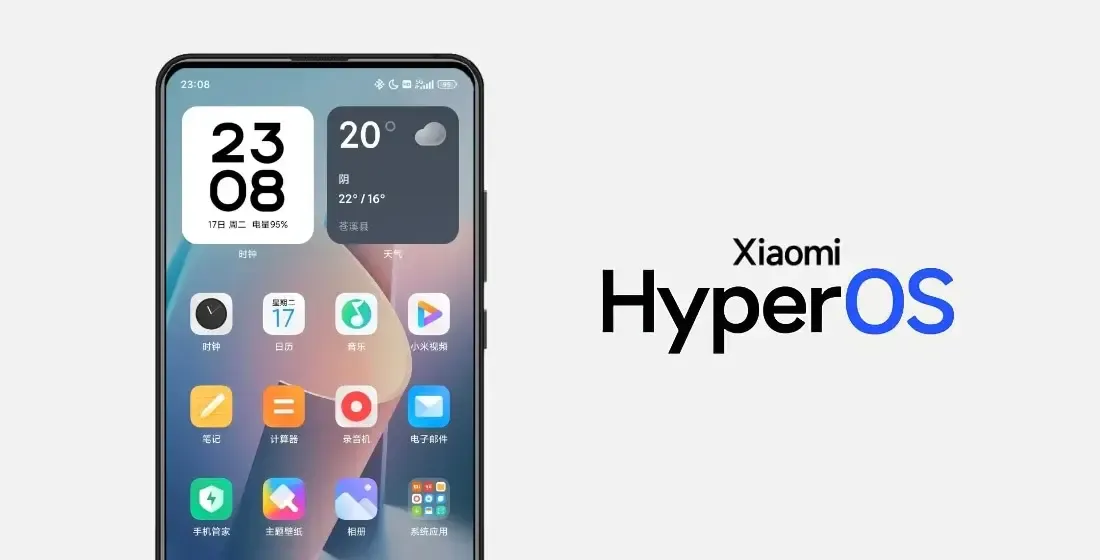
Icons now follow a more unified, rounded aesthetic similar to what we’ve seen on the Xiaomi 15 and Redmi K80 Ultra. Transitions feel cleaner, more consistent, and, frankly, smoother than before. You notice it right away when opening multitasking or dragging an app window around.

AI is playing a bigger role, too. The Pad 7 now has smarter photo sorting, improved text recognition, and better system-level optimization that adapts performance based on usage patterns. It feels like Xiaomi’s subtle way of saying: we’re finally letting the software catch up to the hardware.
Super Island — The Star of the Update
Here’s the part most users are talking about: Super Island.
Yes, it’s inspired by Apple’s Dynamic Island, but Xiaomi’s implementation feels designed for a larger screen. Super Island sits at the top edge of the display and expands contextually — showing quick info such as charging status, timers, or media controls. It’s surprisingly useful during multitasking sessions when you don’t want to jump between apps.
It’s less flashy than it sounds, yet it adds something tablets often lack: a sense of interaction. It quietly integrates function into the flow rather than forcing you to stop what you’re doing.

How It Actually Feels to Use
Performance-wise (according to the first comments from users), this is easily one of the smoothest builds Xiaomi has shipped for its tablets so far. Animations are faster, app retention in memory is better, and touch latency feels lower — though the latter could just be the cleaner frame timing of HyperOS 3.
Battery life seems stable, possibly a little better than before. Heavy users running multi-window apps report fewer background reloads — a good sign that Xiaomi has optimized resource handling.
And yes, the update still keeps the overall HyperOS identity intact — simple according to the style of Xiaomi.
Rollout Details
The global stable version of HyperOS 3 is rolling out in phases, meaning not everyone will see it right away. To check manually, go to:
Settings → About Tablet → System Update.
If your device doesn’t find it yet, give it a few days. Xiaomi tends to stagger major updates to avoid server congestion and last-minute bugs.
Conclusion
HyperOS 3 doesn’t reinvent the Xiaomi Pad 7 — it simply refines it where it matters. The interface feels more alive, the AI features are genuinely useful, and Super Island brings a small but welcome touch of smart design. It’s not a headline-grabbing overhaul, but it’s the kind of update that makes you appreciate Xiaomi’s slow, steady software evolution.
Key Takeaways
- Global rollout of HyperOS 3 (Android 16) is live for Xiaomi Pad 7 users.
- Features Super Island, Xiaomi’s new interactive multitasking tool.
- UI design refreshed with new icons and smoother transitions.
- AI improvements boost photo handling, text recognition, and system fluidity.
- Early reports suggest better multitasking and battery efficiency.
Popular News

Latest News
Loading