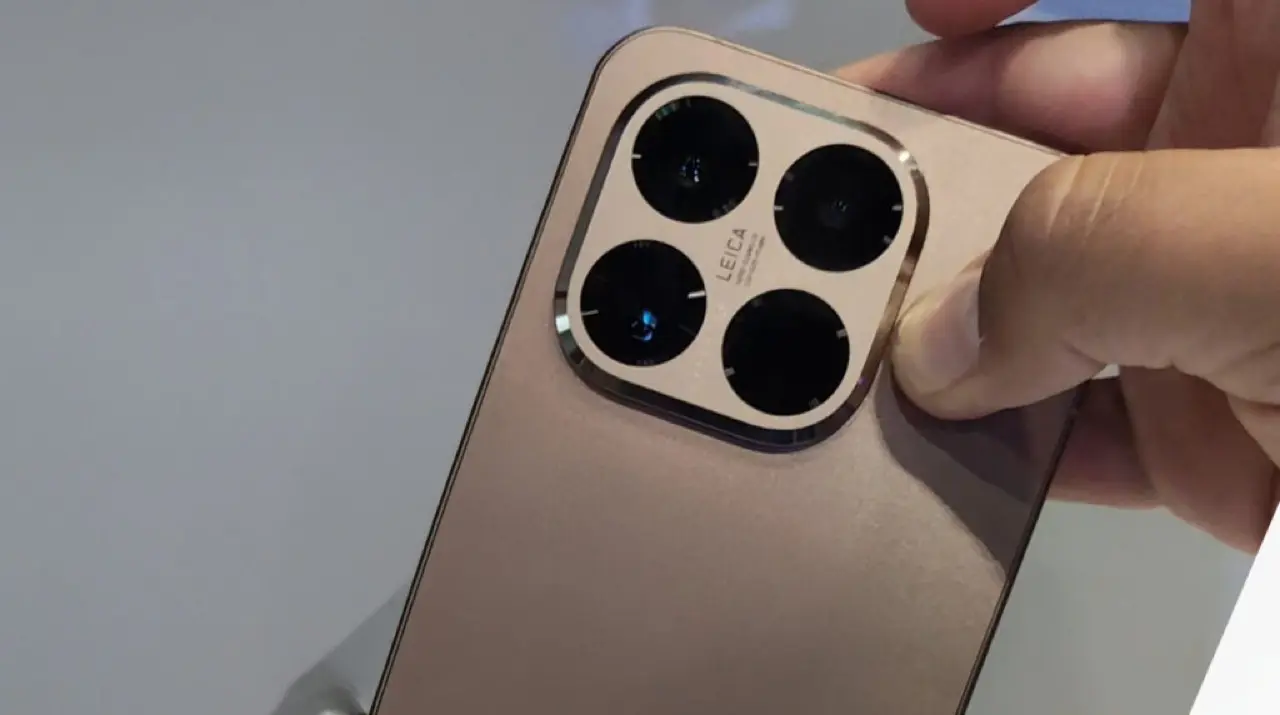
Xiaomi hasn’t made the 15T series official yet, but the phones have already slipped into retail channels. Listings spotted this week reveal the full specs for both the 15T and the 15T Pro, leaving little to the imagination. With stock already in shops, the launch can’t be far off — likely before the end of August.

The move fits Xiaomi’s usual playbook: one model aimed at value-conscious buyers and another built to chase flagship status. Both share some DNA, but there are clear differences in design and performance.
The 15T Pro: Heavyweight Specs
The Pro model is where Xiaomi has put its best foot forward. It’s powered by MediaTek’s Dimensity 9400+, backed by a 5,500mAh battery and 90W fast charging. That’s plenty of muscle, and charging should be quick enough that most users won’t worry about battery anxiety.

The main camera uses a 50MP OmniVision OVX9100 sensor. It’s paired with a 13MP ultra-wide and a 50MP telephoto with 5x optical zoom — a setup that should cover most shooting scenarios without leaning too hard on software tricks. Up front, a 32MP sensor handles selfies and video calls.
The design also leans premium: a curved back, metal frame, and a flat OLED panel with a high refresh rate. Add an IP69 rating and the phone should stand up to dust and water better than most rivals in its class.
The Standard 15T: Practical and Familiar
The regular 15T isn’t stripped down, but it makes different choices. It runs on MediaTek’s Dimensity 8400+, which is less powerful but tuned for efficiency. The same 5,500mAh battery is here, though charging tops out at 67W. That’s still fast by most standards.
Cameras are similar to the Pro — 50MP main, 13MP ultra-wide, 50MP telephoto — so buyers don’t lose much in photography. The 32MP selfie camera is unchanged too.

Where it diverges is in the build. The phone uses a flat back and plastic frame, which helps cut costs, and — unusually for 2025 — keeps a 3.5mm headphone jack. That small detail may win over buyers who still prefer wired audio.
Global Availability
IMEI records point to a broad release across Europe, Turkey, Indonesia, Taiwan, Russia, and Japan. In other words, this is no limited drop. Xiaomi clearly wants the 15T series to land in as many markets as possible.
The split approach — one practical model, one premium — is exactly what Xiaomi has done before, and it seems to work. The only thing left now is the official launch date, but with phones already in stores, the wait shouldn’t be long.
Popular News
Latest News
Loading