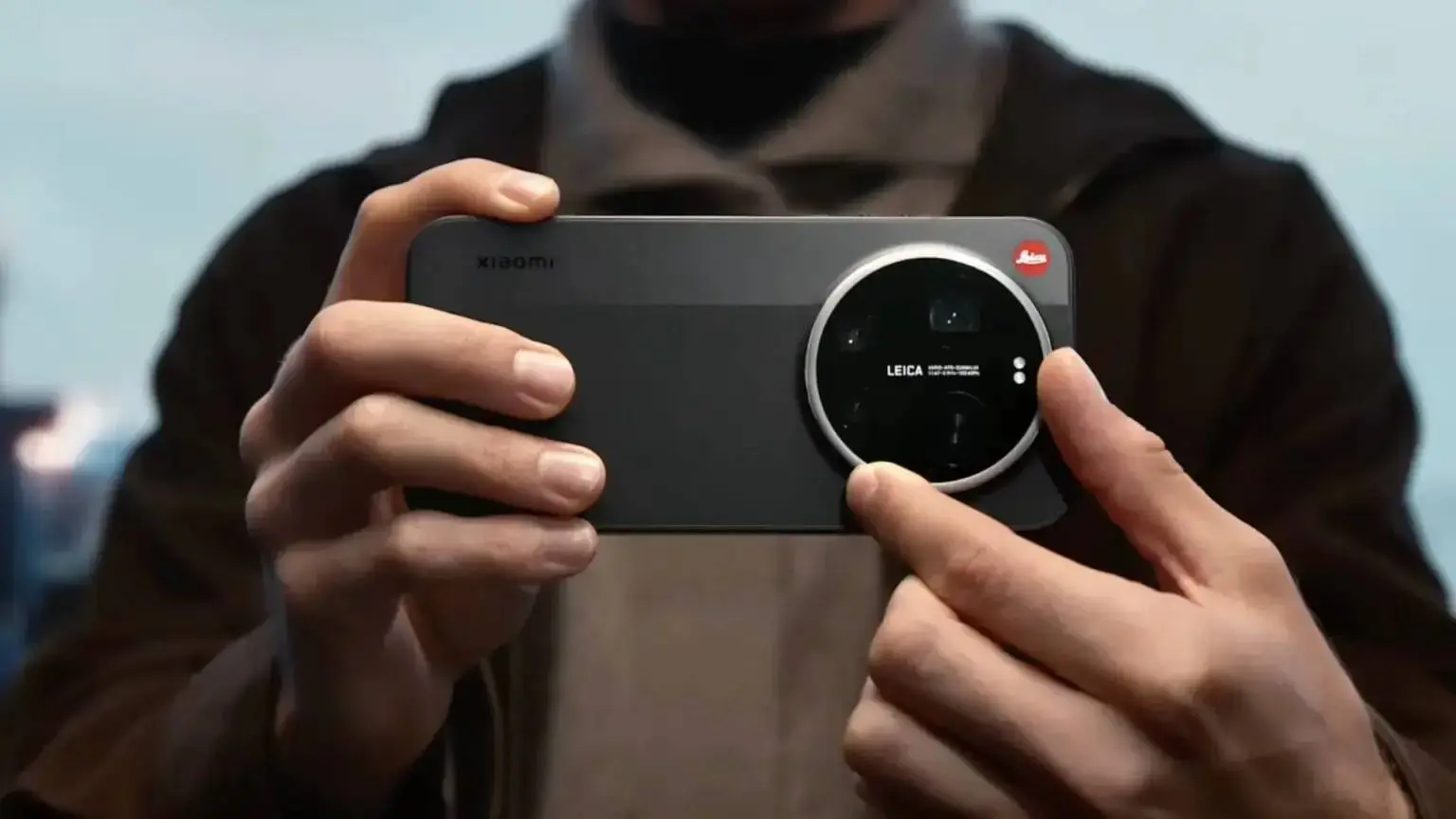
The codename is confirmed. The launch window may not be September after all.

Summary
- The Xiaomi 18 appeared in the GSMA IMEI database under the codename "madrid" with four regional model numbers — 2611FPNFAR (China), 2611FPNFAG (India), 2611FPNFAI (Global), and M154FF (Japan) — confirming Xiaomi is targeting a broader international rollout than the 17 series received at launch.
- The "2611" prefix in the model number is Xiaomi's standard timing code — and based on established patterns, 2611 points to a November 2026 launch window, not the September window that earlier leaks had suggested.
- The "madrid" codename's final product identity remains unresolved: Xiaomi's previous internal numbering assigned this position to a Pro model, but Mi Code analysis indicates the company may have changed its numbering strategy, potentially making "madrid" the standard Xiaomi 18.
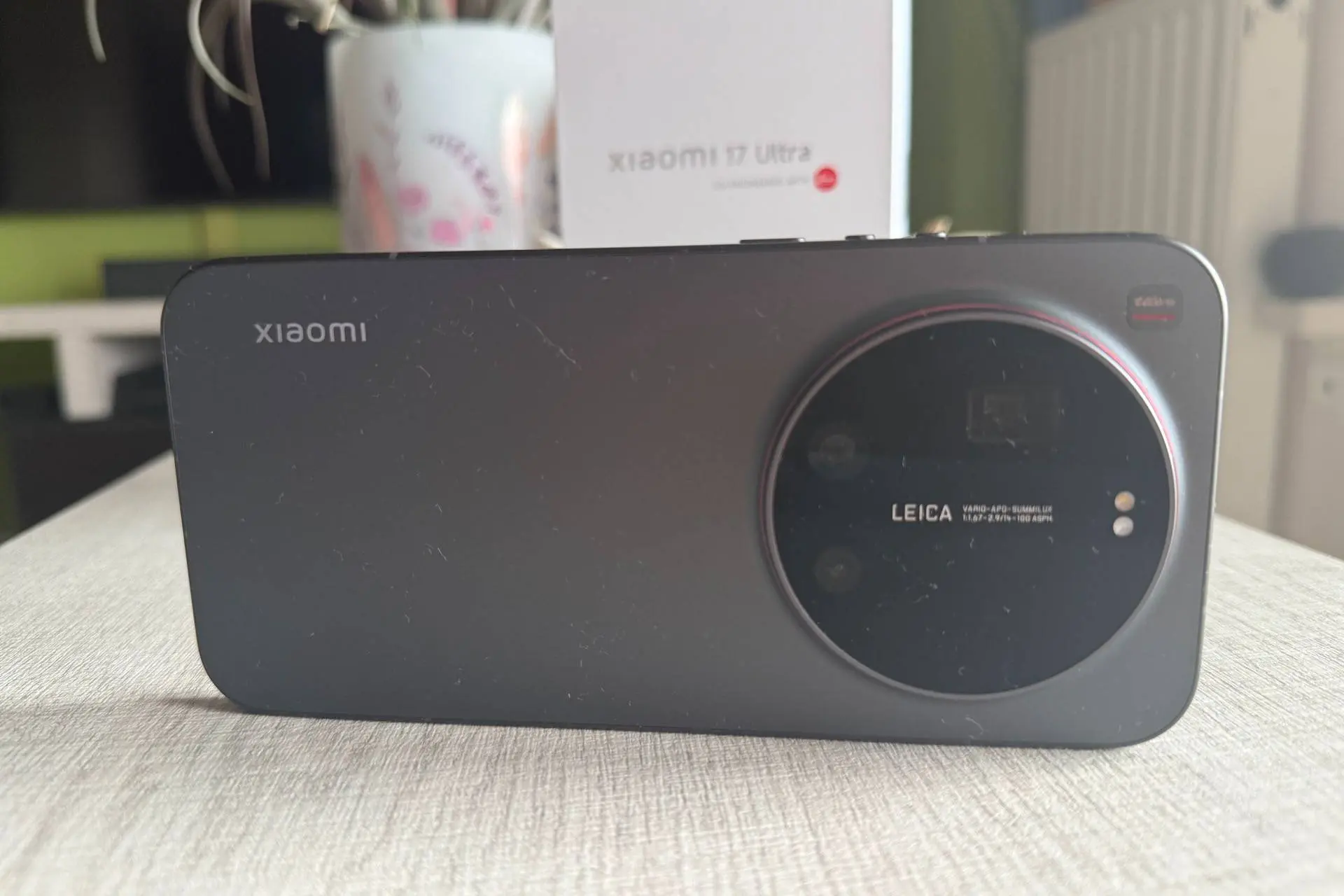
- The Xiaomi 18 Ultra appears increasingly unlikely to launch — cost considerations from rising component prices have reportedly led Xiaomi to reconsider the Ultra SKU, with no confirmation it will ship at all.
- The Xiaomi 18 series is expected to be powered by Qualcomm's Snapdragon 8 Elite Gen 6 on a 2nm TSMC process, with LPDDR6 RAM, a 6.3–6.4 inch compact display, and the Xiaomi 18 Pro expected to carry a second-generation Magic Back Screen.
The 2611 model number prefix is Xiaomi's timing fingerprint — and it's now pointing every credible analyst to November 2026, not September. If that shift holds, the Xiaomi 18 avoids a September collision with the Vivo X500 and Redmi K100 but arrives just as Apple's iPhone 18 Pro is settling into retail. That's a different competitive landscape entirely.
What the IMEI Database Actually Tells Us
GSMA IMEI registration is a mandatory step before any device can be commercially activated on a mobile network. Finding multiple regional variants of a device in the database simultaneously — China, India, Japan, and global — at this stage tells you Xiaomi is moving through the certification pipeline actively, not just beginning development. This is months-to-launch territory, not years-out exploration.
The multi-region simultaneous appearance is also notable. The Xiaomi 17 Ultra, by comparison, stayed China-only for its initial launch cycle. The presence of global and India variants for "madrid" from the start suggests Xiaomi plans a broader launch footprint for the 18 series than its immediate predecessor.
Read also
The September-to-November Shift
Earlier in 2026, the Xiaomi 18 was firmly rumored for September — a launch window that would put it head-to-head with Vivo X500 and Redmi K100. The 2611 prefix now disrupts that narrative. If November is accurate, Xiaomi avoids internal cannibalization with its own Redmi lineup while moving into a window where the primary competition is Samsung's Galaxy S26-era devices and Apple's iPhone 18 settling into post-launch retail momentum. That competitive positioning is meaningfully different — and may be more favorable.
The Ultra Question
The Xiaomi 18 Ultra's status is the most consequential uncertainty in the lineup. The Ultra has historically been Xiaomi's highest-profile global launch product — the flagship that competes directly with Galaxy S Ultra and iPhone Pro Max. Its potential cancellation, driven by memory cost pressures that have pushed component prices to uncomfortable levels for a premium SKU, would leave the lineup structure with a Pro Max at the top rather than an Ultra. Whether that changes global buyers' perception of the 18 series depends significantly on how well-specced the Pro Max turns out to be.
Popular News
Latest News
Loading