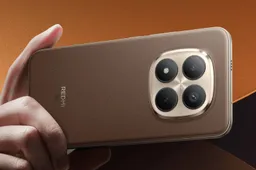
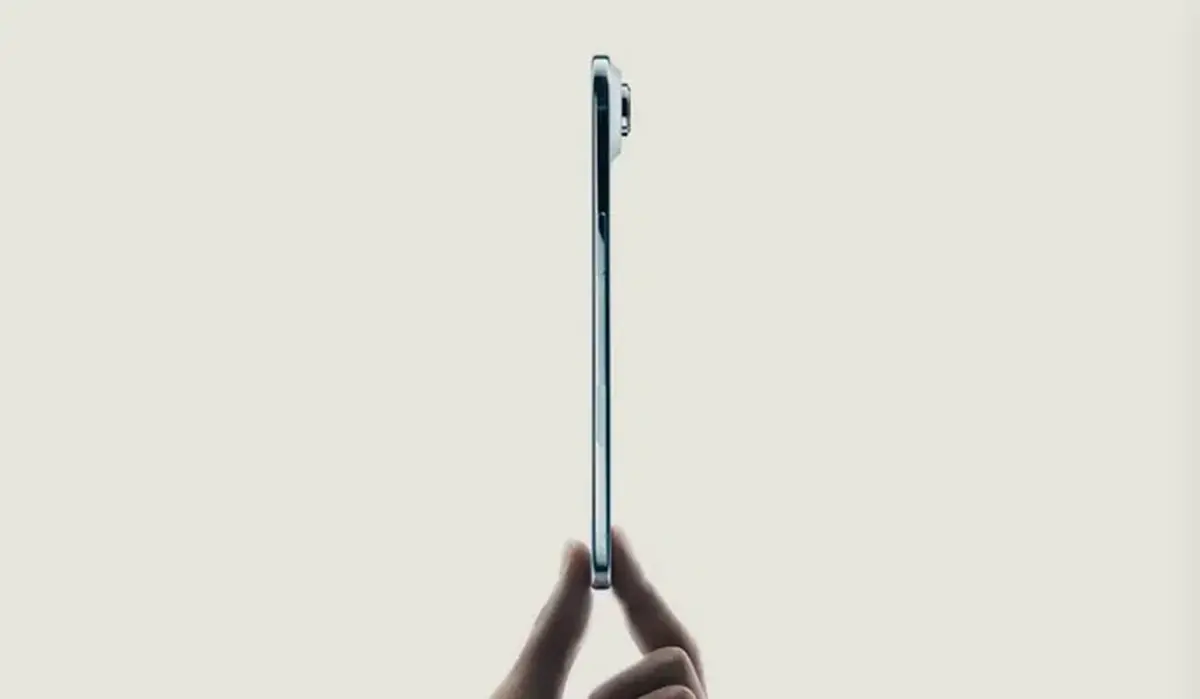
The project was real. A 5.5mm prototype existed. It nearly reached mass production.
Summary
- Xiaomi President Lu Weibing confirmed during a May 16 livestream that the company developed an ultra-thin smartphone to rival the iPhone Air — reaching near-mass-production status before cancelling it due to unacceptable compromises in battery life and thermal performance.
- The cancelled prototype measured 5.5mm thick and would have featured dual cameras and premium materials, but the Snapdragon 8 Elite Gen 5 chip runs too hot for a 5.5mm chassis without a vapor chamber, making sustained performance impossible to guarantee.
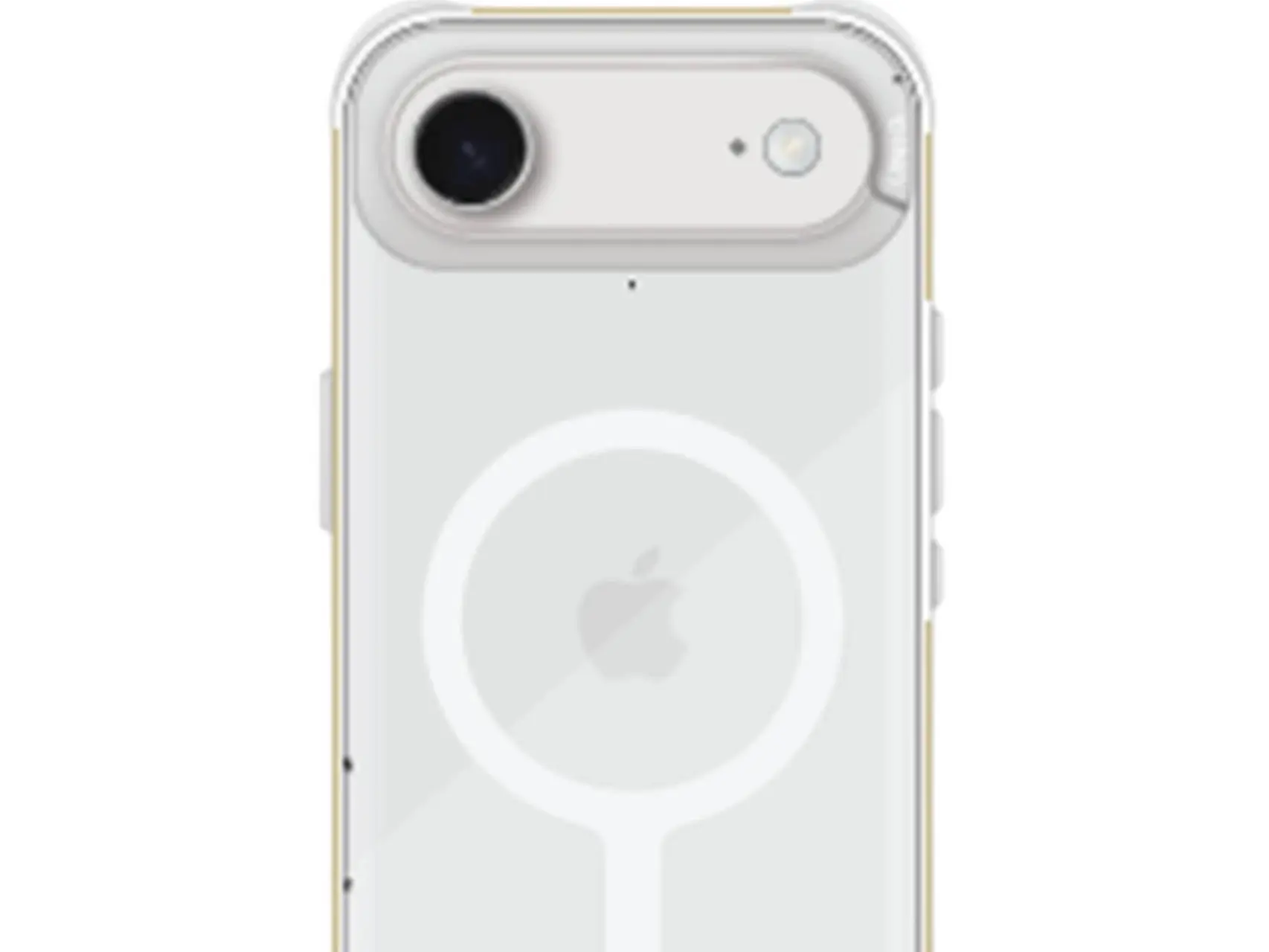
- Apple's iPhone Air commercial difficulties appear to validate the decision — MacRumors reported Apple cut iPhone Air production capacity by 80% after surveys found virtually no demand for the $999 device, which ships with one camera and a 3,149mAh battery.
- In place of an Air-style device, Xiaomi is launching the 17 Max — a full-power flagship with an 8,000mAh battery, 200MP Leica camera, and Snapdragon 8 Elite Gen 5 — framing the Max category as a comprehensive upgrade across imaging, performance, and battery, not just a size increase.
- Lu explained the philosophical difference between "Max" and "Plus" directly: Plus historically meant a bigger screen on the same base hardware, while Max means an across-the-board hardware upgrade accompanying the larger display.
"Lu Weibing put it plainly: the thinner the device becomes, the harder it is to include large batteries, proper cooling systems, and high-performance hardware without affecting daily usability — and Xiaomi wasn't willing to ship a product that looked impressive but compromised on real-world use."
The Prototype That Almost Made It
A 5.5mm smartphone housing the Snapdragon 8 Elite Gen 5 is not an engineering impossibility — it's an engineering trade-off. The chip generates significant heat under sustained load, and vapor chamber cooling requires physical depth to function. At 5.5mm, there simply isn't enough interior volume for the cooling architecture the chip needs to maintain performance during extended gaming or video recording sessions. Xiaomi's engineers found the thermal ceiling too low and the battery capacity too constrained to meet the company's internal standards.

The decision to cancel near mass production is the revealing part. Tooling had been finalized, supply chain engaged, and production lines prepared. Walking away at that stage carries real cost. Xiaomi absorbed it rather than ship a product that would have underperformed.
Read also
Apple's Numbers Did Xiaomi a Favour
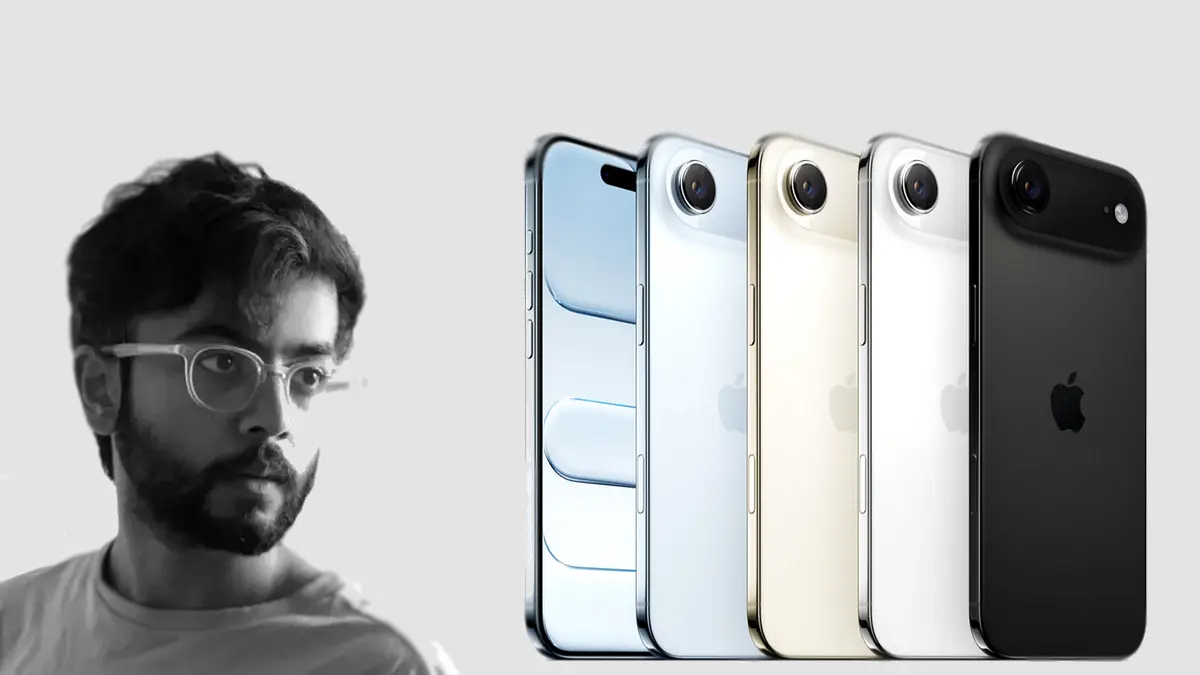
The iPhone Air's 80% production cut following weak demand surveys is the external data point that makes Xiaomi's cancellation look foresighted rather than cautious. The $999 device's single camera and 3,149mAh battery are precisely the compromises Lu Weibing described as unacceptable. Apple shipped them anyway. The market's response was telling. I suppose Xiaomi's product team is watching Apple's Air numbers with some satisfaction right now.
Digital Chat Station previously reported that slow market performance of ultra-thin flagships had already forced at least one major Chinese brand to suspend its own Air-style project — a report now confirmed as referring to Xiaomi.
What Max Actually Means
The reframing from Plus to Max is more than naming. Xiaomi is telling buyers that the 17 Max is not a stretched version of the standard model. It's a device with a meaningfully different bill of materials — bigger battery, better cameras, upgraded cooling — that happens to also come in a larger chassis. The distinction matters for buyers deciding between spending up for the Max or staying with the standard 17. This isn't a size choice. It's a capability choice.
Popular News

Latest News
Loading