Xiaomi Is Warning That Chinese Flagships Could Cross ~$1,400 - Who's gonna buy them?
Xiaomi NewsSunday, 17 May 2026 at 09:33
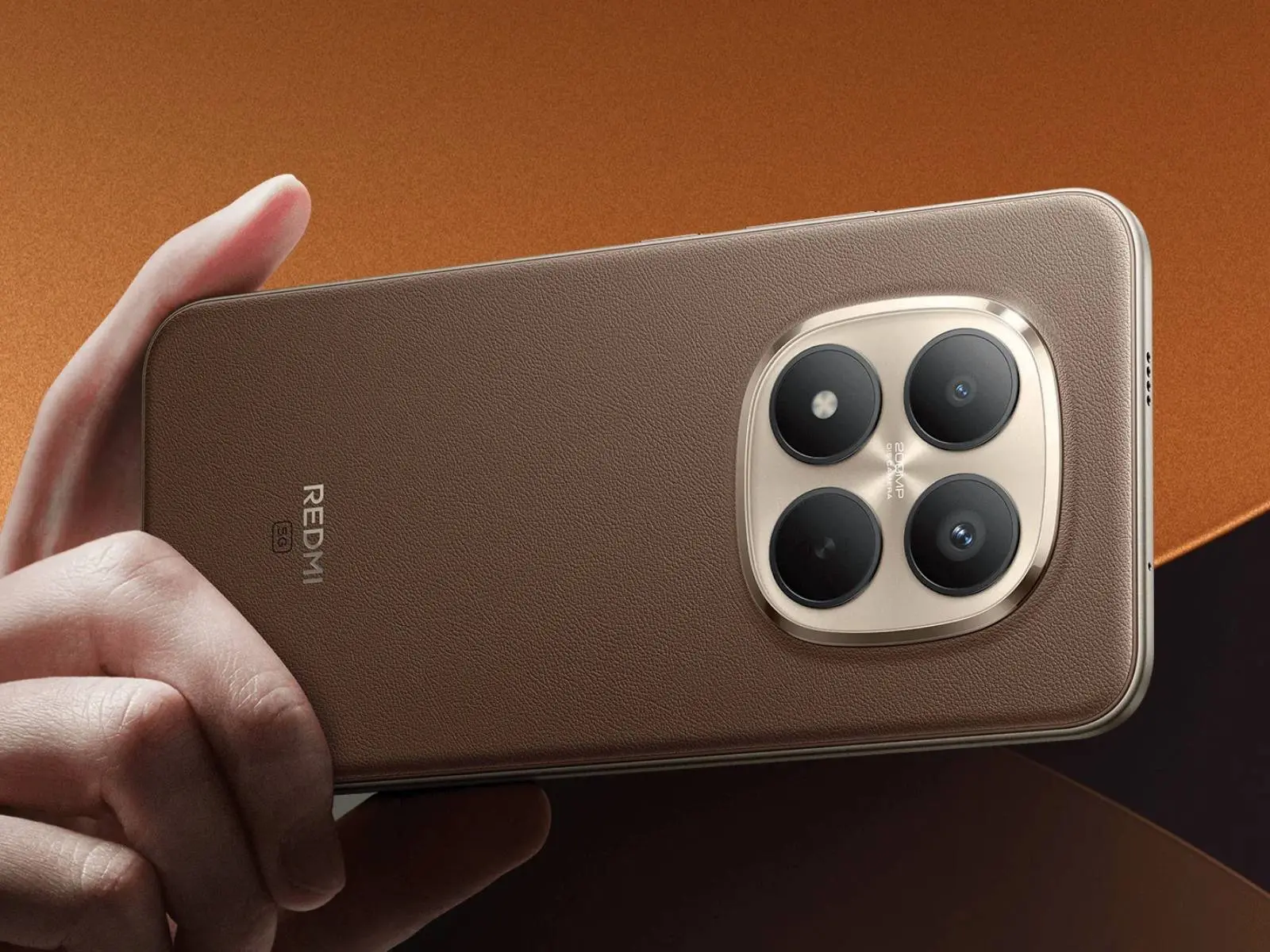
This isn't speculation. The price increases have already started.

Summary
- Xiaomi President Lu Weibing stated during a livestream that top-tier flagship smartphones in China could cross the 10,000 yuan ( ~$1,400) mark in the second half of 2026, driven by sustained DRAM and NAND flash price increases that manufacturers can no longer fully absorb.
- Memory costs for a 12GB/512GB configuration have already surged nearly fourfold compared to Q1 2025, adding roughly 1,500 yuan to Xiaomi's production cost for that configuration alone — a figure Lu Weibing described as exceeding internal expectations.
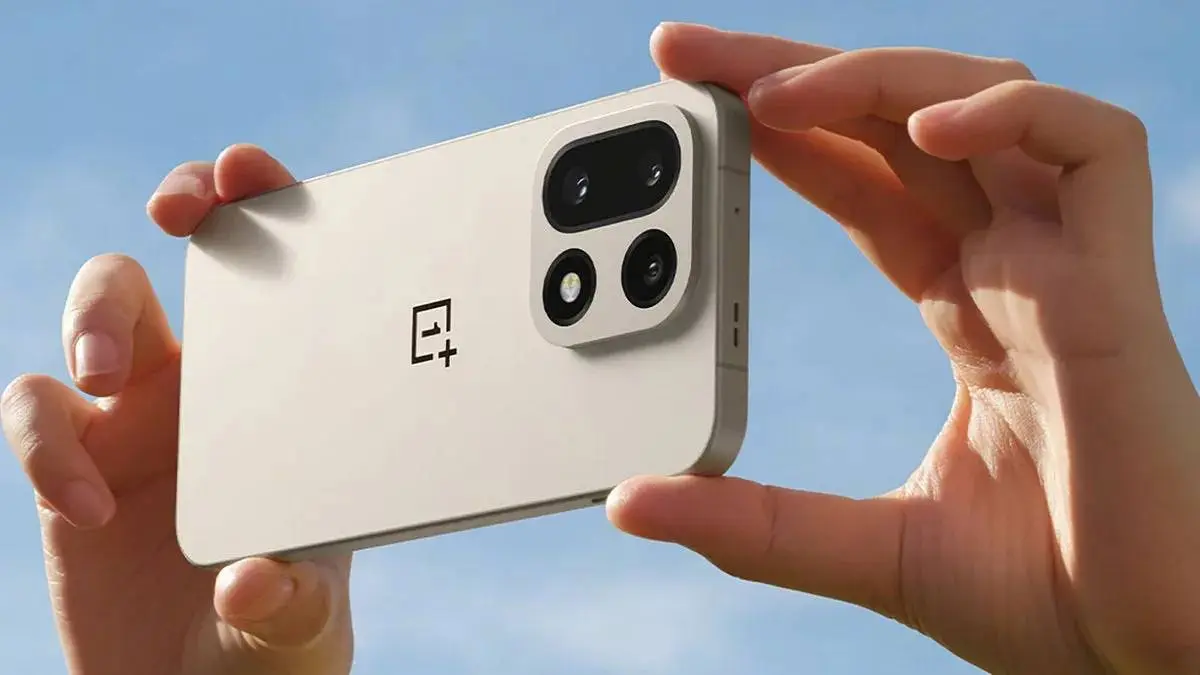
- The price increases have already hit the market: Xiaomi raised prices on the Redmi K90 Pro Max and Turbo 5 series in April, while OPPO, OnePlus, Vivo, iQOO, and Honor have all announced increases of 500 to 1,000 yuan on select models. NPR
- The root cause is AI infrastructure demand — global AI server shipments are projected to grow over 28% year-on-year in 2026, drawing DRAM and HBM supply away from consumer electronics and into data centers, where margins are significantly higher.
- Lu expects memory pricing pressure to persist through 2027 and possibly into 2028, with new production capacity too far away to meaningfully relieve current shortages during this cycle.
"Lu Weibing put the number in stark terms: memory costs for the same 12GB/512GB configuration now cost Xiaomi roughly 1,500 yuan more to source than they did a year ago — a nearly fourfold increase that makes the company's traditional value pricing formula impossible to maintain."
Why 10,000 Yuan Matters So Much
There is a longstanding price ceiling in China's smartphone market at around 10,000 yuan, beyond which Android flagships have historically struggled to compete with Apple's iPhone. Chinese brands built their premium reputations by offering specifications that matched or exceeded the iPhone at 6,000 to 8,000 yuan. Crossing 10,000 yuan collapses that comparative value narrative and puts domestic brands in a different psychological bracket entirely — one where iPhone comparisons favor Apple rather than the challenger.
If Xiaomi, OPPO, or Vivo cross that threshold, they aren't just raising prices. They're repositioning entirely. Whether consumers follow is a genuinely open question in a market that has been built on aggressive value pricing for a decade.
The AI Infrastructure Connection
This isn't a straightforward supply crunch. Memory manufacturers including Samsung, SK Hynix, and Micron have been prioritizing HBM production for AI accelerators, where margins are significantly higher than for the LPDDR and NAND used in smartphones. They aren't going to reverse that decision voluntarily while AI infrastructure spending continues at its current rate. IDC projects global smartphone shipments will fall by approximately 12.9% in 2026 — a demand contraction that would normally pressure component prices downward. It hasn't, because data center demand is absorbing everything that consumer electronics loses.
The Xiaomi 17 Max as a Test Case
Lu mentioned during the same livestream that even the Xiaomi 17 Max's pricing is still being discussed internally because component costs remain volatile. A phone already teased and approaching launch shouldn't still have an undecided price tag — the fact that it does tells you how unstable the cost environment currently is. The 17 Max's final number will serve as a market signal for what the second half of 2026 pricing looks like across the premium Chinese Android segment.
Popular News


Latest News
Loading