Xiaomi Pad 9 Battery Revealed in HyperOS Code — But There's a Catch
Xiaomi NewsMonday, 22 June 2026 at 09:21
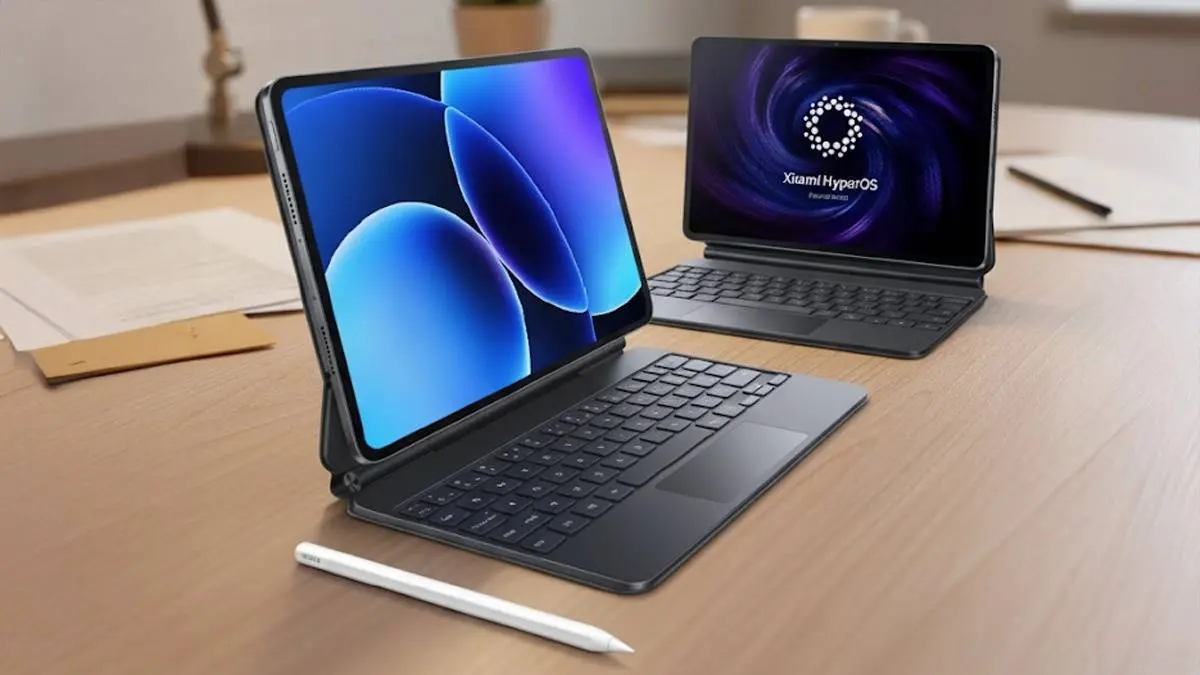
Xiaomi's next flagship tablet is already showing up in HyperOS code, and developer Kacper Skrzypek has pulled out the first concrete spec: the standard Xiaomi Pad 9 will pack a 9,720mAh battery. That's a meaningful step up from the Pad 8's 9,200mAh cell. The model number — M656BA, with a "2610" prefix — hints at an October launch window, though a China debut as early as August is increasingly plausible. Alongside the Xiaomi 18 series, possibly.

Summary
- HyperOS code reveals the Xiaomi Pad 9 (model M656BA) will pack a 9,720mAh battery, up from the Pad 8's 9,200mAh.
- The standard Pad 9 carries the internal codename "donghai" (East Sea); the Pro version is codenamed "shuntian." Both share firmware links with Pad 8 internals, suggesting a platform carry-over rather than a complete redesign.
- The Pad 9 is tipped to retain the Snapdragon 8s Gen 4, while the Pad 9 Pro upgrades to Snapdragon 8 Gen 5 (Snapdragon 8 Elite Gen 5).
- A China launch in August or October 2026 is expected, possibly alongside the Xiaomi 18 series — mirroring how the Pad 8 debuted with the Xiaomi 17 family.
- India will likely get the standard Pad 9 but not the Pro edition, per reports from December.
What the Code Actually Tells Us
The model number prefix "2610" follows Xiaomi's standard internal dating convention, where the first two digits indicate the year and the next two the intended launch month. That points to October 2026. But Xiaomi has launched products ahead of their model number schedule before, and iGeekphone's sources now suggest August is the more likely China debut window — timed around HyperOS 4's unveiling and potentially the Xiaomi 18 launch event.

What's more notable is what the firmware linkage suggests. Developer Kacper found that the Pad 9's codename "donghai" shares strong firmware ties with "yupei" — the internal name for the Xiaomi Pad 8. That's a meaningful signal. The Pad 9 may not be a ground-up redesign so much as a refined iteration on the same hardware platform: updated battery, potentially revised display tuning, new storage configs, and HyperOS 4 out of the box. For existing Pad 8 owners, that's worth knowing before getting too excited.
The Two-Chip Strategy
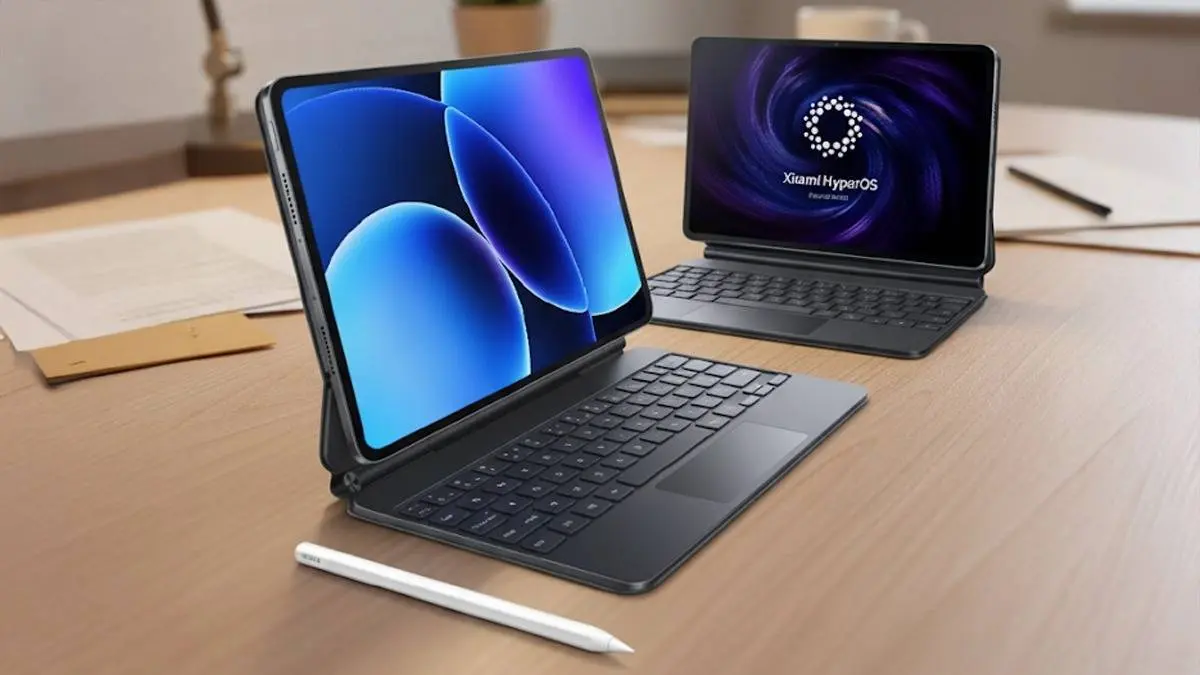
The chipset split between the standard and Pro models follows the same logic Xiaomi used with the Pad 7 and Pad 8 series. The base Pad 9 keeps the Snapdragon 8s Gen 4 — the same chip powering the Pad 8 — while the Pad 9 Pro steps up to the Snapdragon 8 Elite Gen 5. That gap is large enough to matter in sustained workloads and gaming, and it's also large enough to justify the price differential between the two. I suppose the question is whether a shared hardware platform with the Pad 8 makes the base Pad 9 compelling enough for existing owners to upgrade.
"The Pad 9's firmware shares deep ties with the Pad 8's codebase — which could mean faster HyperOS updates and a more polished launch experience, or it could mean the upgrade is incremental enough to skip."
India Gets One, Not Both
The global availability picture is cleaner for the standard Pad 9 than for the Pro. The base model is expected to reach China, EEA, Turkey, India, Indonesia, Taiwan, and Russia. The Pro edition is a different story — reports from late 2025 pointed to India being excluded from the Pad 9 Pro's distribution. That's consistent with Xiaomi's pattern of keeping its highest-tier tablet hardware closer to home. For international buyers who want the Snapdragon 8 Elite Gen 5 experience on a Xiaomi tablet, import routes or rebranded variants may be the only path.
Battery, chipset, and India availability are now in focus. Display specs, RAM configs, and pricing are still missing. Expect more details as the presumed August launch window approaches.
Popular News
Latest News
Loading