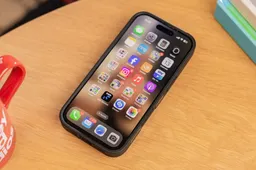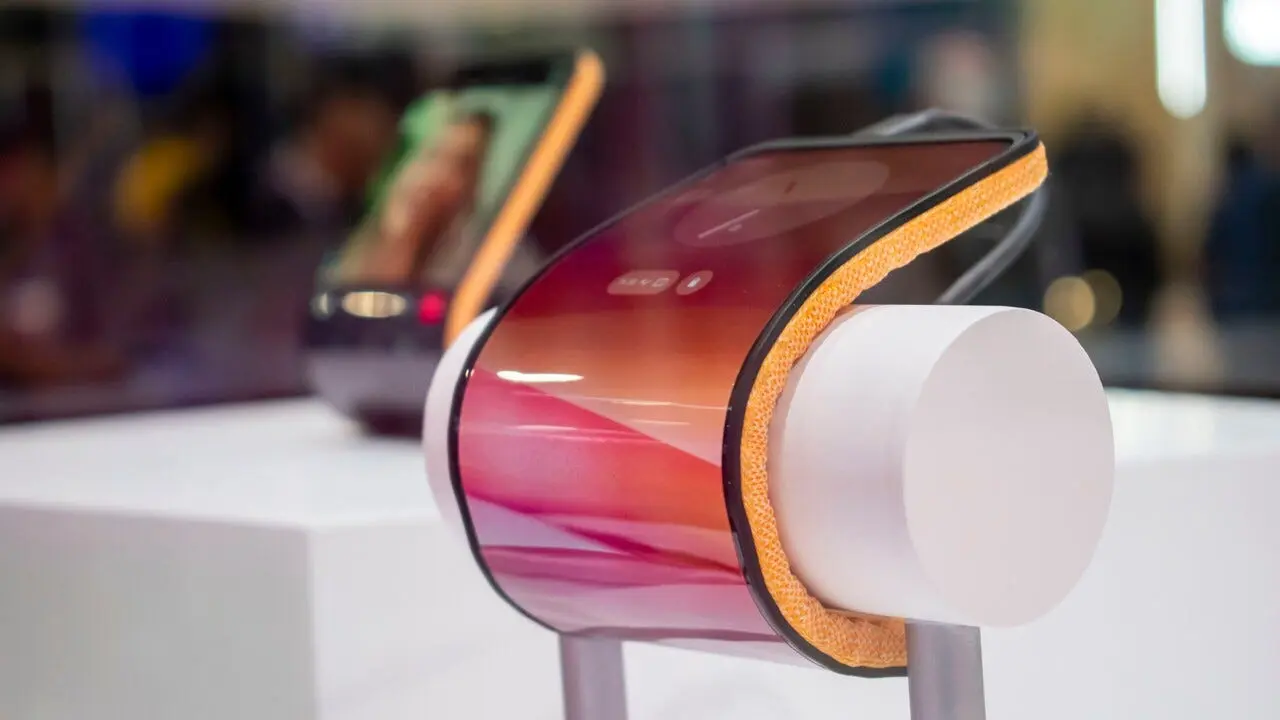
Not long ago, phone launches were... electric. There was a big sentiment around every new release. Bigger displays changed how we watched videos, fingerprint sensors replaced PINs, and 4G made streaming a normal experience. Each release pushed the limits. Today, that energy is missing. The Galaxy S25, Pixel 10, Xiaomi 15, and others are excellent but predictable. Unfortunately, despite the advanced smartphone hardware, some phones simply feel stuck.
The Smartphone Hardware Has Hit Its Ceiling
The truth is simple: smartphones are already too powerful. There are a good number of three-year-old device that still handles TikTok, Netflix, gaming, and productivity apps without struggle. Doubts? The Snapdragon 8+ Gen 1, from three years ago, is still a monster in terms of performance. As long as you can run updated software, most of the devices with it won't feel outdated.

The usual annual boosts of 10 to 15% in performance are hardly noticeable. Displays is another spot that clearly hit the limit; it faces the same issue. Brighter screens and faster refresh rates are welcome, but they are minor improvements rather than significant leaps forward. Don't get me wrong, most of us love bright displays with a crispy and smooth refresh rate. But in most cases, we're seeing improvements that won't be noticeable to regular users.
Cameras Are Good - Even in Midrange smartphones
Cameras drove the last wave of innovation. Yet they, too, have reached a point of diminishing returns. Differences between the previous year’s flagship and this year’s model are small: slightly better shadows, a bit more detail in low light. Marketing still highlights megapixels and extra lenses, but most modern phones already take excellent photos.

Back in the days, the gap between mid-range phones and flagships were huge. However, this changed now. While flagships keep getting "super-duper" camera hardware, mid-range phones are getting yesterday's flagship camera specs - and surprise? They're still good. Modern mid-range smartphones even come with OIS - a feature that was strictly-limted to flagship a coupole of years ago.
Design Probably Is the Most Boring Aspect
The smartphone hardware is updated every year, but the design no longer brings surprises. Today’s devices are thin, polished, and durable, but they remain glass rectangles in most cases. Titanium frames and curved edges are stylish yet do not change how we interact with them.

The basic shape of the smartphone has been the same for over a decade. The difference is mostly in the design of the camera, which is when the smartphone decides to play with the unusual rather than adopt common design choices. In this particular aspect, Chinese smartphone makers are the ones trying different designs every year.
There Is Still a Good Side in This Slowdown
Despite all the "boring" aspects of the lack of innovation or "electricity" in new releases. The lack of innovation is not a failure. For some users, that might be a good thing, and don't get me wrong about this. A Galaxy S20 or iPhone 13 still runs smoothly today, proving that phones last longer than before. People now keep their devices for four or five years instead of chasing every upgrade. That change saves money and gives more value to what we already own. While planned obsolescence still exists, the growing software support and advanced hardware milestones allow people to keep some smartphones for longer than before.
Less Waste, More Support
The longer lifespan for smartphone hardware also reduces e-waste. For years, the industry has pushed constant upgrades, resulting in endless piles of discarded devices. Now, extended software support and hardware that won't feel outdated permit some phones to stay useful for far longer. The slowdown aligns with both consumer needs and sustainability goals.
With hardware leveling off, some brands are finding the balance with good software support. Perhaps, it's just the nostalgic feelings of big releases like the reveal of the first iPhone, or the surprising Galaxy Note or Note Edge reveal, that make us ask for more "electric" launches. But in the end, smartphones became commonplace, and it's hard to impress or find new tech breakthroughs.
The Rise of the Midrange
This shift also opens the door for affordable phones. Midrange models now rival premium devices in speed, display, and camera performance, often at half the cost. This levels the playing field and makes advanced tech accessible to more people than ever before.

Flagships keep pursuing numbers to impress. Yesterday's flagship might not be the best for the current market, but it is still a solid contender that could easily become a decent choice for a new mid-range phone.
Read also
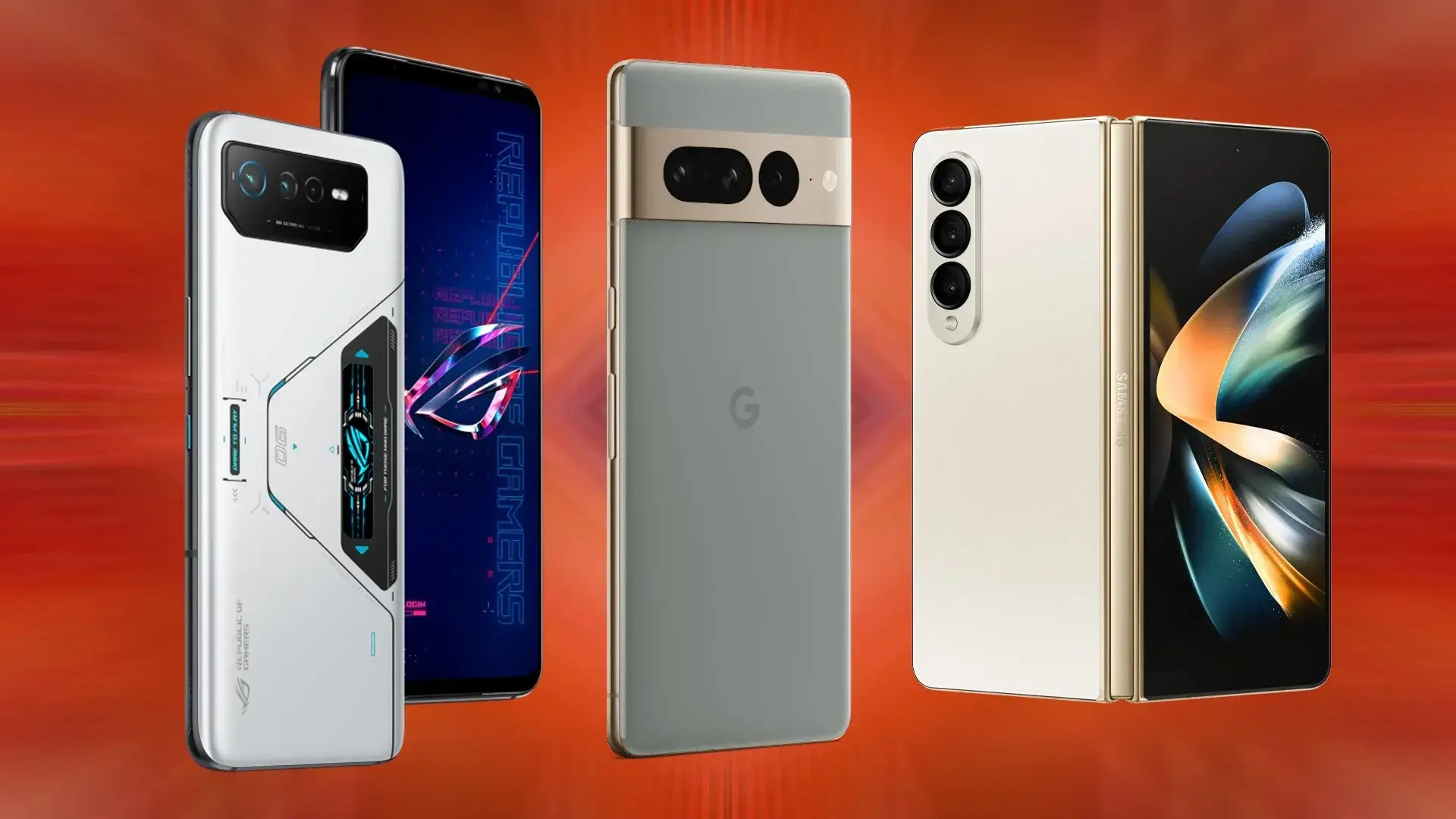
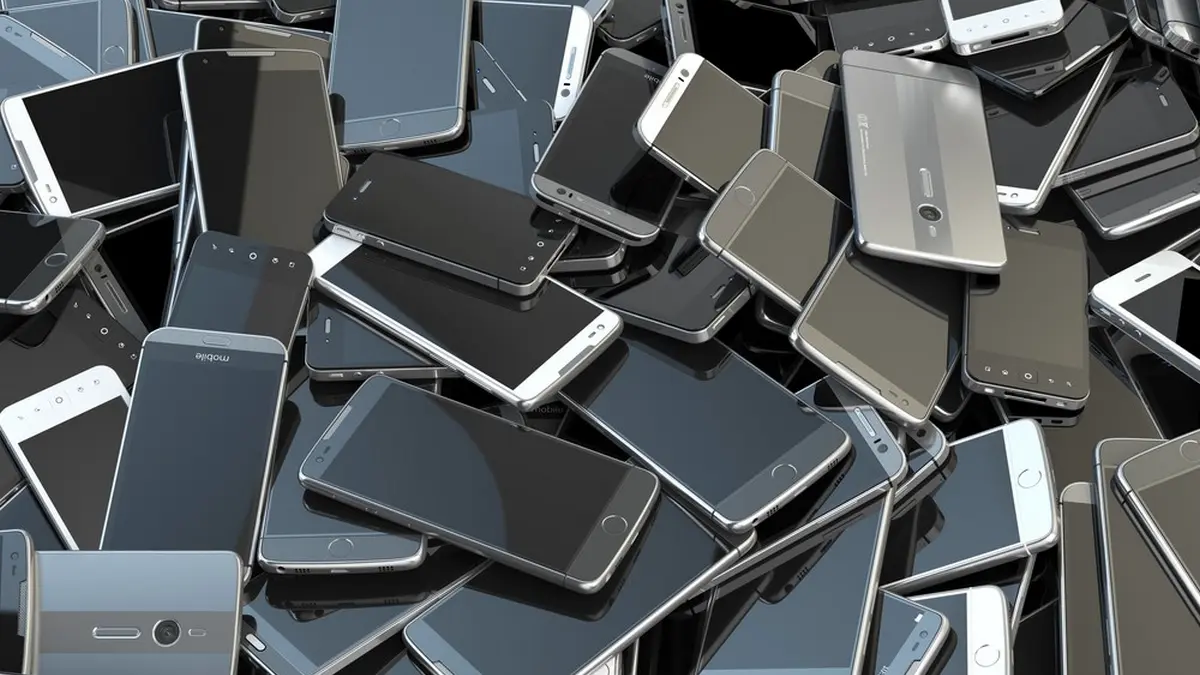
While it's not usual for brands to reuse old flagship chips in their smartphones, due to high costs and limited supply, the old tech that made flagships cool will eventually hit the mid-range market, making them better every year. The 2025 mid-range phones easily feel better than a flagship from four years ago.
The New Test for Phone Makers
The challenge for Apple, Samsung, and others is no longer to invent flashy features. It is to make small but meaningful changes that improve how we use our devices every day. Smartphones may feel boring, but they have finally matured into stable, reliable tools that work exactly as intended.
Popular News
Latest News
Loading