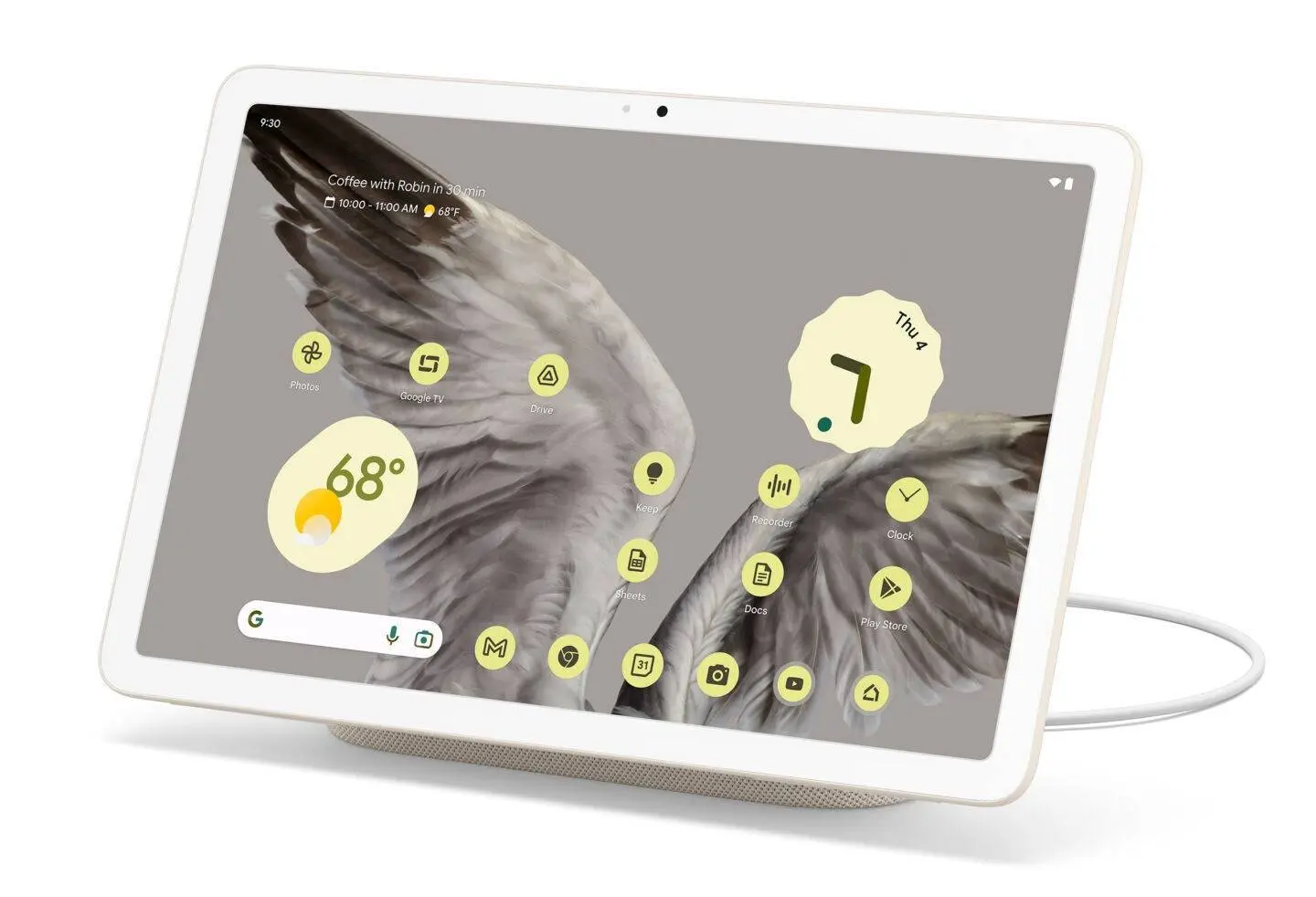
Google has finally said out loud what most people already assumed - it’s done making tablets, at least for the moment. The company told Bloomberg that it has no new Pixel models in the works and won’t return to the category until it sees a real future for it.
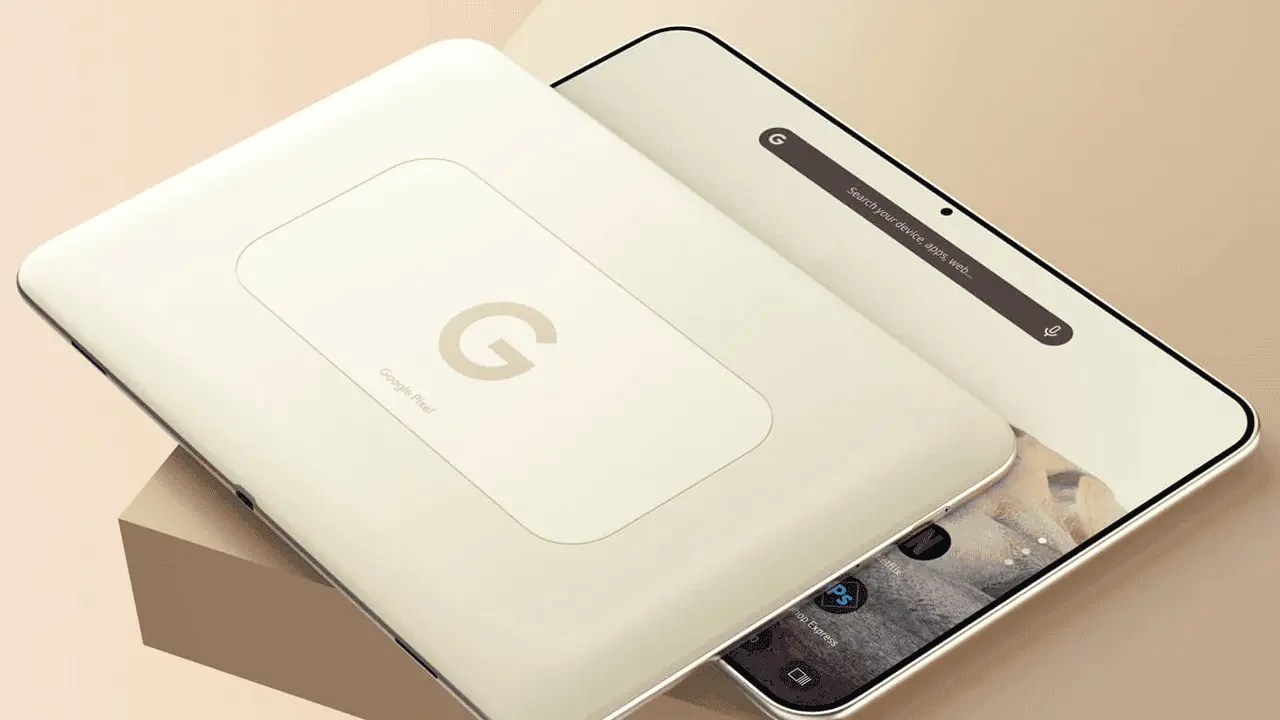
That admission comes two years after the Pixel Tablet launched in 2023. At the time, it looked like the beginning of a long-term effort. Leaks even suggested two more versions were on the way. Both were quietly scrapped before they ever left the lab.

Why Google Walked Away
Officially, Google’s position is that people don’t carry much more than their phones. In other words, tablets don’t have a strong place in day-to-day life. It’s a convenient explanation, but it doesn’t line up with the reality of the market. Apple’s iPad is still one of the company’s best-selling products. Samsung continues to invest in its Galaxy Tab line. Neither company seems to think the category is fading.
Google’s problem has always been software. The Pixel Tablet itself wasn’t bad hardware. What held it back was the Android experience. Apps still feel like phone software stretched onto a larger display. Even after Google pushed developers to adapt, the results were inconsistent. By comparison, iPadOS feels polished, and Samsung’s software features make its tablets useful as productivity tools, not just streaming screens.
What It Means for Buyers
If you were waiting for the next Pixel device, you can stop. There isn’t one coming. For now, the choice is simple: iPad if you want the most complete ecosystem, Galaxy Tab if you prefer Android. Both will keep evolving while Google sits on the sidelines.
Looking Ahead
Google hasn’t closed the door completely. It left just enough room to return one day if it can offer something more compelling. But until then, the Pixel Tablet is likely the last word. It’s a reminder that even a company with Google’s resources can stumble, especially in markets where competitors have already figured out the formula.
Popular News
Latest News
Loading