A few days ago, Google officially launched the Pixel
10 Pro Fold. This launch came many weeks after unveiling it alongside the Pixel 10,
Pixel 10 Pro, and Pixel 10 Pro XL in August.

To mark the release, the company
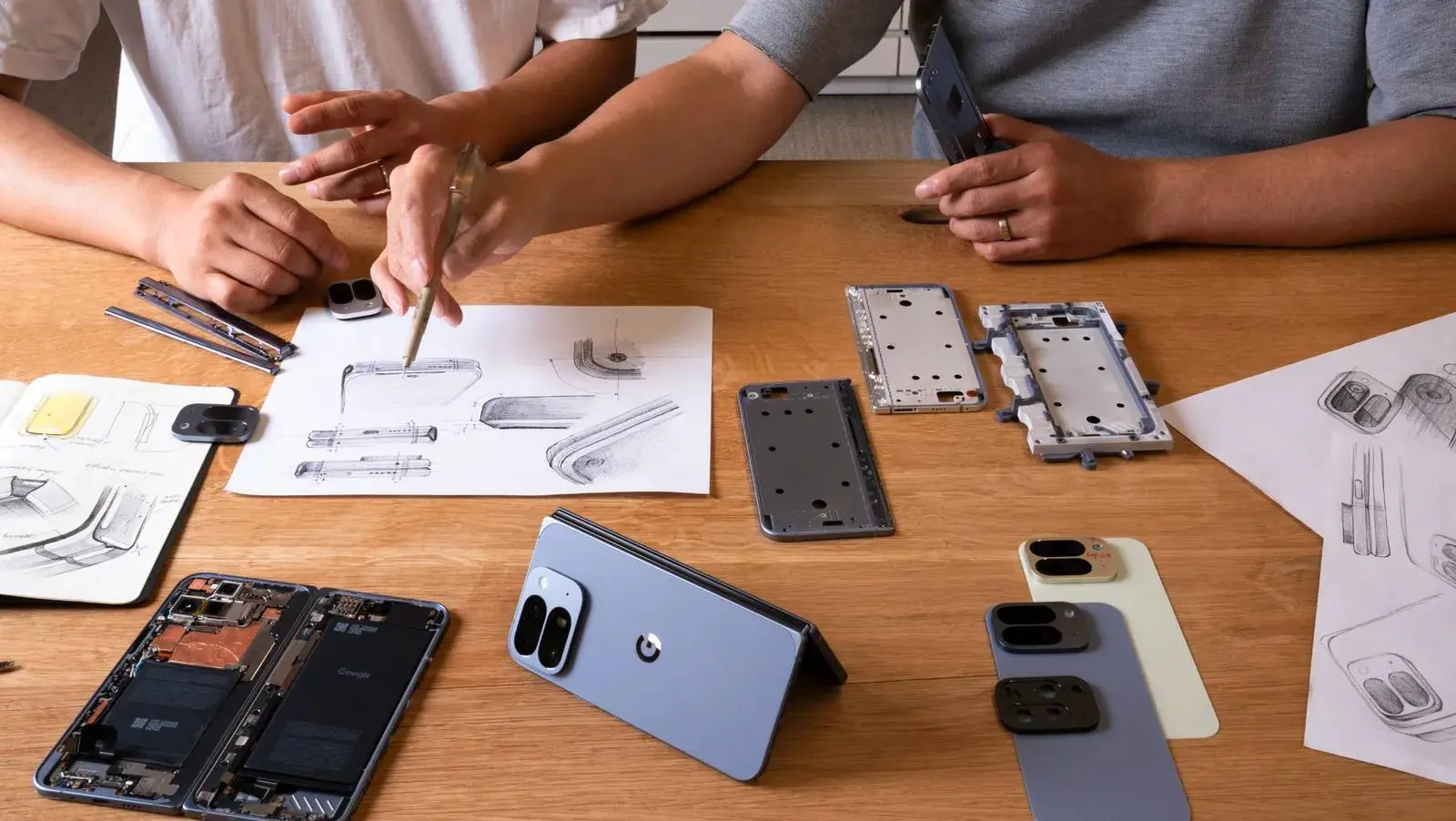
shared new insight into how it designed one of the phone’s most striking
features, a gearless hinge that aims to make the foldable more durable,
efficient, and premium in feel.
A Bold Approach to Foldable Design
According to Claude Zellweger, who
leads Google’s Pixel industrial design team, the Pixel 10 Pro Fold’s hinge
represents a deliberate break from the safer, more traditional engineering
route.
Instead of relying on a familiar geared system, Google’s designers took
what Zellweger called a “more aggressive path” in pursuit of better reliability
and cleaner design.
Most foldable
phones use hinges packed with tiny gears that lock together to make both sides
open and close evenly. It works well at first, but over time, dust and dirt can
sneak in.
This affects how smoothly the phone folds. Google wanted to avoid
that problem completely, so it decided to drop the gears altogether.
Inside the Gearless Hinge
In the Pixel 10 Pro Fold, the hinge runs on CAMs instead.
It is a small mechanical parts that turn rotating movement into straight
motion.
This setup keeps the fold feeling smooth and balanced without any gears
getting in the way. The CAMs have built-in springs, so when you open one side
of the phone, the other side moves along naturally.
Because this system takes up less space inside the hinge,
Google was able to make the phone thinner and cleaner in design. It’s a simple
change that makes the whole folding experience feel tighter and more refined.
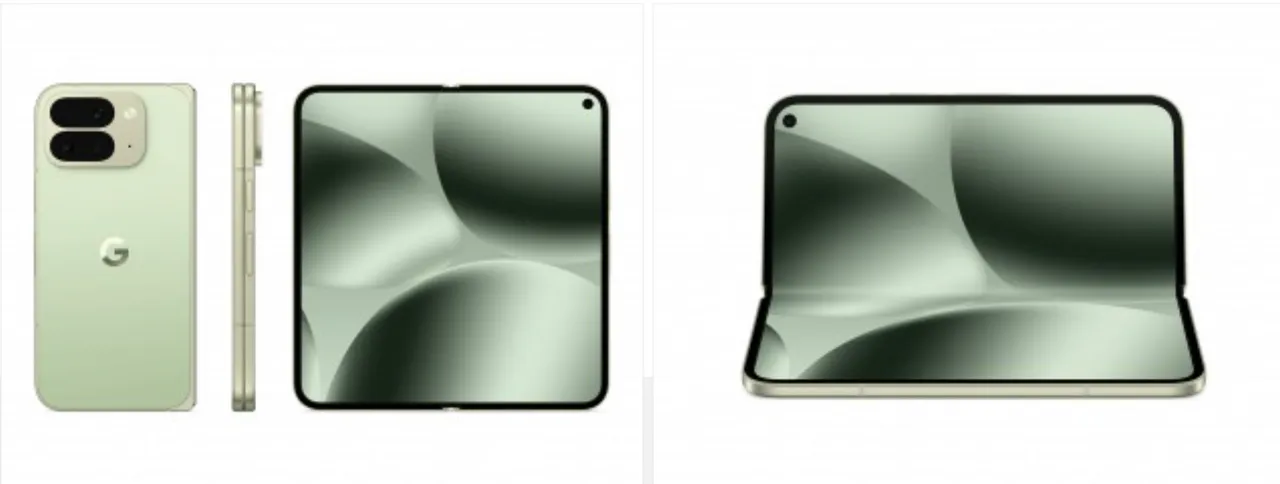
Source: gsmarena
Removing the bulky gear housing also gave Google room to add key upgrades like
larger screens, smaller bezels, and a bigger battery.
Built for Everyday Use
Google says the gearless hinge helps
the Pixel 10 Pro Fold feel more solid and comfortable in the hand. Because the
hinge doesn’t protrude as much from the body, the phone offers a more balanced
grip when folded or unfolded.
It’s also more resistant to dust and water,
earning the device an IP68 rating, something few foldables can claim.
More Than Just a Foldable
The Pixel 10 Pro Fold isn’t just another phone in Google’s
lineup but a clear example of how the company keeps pushing its hardware design
forward.
By fixing one of the trickiest parts of a foldable, Google aims to
give users a phone that not only feels high-end but also holds up better and
runs smoothly for years to come.
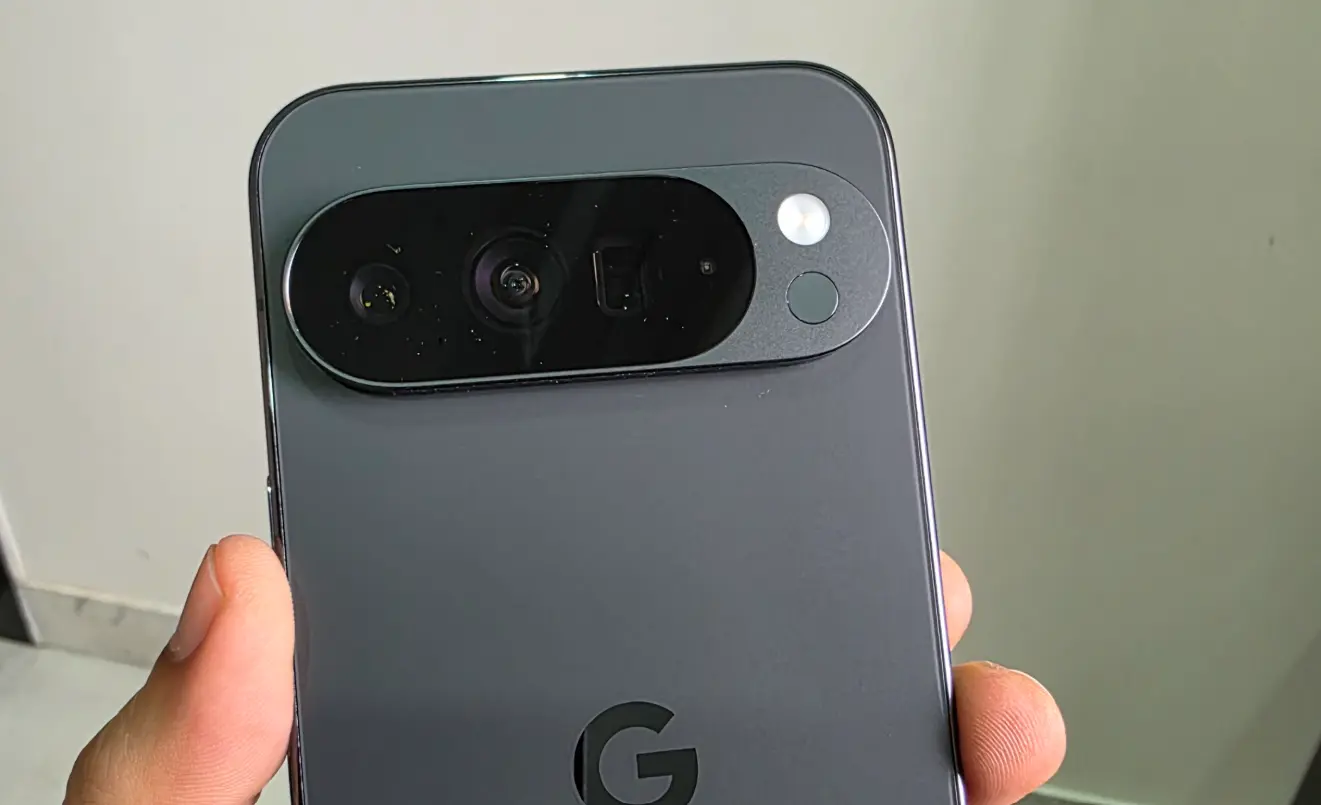
Google Pixel 10 Pro Fold Specifications
- Main display: 8″ QHD+ LTPO OLED (2076×2152), 1–120 Hz, 3,000 nits peak, Ultra Thin Glass
- Cover display: 6.4″ FHD+ OLED (1080×2364), 60–120 Hz, 3,000 nits peak, Gorilla Glass Victus 2
- Processor: Google Tensor G5 with Titan M2 security chip
- RAM & storage: 16 GB LPDDR5X, 256 GB / 512 GB / 1 TB UFS 4.0
- OS: Android 16
- SIM: Dual SIM (nano + eSIM)
- Rear cameras: 48 MP main (GN8, f/1.7, OIS) 10.5 MP ultra-wide (127°, f/2.2, macro) 10.8 MP 5× telephoto (f/3.1, OIS, 20× zoom)
- Front/inner cameras: 10 MP (f/2.2), 4K 60 fps, face unlock
- Biometrics: Side-mounted fingerprint scanner
- Audio: Stereo speakers, USB-C audio
- Build: IP68 dust/water resistant
- Dimensions: 155.2 × 76.3 mm (folded) / 150.4 mm unfolded × 10.8 mm (5.2 mm unfolded)
- Weight: 258 g
- Connectivity: 5G SA/NSA, 4G VoLTE, Wi-Fi 7, Bluetooth 6 LE, UWB, GNSS (GPS, GLONASS, Galileo, BeiDou, NavIC), USB 3.2, NFC
- Battery: 5,015 mAh with 23 W wired and 15 W Qi2 Pixelsnap wireless charging
Popular News

Latest News
Loading