Google Maps has made another big name change in the US. After changing the Gulf of Mexico to the Gulf of America last year, Google is now showing Lake Ontario as Lake America for users in the United States. The change comes after a new order signed by President Donald Trump.
But there's a problem. Lake Ontario is shared by the US and Canada, and Canada isn't changing the name.

What will you see on Google Maps?
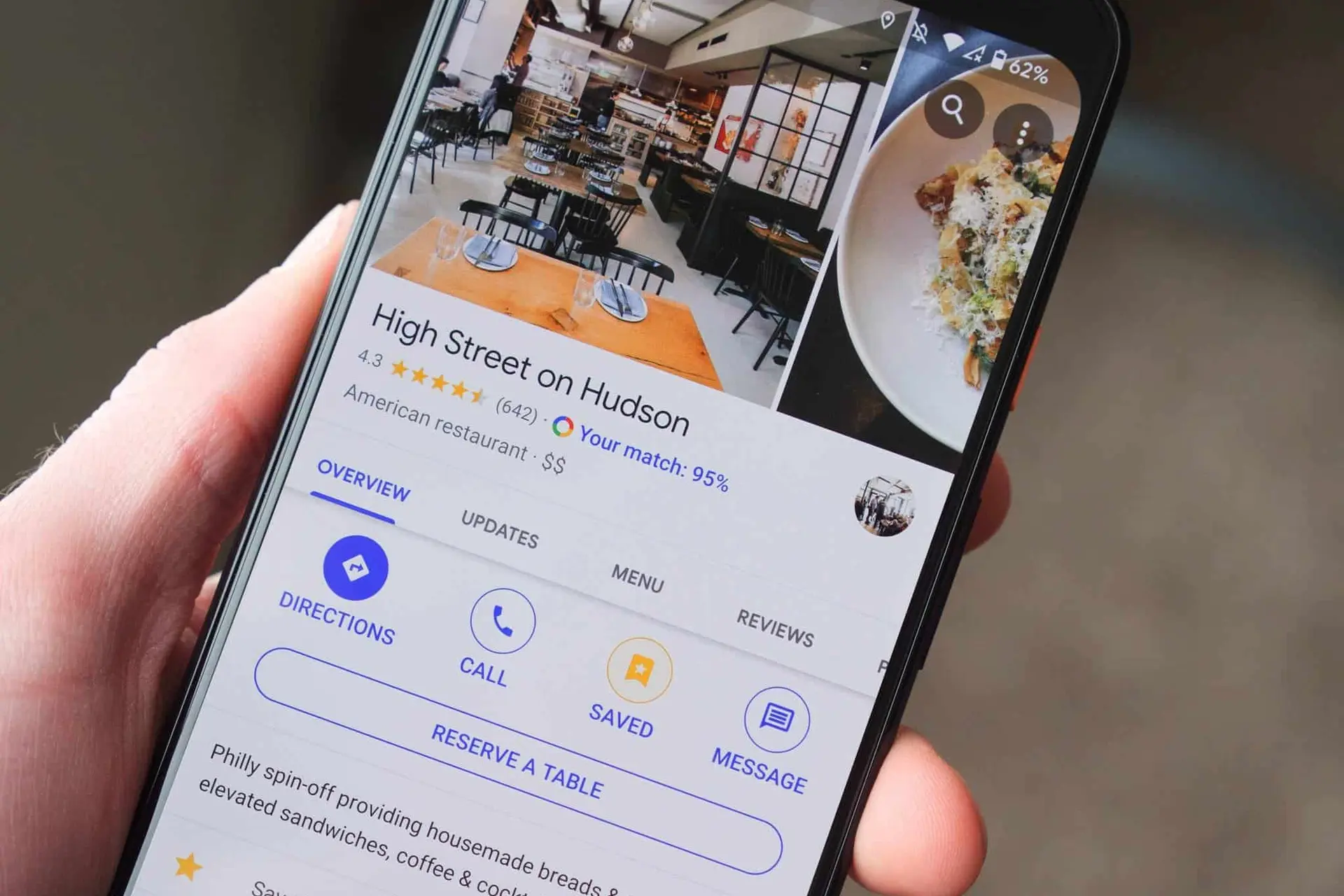
The answer depends on where you live. Google uses official government names for places on Maps, and in the US that means following the Geographic Names Information System.
As a result, people in the US will now see Lake America on Google Maps. Canadian users will still see Lake Ontario. People in other countries will see both names.
Google has done this before. The company used the same system when the US changed the name of the Gulf of Mexico to the Gulf of America in 2025.
In places where countries don't agree on a name, Google often shows a different name based on the user's location. This time, however, the issue is a little strange since the lake itself sits between the two countries.
Canada is keeping Lake Ontario
Canada has no plans to follow the US name change. Prime Minister Mark Carney says the country will keep calling it Lake Ontario, while Ontario Premier Doug Ford has also rejected the new name.

New York Governor Kathy Hochul doesn't support it either.
Other map apps haven't rushed to make the same change. Apple Maps and Waze still use Lake Ontario for now. MapQuest has gone even further and said it won't change the name. This means you could open two map apps on the same phone and see a different name for the same lake.
Read also
Why did Google change it?
Google isn't choosing the name itself. Its Maps policy is to follow official government sources in each country. When two countries use different names, Google can show each version based on where the user is located.
That's why an American and a Canadian can now open Google Maps and see two different names for the same lake.
It may sound odd, but we've seen this before with disputed names around the world. Google Maps isn't trying to settle the argument. It's simply showing the name that each country says is correct.
Popular News

Latest News
Loading