Carl Pei Just Said Publicly What Every Phone Maker Knows Privately
NothingMonday, 15 June 2026 at 10:58
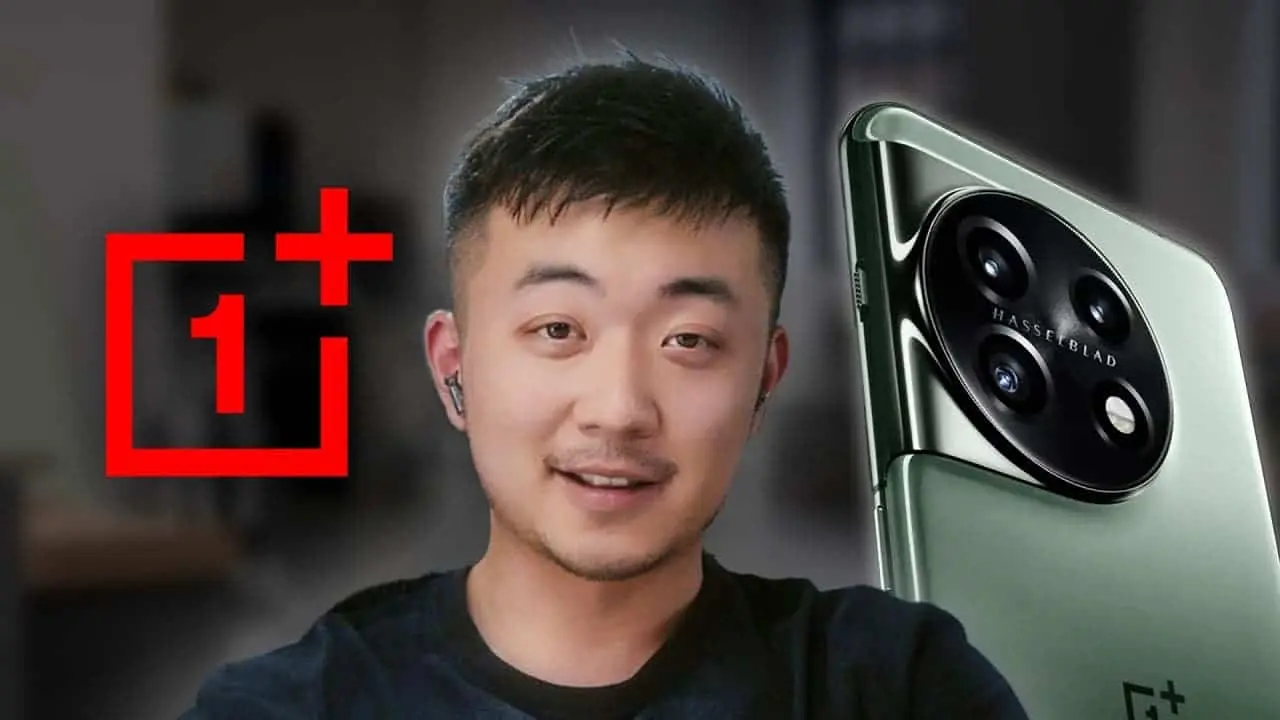
RAM costs four times what it did last year. Sale season discounts are disappearing. And the CEO of Nothing put all of it in writing.

Summary
- Nothing CEO Carl Pei posted on X on June 12 confirming that RAM and storage now account for more than 50% of a smartphone's total hardware bill — surpassing the processor, display, and camera module to become the single most expensive component category in modern phones.
- For the Nothing Phone (4a), memory costs doubled between the start of development and the launch date, then doubled again within months of release — a fourfold increase that forced Nothing to raise the price of both the Phone (4a) and Phone (4a) Pro shortly after their March launch.
- Pei warned that RAM modules costing $20 last year could exceed $100 in premium smartphones by end of 2026, and forecast price increases of 30% or more across portions of the industry — with no meaningful supply relief expected before 2028.
- The structural driver is AI infrastructure: major technology companies are securing memory production capacity years in advance to support AI data centres, leaving smartphone manufacturers with limited allocation at premium prices. Some memory categories have surged up to 300%.
- Pei's broader conclusion: the 15-year trend of smartphones getting better specs at the same price every year has ended. In the entry and mid-range segments, he says the specs race is over — and that anyone waiting for sale season discounts this year will be disappointed.
Carl Pei's exact words: 'Memory is now the most expensive component in a smartphone. It's more expensive than the processor, more expensive than the display, and can account for more than 50% of the total hardware bill.' That is a CEO of a publicly-traded smartphone brand confirming in writing what the rest of the industry has been managing quietly.
The Numbers That Make This Real
A memory module costing $20 a year ago crossing $100 by end of 2026 is a 400% increase. That is not a supply chain blip. That is a structural repricing of a fundamental smartphone component. To put it in context: for a phone selling at $300, the memory cost alone could represent one-third of the retail price by year's end. For a premium phone selling at $1,000, it could be 10% of retail — compared to roughly 2% a year ago.

The Nothing Phone (4a) example is the most concrete illustration available. A product the company planned, budgeted, and launched at a specific price point saw its memory costs go up fourfold between planning and the post-launch months. Nothing responded the only way it could: it raised prices. The same calculation is happening at Samsung, Xiaomi, OPPO, and every other brand — they're just communicating it less directly.

Why Sale Season Is Being Cancelled
The festive and end-of-year sale events that have trained consumers to wait for discounts are built on a specific economic model: brands manufacture inventory at current component costs, sell at retail, and then reduce prices as inventory ages or competition increases. That model requires falling or stable component costs to maintain margins during the discount phase.
When memory costs are rising 30% per quarter, a phone that was profitable in Q1 at launch price becomes unprofitable at a 20% discount in Q4. Brands simply won't run deep discounts on products where the components cost more to produce than the discounted retail price covers. Pei is telling buyers that the discount-waiting strategy that worked for a decade is no longer rational.
The 2028 Problem
Pei's most sobering detail: no supply relief until 2028. New memory production capacity takes years to build and qualify. The capacity being constructed today to meet AI demand won't reach smartphone supply chains in meaningful volume until mid-to-late 2028. Anyone planning to buy a phone at 2024 prices is planning for a product that no longer exists.
Popular News

Latest News
Loading