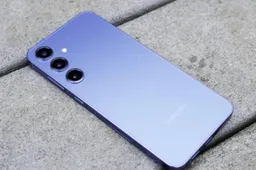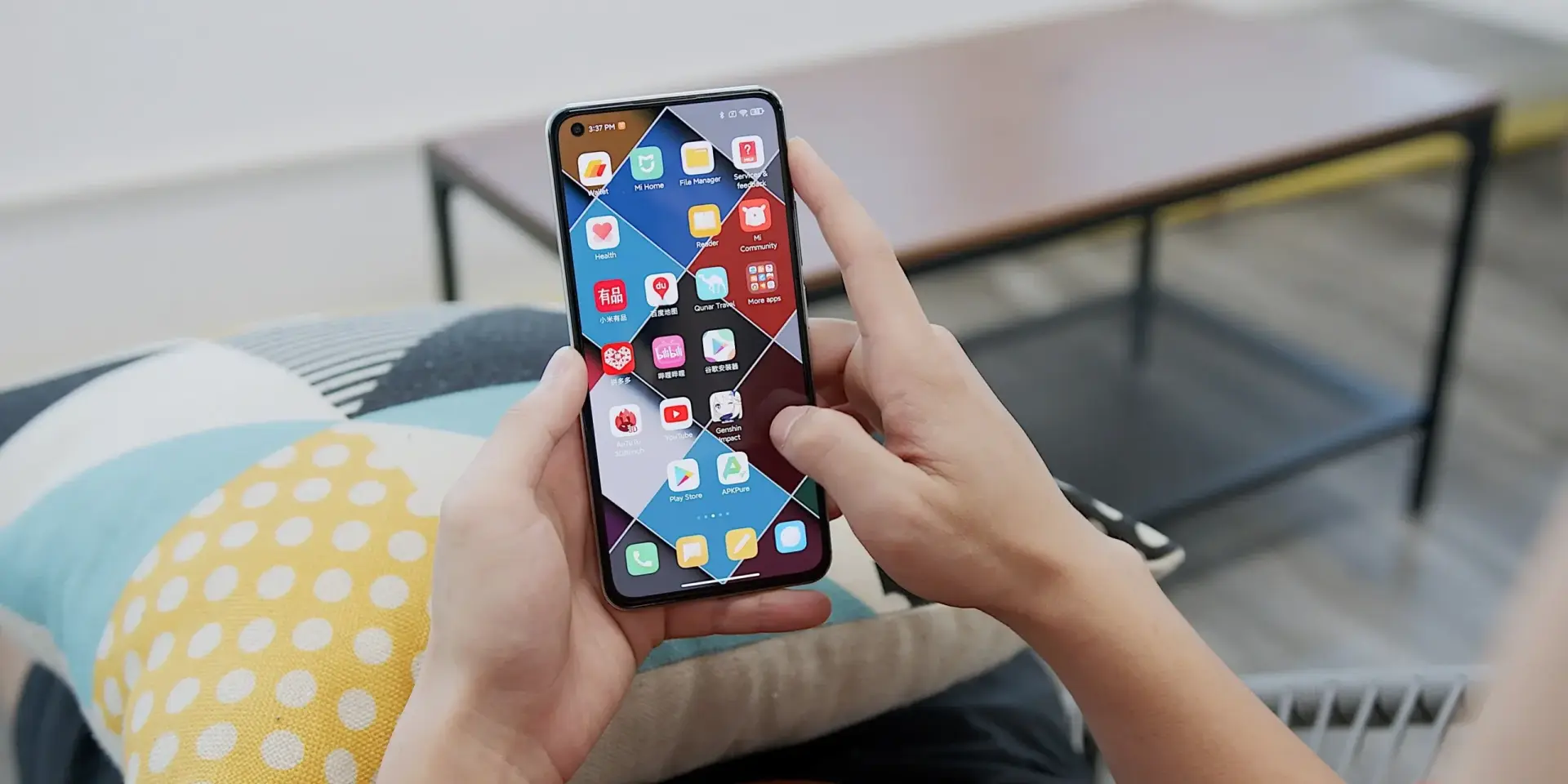
Upgrading to a new phone is tempting - I'm the first one to admit it. You see a glossy ad, a friend shows off their new camera tricks, or your old battery barely survives the morning commute. The urge to hit “buy now” is strong. But if you’re thinking about picking up a new smartphone in September 2025, it might actually be the worst time to do it.
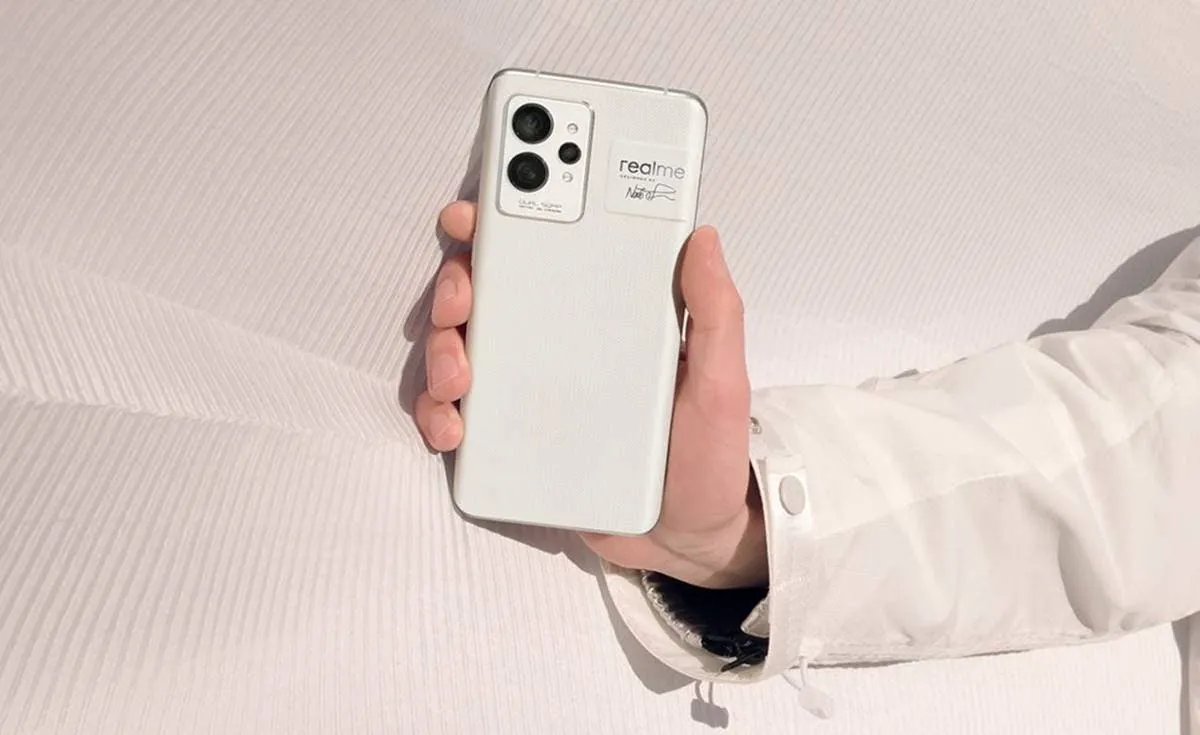
Why? Because the smartphone industry runs on a rhythm. Once you notice the pattern, you realize that patience almost always pays off. From Apple’s September releases to Samsung’s early-year Galaxy announcements, the cycle is predictable. And right now, we’re standing just before one of the busiest waves of launches.
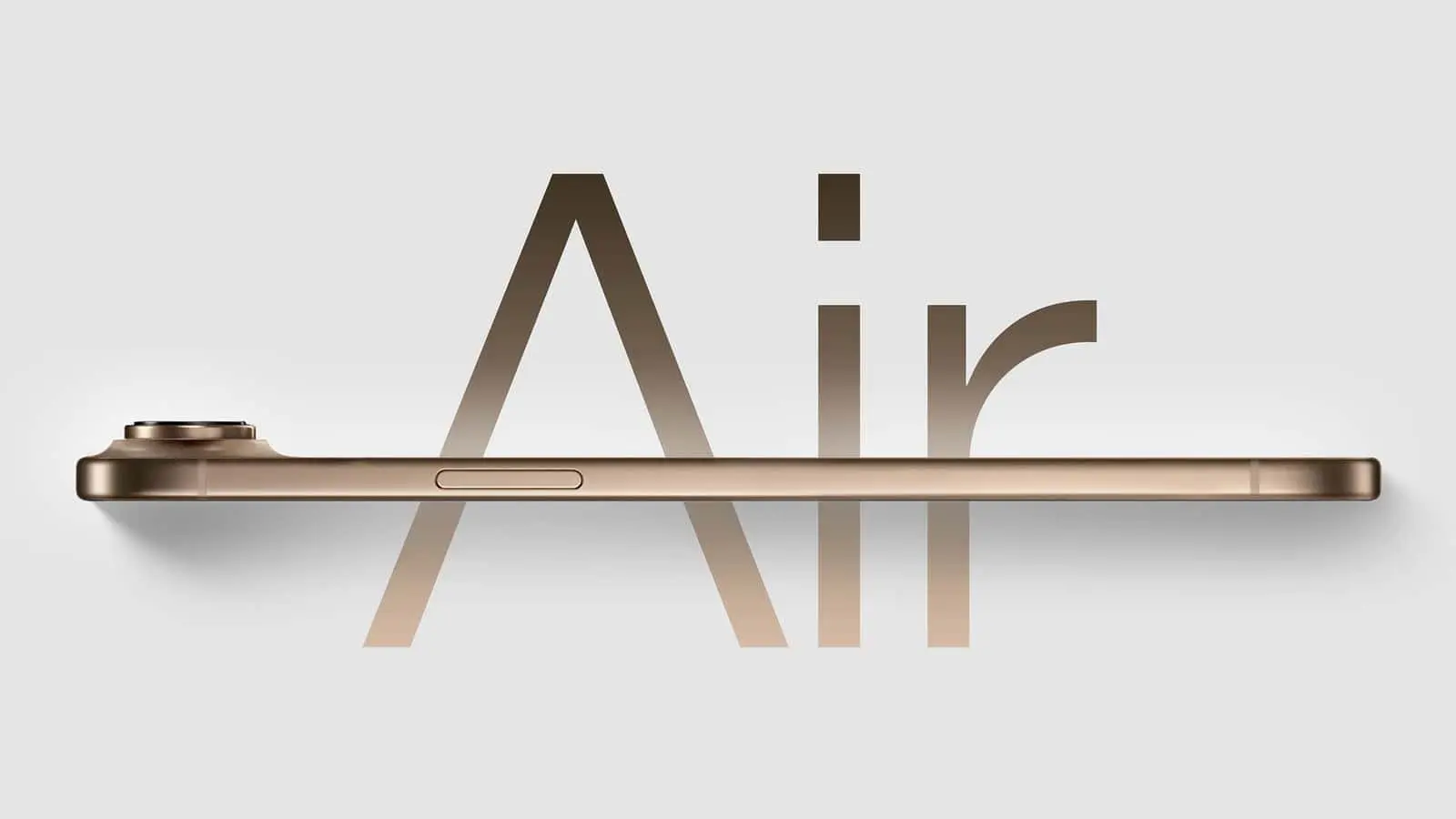
Let’s unpack why waiting a few more weeks—or even just a couple of months—can make all the difference.
The Flagship Flood Is Coming
If you follow the smartphone world even casually, you’ll know the fall season is when tech companies roll out their heaviest artillery.
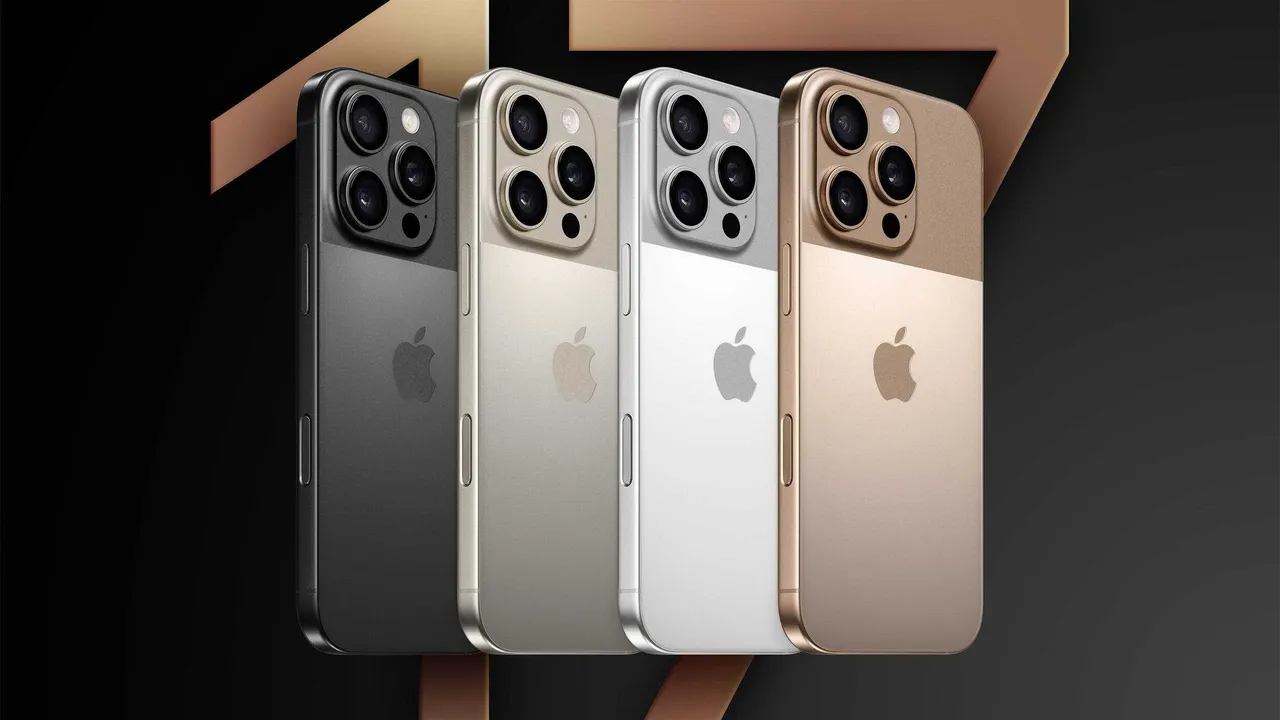
Apple, as usual, will grab the spotlight with the iPhone 17 lineup. The event is only days away, and history tells us exactly what happens next: prices on older iPhones tumble almost overnight. If you bought an iPhone 16 today at full price, you’d likely regret it by next week.
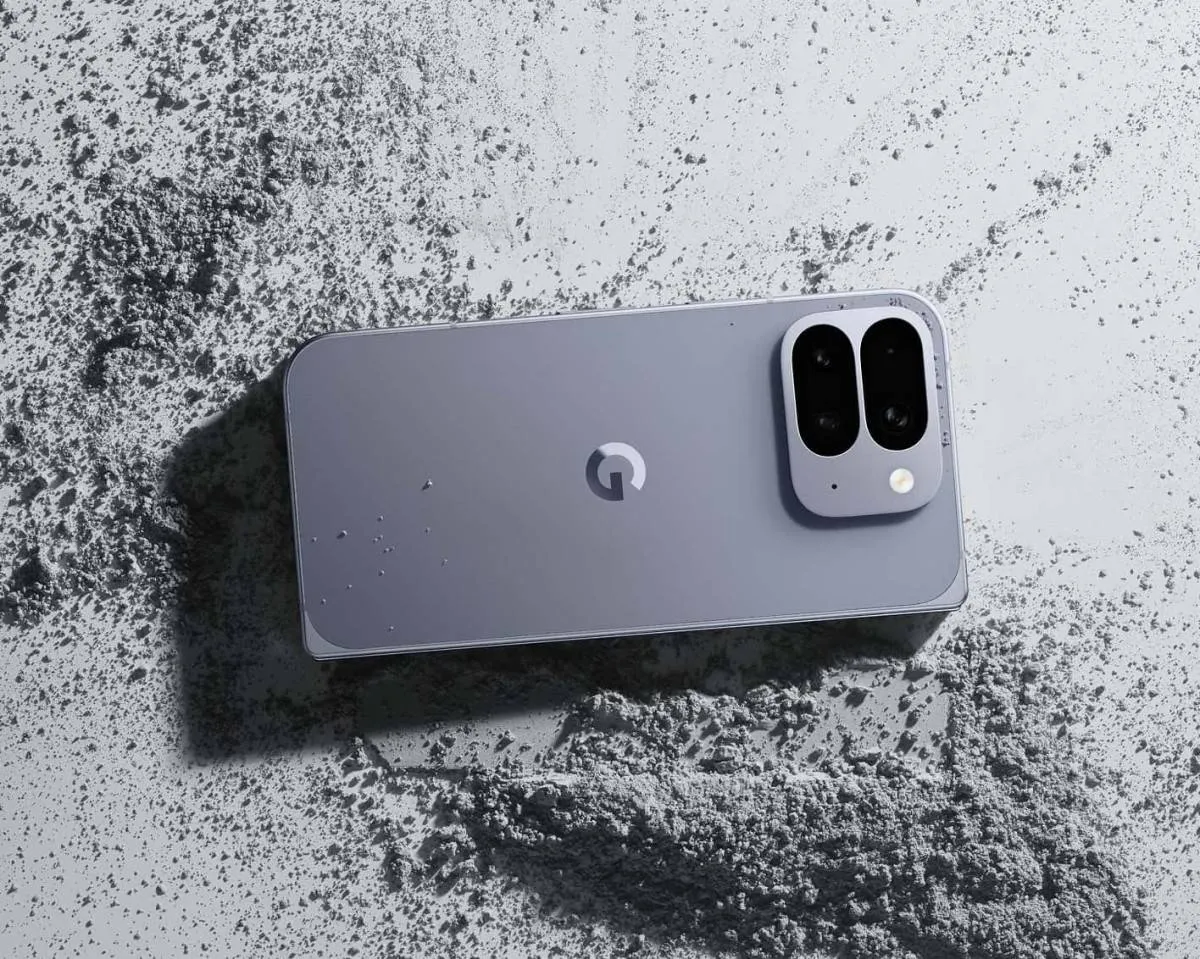
Source: gsmarena
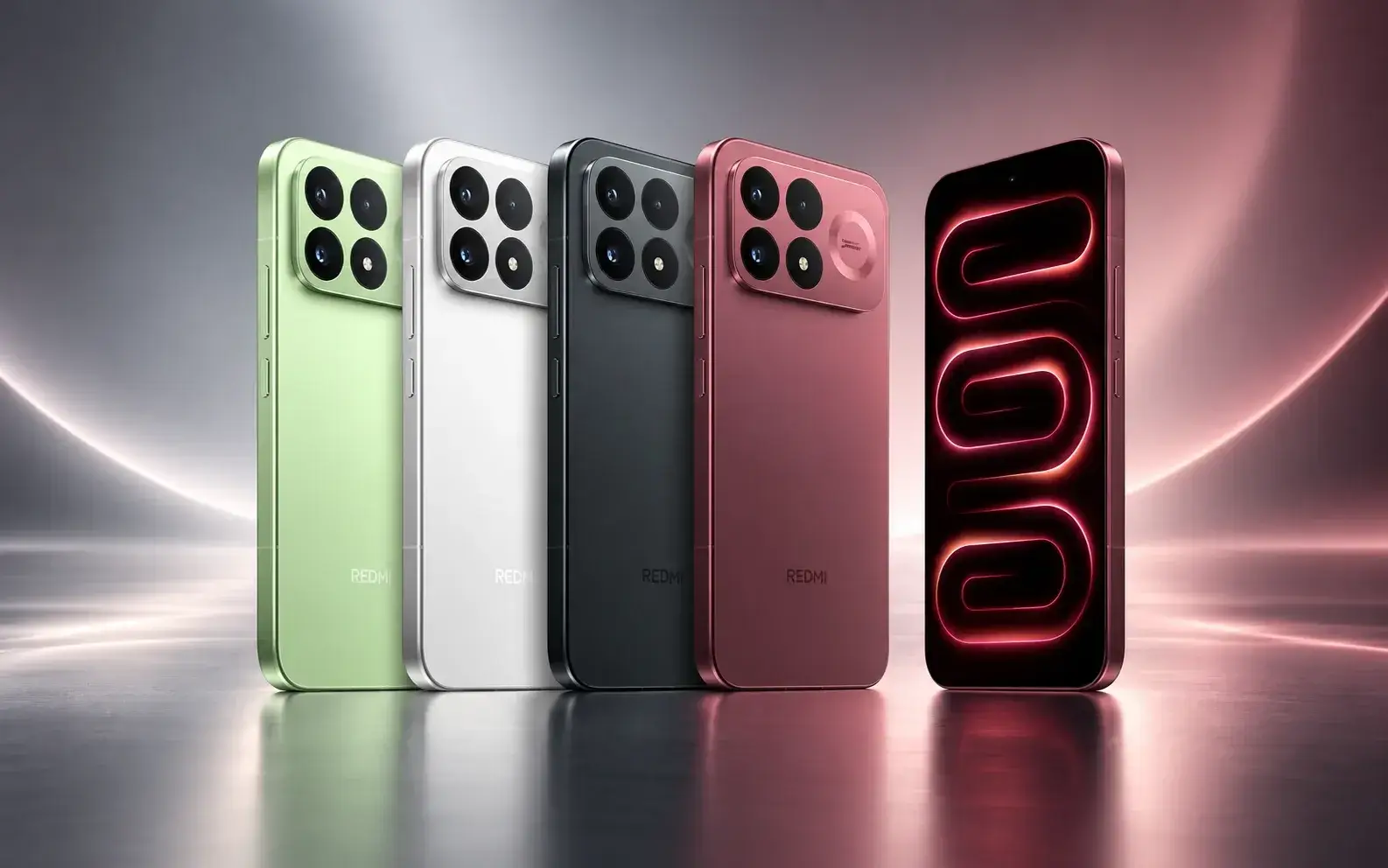
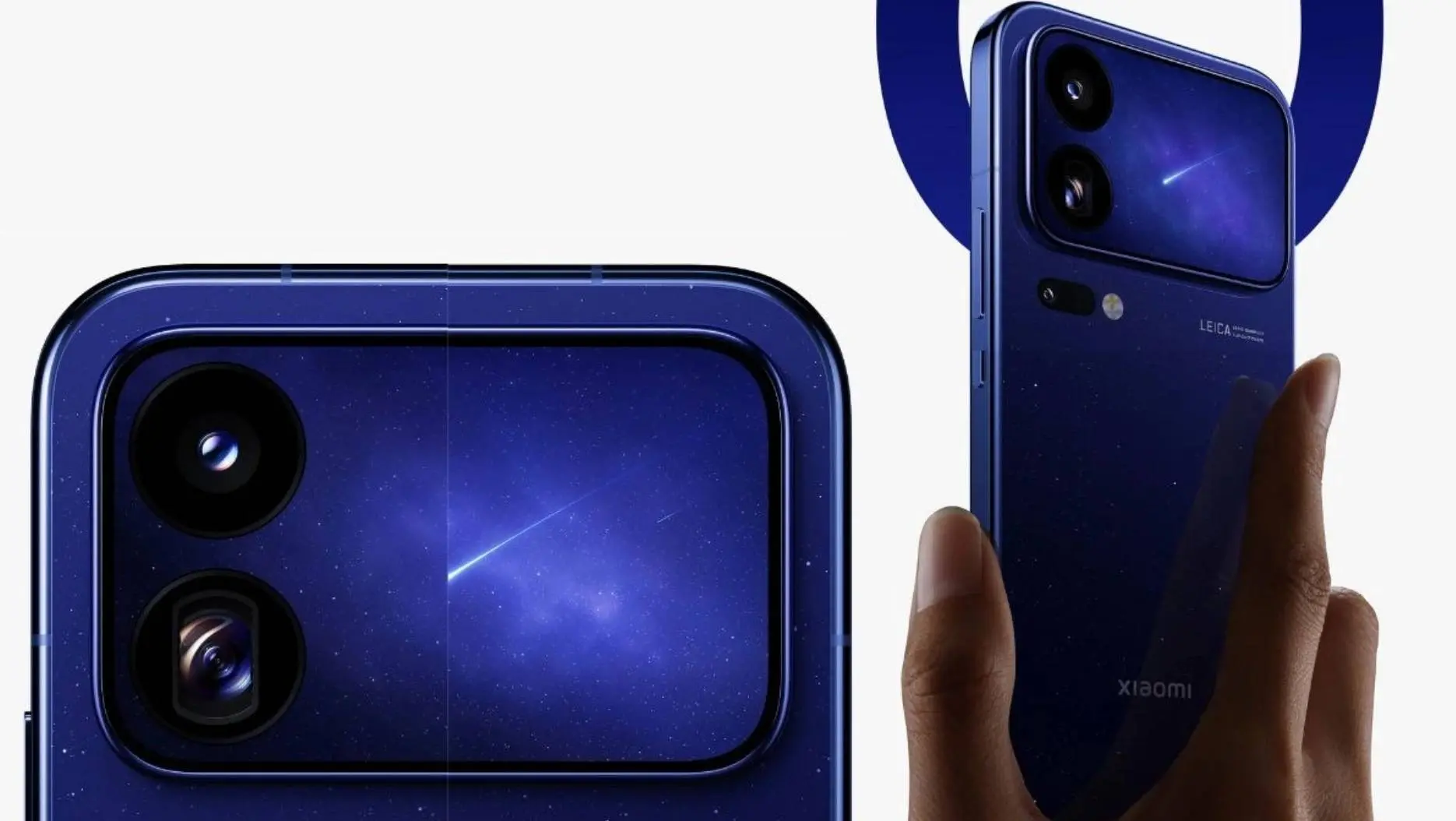
Google just pushed out the Pixel 10, which is already earning praise for its AI-powered camera features. But in just a month, Xiaomi, Oppo, and Vivo will release their flagship devices—the Xiaomi 16, Oppo Find X9, and Vivo X300 series. These companies are not shy about trying wild design experiments, and sometimes they push innovation faster than the bigger Western names.
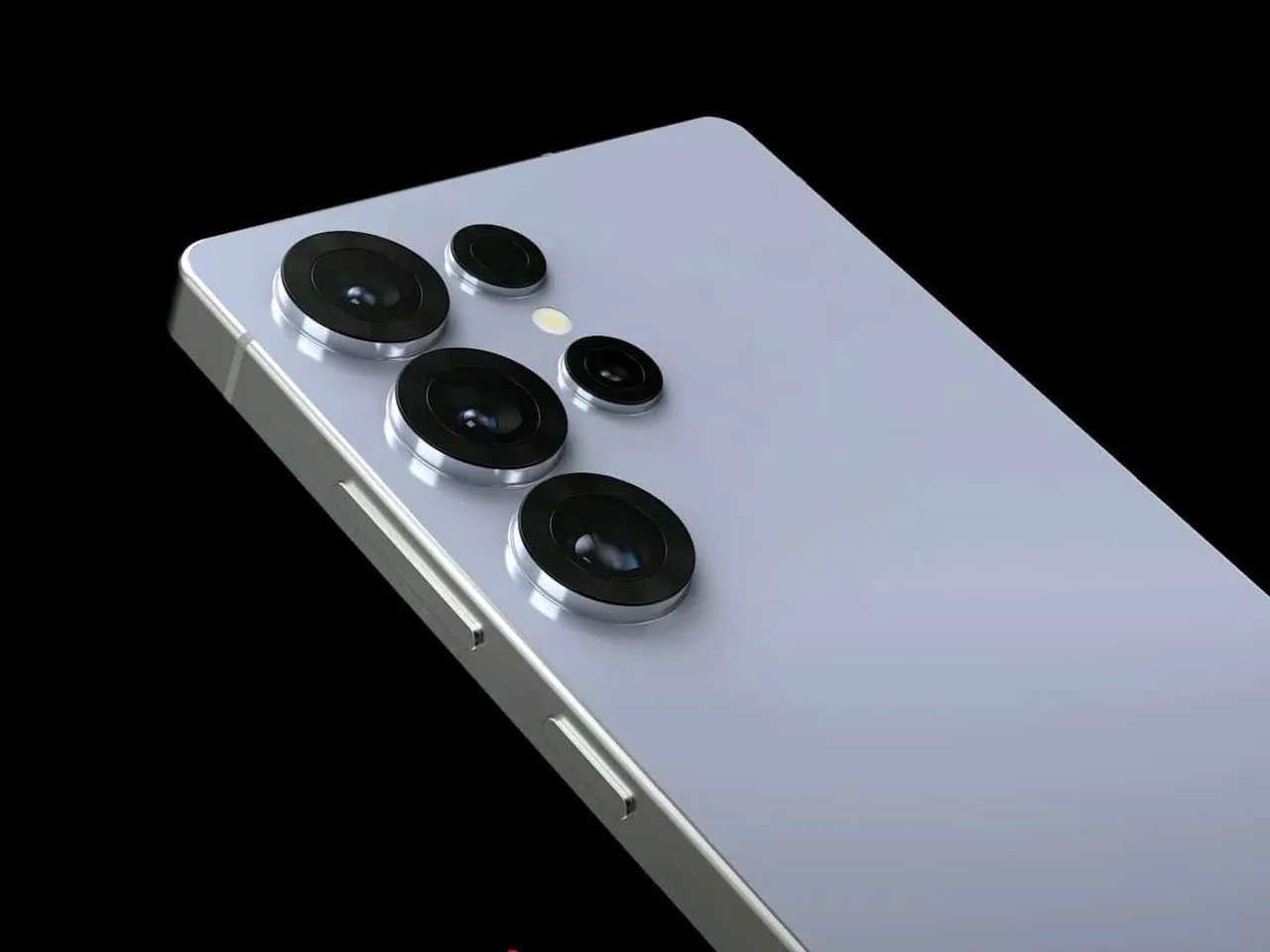
And don’t forget Samsung. Their Galaxy S26 series is slated for an early 2026 reveal, continuing the company’s tradition of starting the year with a bang. For anyone loyal to Samsung, buying now means you’d miss out on that next-gen leap.
Simply put: if you’re in the market for a top-tier phone, you’re standing on the edge of a flood. Jumping in too early means you’ll miss the bigger waves.
Why Last Year’s Phones Suddenly Become a Bargain
One of the most reliable perks of waiting is the domino effect on pricing.
When a new iPhone drops, Apple adjusts its store listings, carriers follow, and third-party retailers start offering aggressive discounts on the older generation. The same goes for Samsung and other brands.
I’ve seen this play out firsthand. Last year, a friend of mine bought a Galaxy S24 Ultra just two weeks before the S25 launched. Within days, the S24 had dropped by almost $250 across major retailers. That’s not pocket change—it’s the difference between paying full flagship price and scoring a near-flagship deal.
These year-old devices aren’t outdated. In fact, most of them share 90–95% of the performance of the shiny new model. They still run demanding apps, shoot incredible photos, and get software updates for years. Unless you absolutely need the latest headline feature, that price drop is one of the smartest ways to stretch your money.
The Next Wave of Tech Upgrades Is Worth Waiting For
Beyond price, the technology itself is about to leap forward.
The Snapdragon 8 Elite 2 processor is almost here, promising better energy efficiency and performance. For regular users, that translates to longer battery life, smoother multitasking, and phones that don’t overheat when gaming.
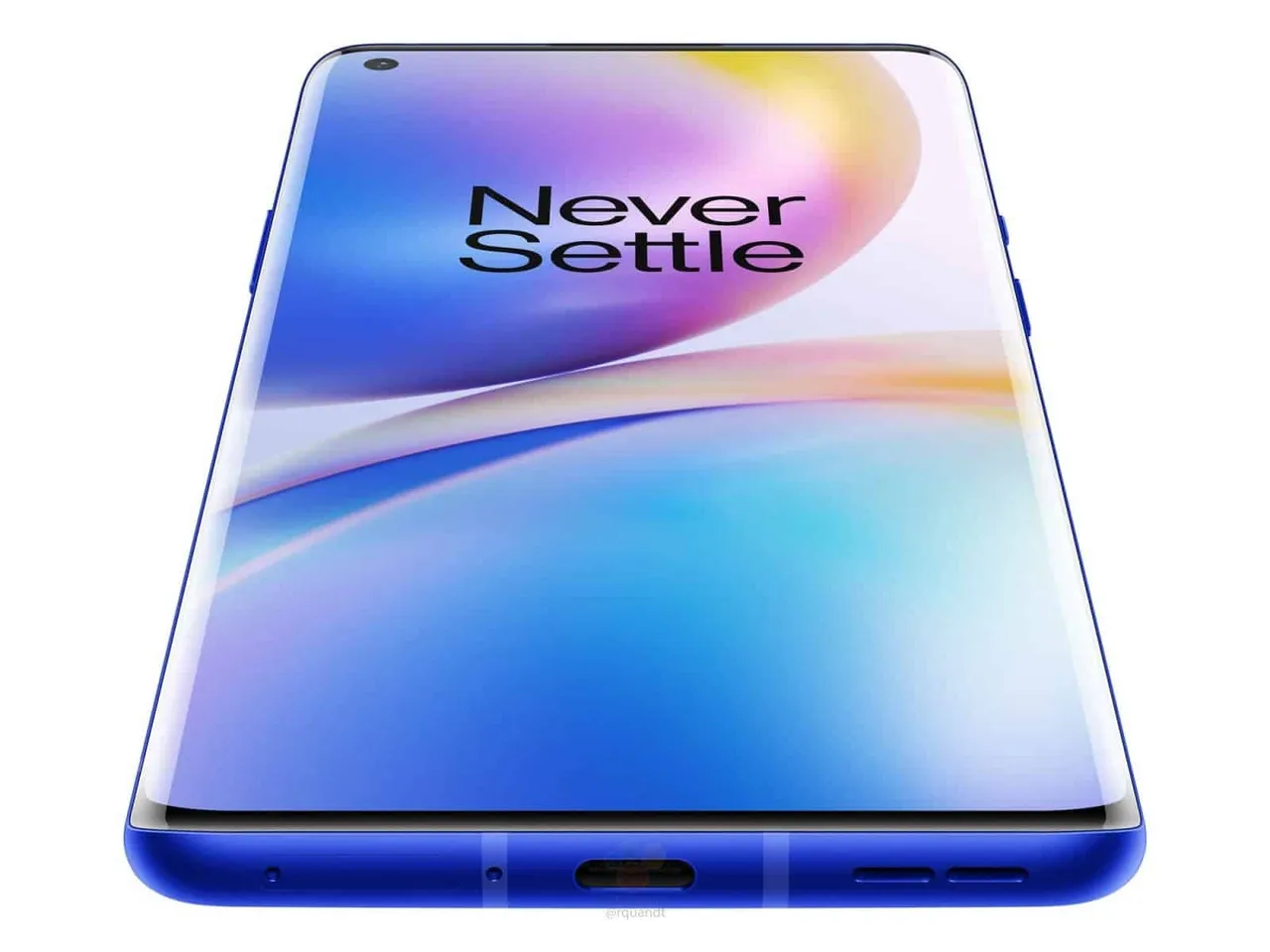
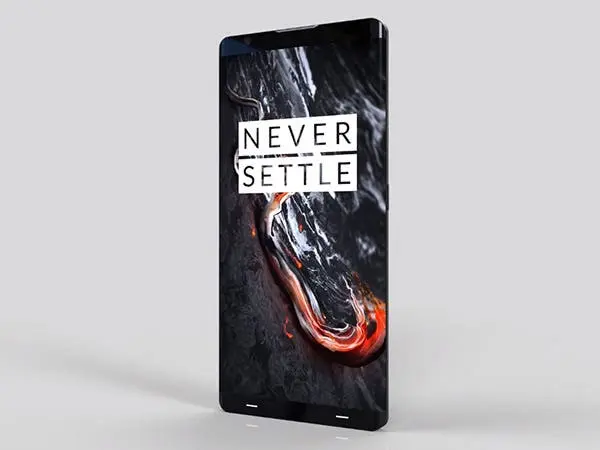
Could this be the OnePlus 15?
Some leaks suggest that the OnePlus 15 could last over two full days on a single charge. That’s the kind of endurance shift we haven’t seen in years. Pair that with AI being baked more deeply into Android and iOS—helping cameras capture better low-light shots, predicting app usage to save energy, or even summarizing your messages—and you can see why buying now means you’d be stuck with older tech just before a major jump.
Think of it like buying a car right before the hybrid models hit mainstream pricing. Sure, the current one works fine, but you know you’ll be wishing you had waited.
The Sales Season Is a Goldmine
The timing also lines up with some of the year’s biggest shopping events.
Black Friday, holiday sales, and New Year promotions are just around the corner. Retailers know this is the period when people splurge, so they prepare aggressive deals on everything from entry-level phones to flagships. In India and parts of Asia, platforms like Flipkart and Amazon run their own festive mega-sales with deep discounts on smartphones.
And here’s the kicker: these deals often stack with the natural price drops from new launches. That means you might see double-dips—discounts on phones that were already marked down. For anyone hunting for value, late November through January is the sweet spot.
Who Should Still Buy Now?
To be fair, not everyone should wait. If your phone is truly on its last legs—battery barely charges, screen is cracked beyond use, or you rely on it for work—then buying now may be unavoidable.
But for anyone who simply wants an upgrade rather than desperately needs one, patience is more than just a virtue. It’s a way to get a better device for less money.
Bottom Line
Smartphone marketing is designed to make every new release feel urgent, as if you’ll be left behind if you don’t upgrade immediately. But the truth is, waiting a little longer usually rewards you twice: you either get the brand-new model with cutting-edge features or you score a nearly identical previous generation at a far lower price.

With the iPhone 17 about to launch, Samsung preparing the Galaxy S26, and Chinese brands dropping their next flagships this fall, now is the worst possible time to hit the buy button. Pair that with the sales season, and your patience could pay off more than you expect.
Sometimes, the smartest upgrade is waiting for the right moment.
Popular News

Latest News
Loading