POCO Pad X1 and M1 Launch: Which Mid-Range Snapdragon Tablet is Right for You?
pocoWednesday, 26 November 2025 at 22:18
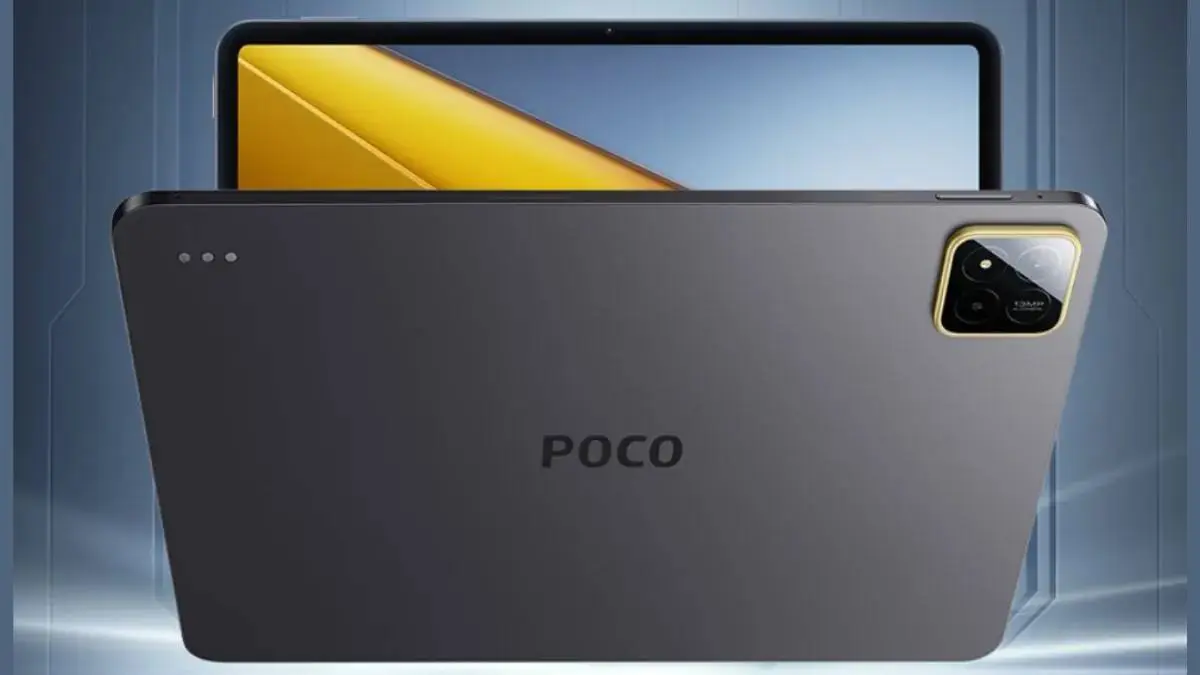
For years, POCO has excelled at disrupting the smartphone segment, but their tablet strategy has just undergone a crucial, two-pronged evolution. Rather than releasing a single, one-size-fits-all slate, the new POCO Pad X1 and POCO Pad M1 are tailored for two distinct user profiles: the performance enthusiast and the endurance media consumer. This strategic split, powered by new Snapdragon chips and a deep integration with Google Gemini, marks POCO’s serious push into a tablet space increasingly dominated by AI-centric connectivity and productivity. It's refreshing to see a brand acknowledge that one slab cannot rule them all.

Pad X1: The Performance and Visual Powerhouse
The POCO Pad X1 is clearly designed for those who prioritize clarity and speed. It comes equipped with the powerful Snapdragon 7+ Gen 3 Mobile Platform, a chipset known for handling high-end gaming comfortably at 120FPS. This processing muscle is paired with a truly premium display: an 11.2-inch panel boasting a 3.2K resolution and a silky-smooth 144Hz adaptive refresh rate. The 3:2 aspect ratio further underscores its ambition for both work and play, offering more vertical screen real estate than the traditional 16:10 format.
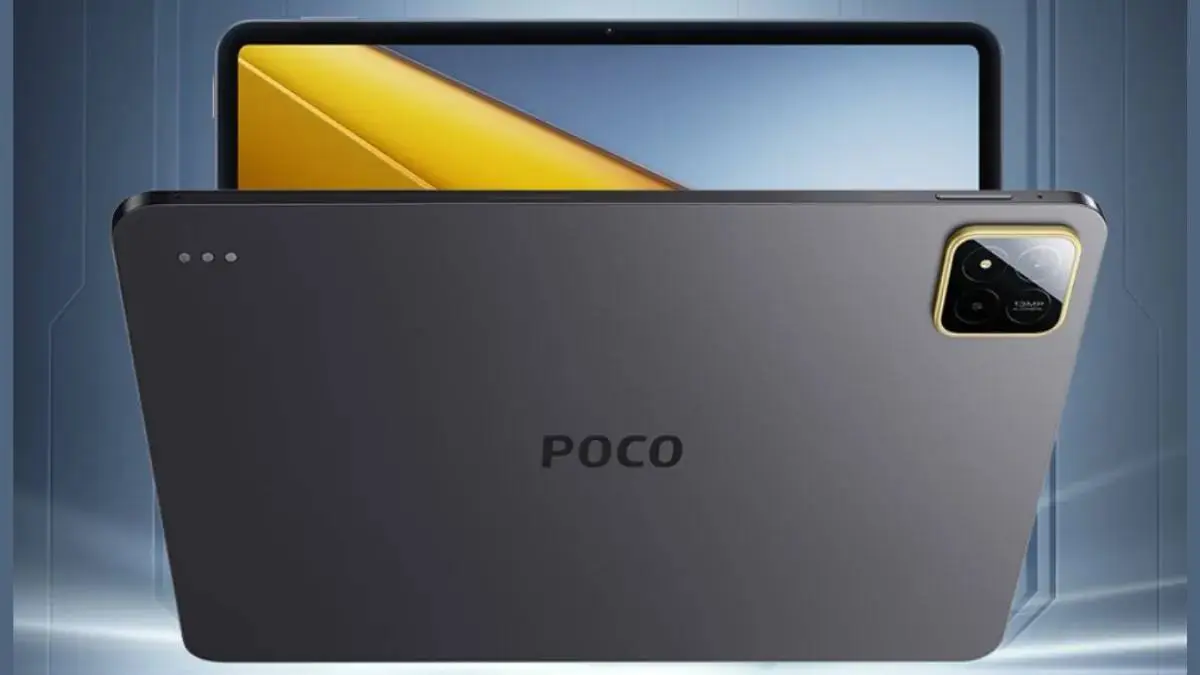
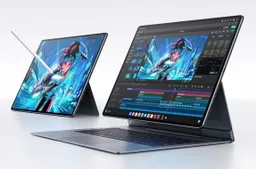
My analysis suggests that the Pad X1 is a direct shot at the mid-range performance tablets like the older OnePlus Pad models or the Samsung Galaxy Tab S FE series. For a starting price of $399 (dropping to $349 with the early-bird offer), the X1 delivers a screen resolution and refresh rate that rivals devices hundreds of dollars more expensive. The inclusion of a sophisticated Floating Keyboard accessory and the Focus Pen (with 8192 pressure levels) means POCO isn't just targeting gamers; they're aiming for students and creative professionals who need a genuinely premium, slim (6.18mm) aluminum tool.

Quick Specs
- Dimensions: 251.22 × 173.42 × 6.18 mm | Weight: 500g
- Processor: Snapdragon 7+ Gen 3, 4nm, Octa-core up to 2.8GHz, Adreno GPU, Qualcomm AI engine
- Storage & RAM: 8GB LPDDR5X + 512GB UFS 4.0
- Display: 11.2″, 3200×2136, 3:2, 144Hz adaptive, 345PPI, 800 nits, DCI-P3, 12-bit, Dolby Vision, Adaptive HDR, Wet Touch, 10× super-resolution touch, TÜV Rheinland certified
- Camera: Rear 13MP f/2.2, 4K@30fps, 1080P@30/60fps | Front 8MP f/2.2, 1080P@30fps
- Battery & Charging: 8850mAh (typ), 45W turbo charging, USB Type-C, QC3+/QC3.0/QC2.0/PD3.0/PD2.0/MI FC2.0
- Data Transfer: USB 3.2 Gen 1, up to 5Gbps
- Connectivity: Wi-Fi 6E, Bluetooth 5.4, AAC/LDAC/LHDC 5.0, IPv6
- Sensors: Accelerometer, Gyroscope, Front & Rear Ambient Light, Flicker, Hall, Magnetic, Proximity, RGB LED, IR remote
- Operating System: Xiaomi HyperOS 2
- Package Contents: Tablet, Adapter, USB-C Cable, Quick Start Guide, Warranty Card
HyperOS, Gemini, and Cross-Device AI
The underlying software, Xiaomi HyperOS 2, is where POCO is adding future value. The tablet’s deep integration with Google Gemini is a major highlight, enabling features like Gemini Live conversations, direct image generation, and context-aware assistance through the Gemini Overlay. Beyond Google, POCO’s own AI suite—featuring AI Art to refine sketches and AI Writing for drafting and summarizing—is crucial. Combined with seamless Home Screen+ 2.0 and Cross-Device Camera functions, POCO is attempting to build a unified ecosystem experience that is now a mandatory feature for all serious hardware players.
Pad M1: The Media and Endurance Champion
If the Pad X1 is the sports car, the POCO Pad M1 is the heavy-duty hauler. POCO has made a few deliberate trade-offs to focus entirely on media consumption and sheer battery endurance. While it uses the slightly less powerful Snapdragon 7s Gen 4 SoC and a lower 2.5 K} resolution display, the screen size is a more expansive 12.1-inches.

The real headline, though, is the enormous 12,000mAh battery. POCO quotes over 14 hours of video playback—a phenomenal figure that crushes most competitors in this category, including the endurance-focused models from Lenovo. The 7.5mm thickness and 610g weight are a necessary compromise for this colossal cell. For anyone who uses their tablet primarily for Netflix, long-haul travel, or extensive reading, the M1’s promise of multi-day use will be infinitely more valuable than the X1’s higher pixel density. At an early-bird price of $279, the M1’s value proposition for media consumption is nearly unbeatable. The 300% volume boost on its quad speakers is a nice touch for those who stream without headphones.

Quick Specs
- Dimensions & Weight: 279.8 × 181.65 × 7.5 mm, 610g
- Processor: Snapdragon 7s Gen 4, Octa-core up to 2.7GHz, Adreno GPU
- Storage & RAM: 8GB + 256GB LPDDR4X + UFS 2.2, expandable up to 2TB
- Display: 12.1″ 2.5K, 16:10, 2560×1600, 249 PPI, up to 120Hz refresh, 360Hz touch sampling, Wet Touch, Dolby Vision, 1.07B colors, 500 nits typical / 600 nits HBM, TÜV Rheinland eye-care
- Cameras: Rear 8MP f/2.2, front 8MP f/2.2, 1080p/720p video, Photo, Video, Document, Teleprompter, Portrait, Pro, HDR
- Battery & Charging: 12,000mAh (typ), 33W fast charging, up to 27W reverse charging, USB Type-C
- Audio: Quad speakers, Dolby Atmos, 300% volume boost
- Connectivity: Wi-Fi 6, Bluetooth 5.4, SBC / AAC / LDAC, IPv6
- Sensors: Accelerometer, Gyroscope, Color temperature sensor, Ambient light sensor, Electronic compass, Hall sensor
- Operating System: Xiaomi HyperOS 2
- Package Contents: Tablet, Adapter, USB Type-C Cable, Quick Start Guide, Warranty Card, SD Card Eject Tool
POCO’s dual launch is a sharp exercise in segmentation. They are clearly communicating that the Pad X1 is for high-performance productivity, while the Pad M1 is for long-lasting media enjoyment. This focused approach, combined with highly aggressive early-bird pricing, positions both tablets as formidable, well-defined challengers in the fiercely competitive Android tablet landscape.
Popular News
Latest News
Loading