
Samsung may keep its own Exynos 2700 chip out of the Galaxy S27 Ultra, even as reports point to good progress in production. According to leaker yeux1122, cited by IT Home, the chip has achieved good manufacturing yields and is expected to appear in the Galaxy S27 series.
The Ultra model is a different story. Samsung has reportedly not assigned production capacity for an Exynos version, leaving open the possibility that it will use Qualcomm's Snapdragon 8 Elite Extreme Gen 6 instead. Neither option has been confirmed, and the Galaxy S27 series is still months away.
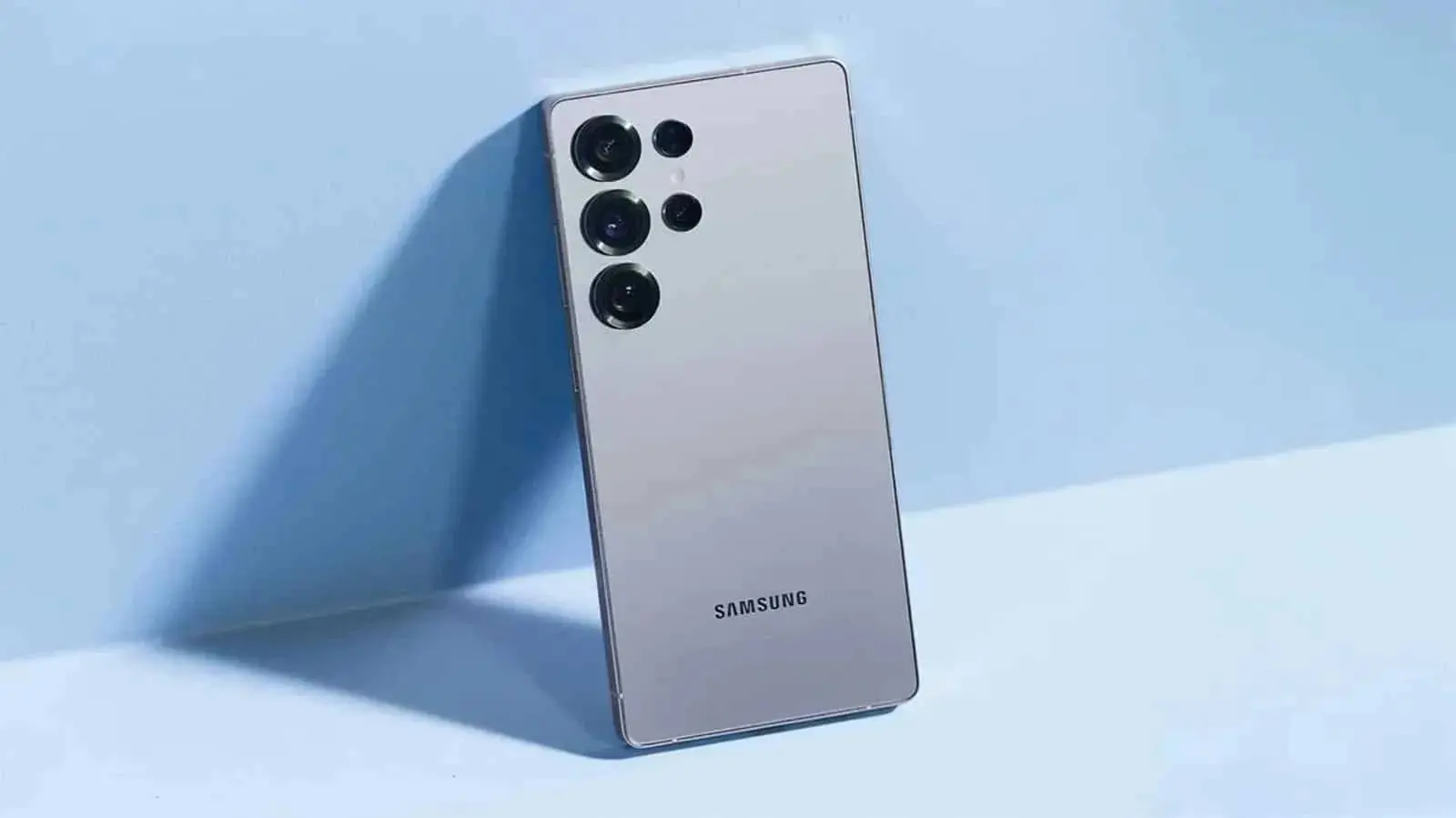
Exynos 2700 production is moving ahead
Samsung is reportedly preparing to produce more Exynos 2700 chips than its predecessor, the Exynos 2600. The Elec reported that mass production had begun in early October, with planned output more than 10% higher than for the previous generation.
The chip is being made using Samsung's 2nm process. Higher production targets also suggest that the company expects to use it across more Galaxy S27 models.
According to The Elec, the Galaxy S27, S27+ and S27 Pro sold in Europe and South Korea are expected to use the Exynos 2700. Models sold in the US, China and some other markets are expected to use Snapdragon chips instead.
The Galaxy S27 Ultra, however, may follow a different plan.

Why the Ultra could use Snapdragon only
Samsung's System LSI division wants to expand the use of its own processors, while its mobile division is weighing the chip's performance, heat, cost and available production capacity.
Those factors matter more in a premium phone, where buyers expect strong performance without excessive heat or battery drain. Samsung used a Qualcomm chip exclusively in the Galaxy S26 Ultra, so another Snapdragon-only Ultra would follow the same approach.
Still, the decision may not be final. IT Home notes that reports differ, with some pointing to a global Snapdragon version and others suggesting that Samsung has tested Exynos-powered prototypes.

Early performance figures need caution
The Elec has also reported internal test results suggesting that the Exynos 2700 could outperform the Snapdragon 8 Elite Extreme Gen 6 in Geekbench 6 multi-core testing.
The reported Snapdragon score was 12,856 points, while the Exynos chip was said to reach around 14,078. That would give Samsung's processor a lead of roughly 9.5%.
These figures have not been independently verified on finished retail phones. A benchmark result also cannot tell us how a chip handles heat, battery use or sustained workloads.
For now, the Exynos 2700 appears to be progressing toward wider use in the Galaxy S27 family. Whether Samsung puts it in the Ultra remains unclear, and the final chip lineup could still change before launch.
loading
Popular News

Latest News
Loading