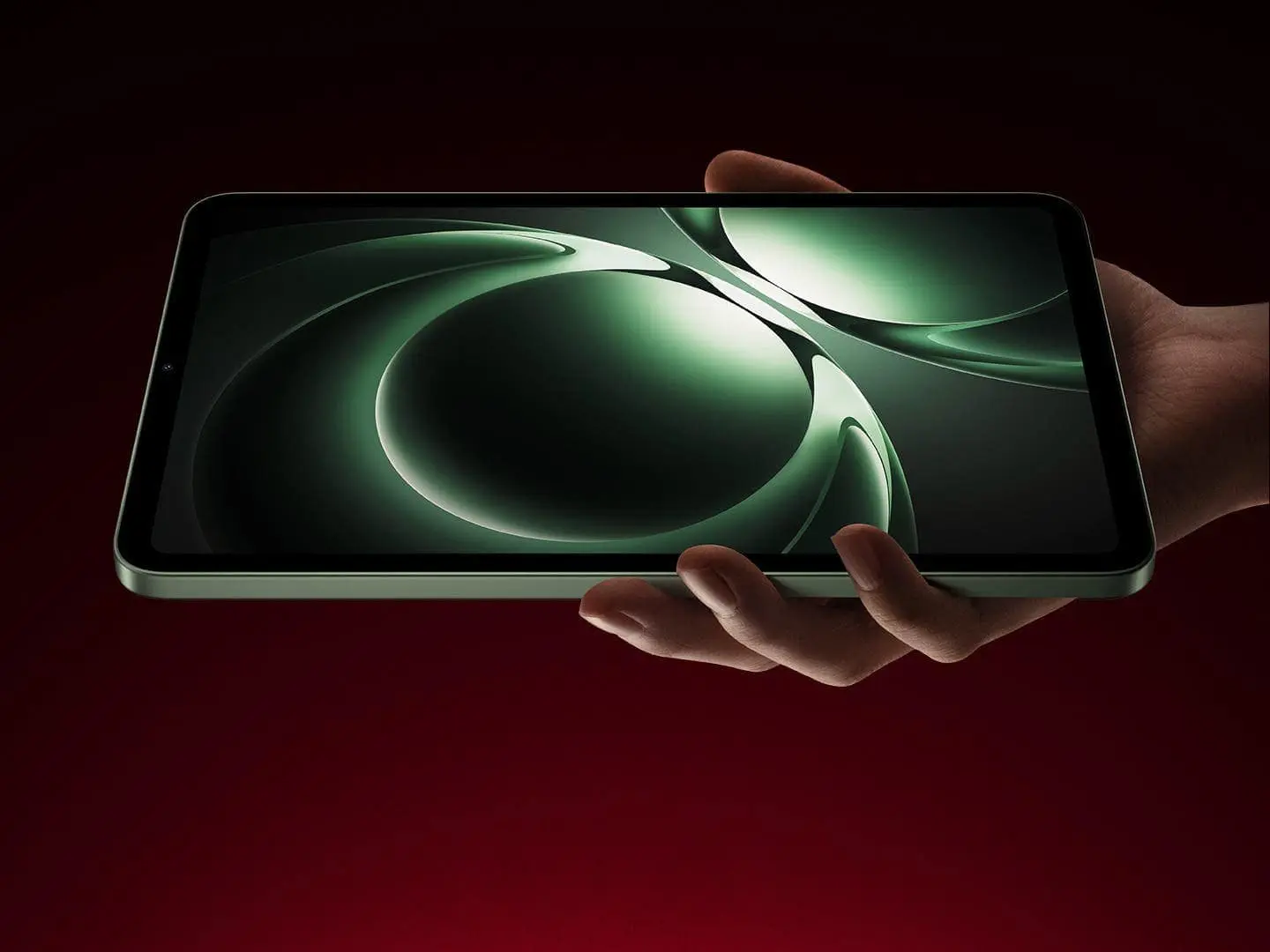
A few years ago, mini tablets were the forgotten middle child of tech. Phones were getting bigger, laptops were getting lighter, and these 8-inch devices looked like they were fading away. But here we are in 2025, and the story is very different. Compact tablets are back, and they’re no longer the “cheap alternative” in a lineup. They’re being treated as serious hardware, built for gaming, sketching, streaming, and even light productivity.

Why the turnaround? Two things happened. First, hardware got good enough that shrinking it down doesn’t mean watering it down. You can put a flagship chip and high-refresh-rate display into something you can hold in one hand. Second, habits changed. People are gaming on commutes, watching shows on planes, working from cafes. A smaller device that still feels powerful just makes sense again.
Here are four models that really define what the mini tablet space looks like this year.
Red Magic Astra: Gaming First, Everything Else Second
If you’ve ever wished your console could shrink into your backpack, the Red Magic Astra comes pretty close. It has a 9.06-inch OLED panel with a 165Hz refresh rate, which means action games look smooth and fluid, and brightness can crank up to 1600 nits—plenty for outdoor use.

Inside, it runs on Qualcomm’s Snapdragon 8 Elite. That chip, paired with as much as 24GB of RAM and 1TB of storage, is overkill for most apps but exactly what gamers want. Features like bypass charging—where the tablet runs on wall power without stressing the battery—show how much thought went into making this a “serious” gaming machine.

It starts at $549, which isn’t cheap, but if you push it to the $899 top-tier model, you’re getting a device that’s basically a handheld PC in disguise. For people who play demanding games and want something more versatile than a Switch or Steam Deck, the Astra is one of the most interesting gadgets out there right now.
Lenovo Legion Y700 (2025): Balanced and Practical
Lenovo has been refining the Legion Y700 for a while, and the 2025 version feels like its most confident yet. The idea isn’t just to make a gaming tablet but to create a small device that adapts to different roles.

The 8.8-inch LCD panel isn’t OLED, but it still delivers a crisp 3K resolution with a 165Hz variable refresh rate. The variable part matters: it can throttle down when you’re reading or typing to save power, and ramp up when you’re gaming or scrolling quickly. Under the hood, it’s got the Snapdragon 8 Elite, just like the Astra, but tuned a bit more conservatively to keep thermals under control.
Lenovo’s ace card is the G9 controller accessory. Snap it onto the Y700 and suddenly you’re holding what feels like a handheld console. Detach it, and you’re back to a clean, portable tablet. The cooling system also deserves mention—seven layers, 41,000mm² of thermal coverage—because it means this tablet can actually sustain heavy workloads without throttling.
At around $462 to start, it’s cheaper than the Astra but still powerful. For anyone who wants a device that can play games at night and double as a productivity tool during the day, it’s the most balanced option of the bunch.
Huawei MatePad Mini: Premium Design in a Small Package
Huawei knows how to make hardware look and feel premium, and the MatePad Mini leans into that reputation. It’s slim—just 5.1mm thick—and light at 255 grams. Yet the 8.8-inch OLED display still packs in a 2.5K resolution, 120Hz refresh rate, and can peak at 1800 nits. It looks sharp and feels responsive, whether you’re browsing, sketching, or streaming.

Unlike the Astra or Y700, Huawei pitches this more toward productivity and creativity. It supports the M-Pencil Pro stylus, making it handy for note-taking or design work. The cameras are surprisingly good for a small tablet too: a 50MP main sensor, 8MP ultra-wide, and a 32MP selfie camera. That last one makes video calls look sharper than on most laptops.
The battery is 6400mAh with 66W fast charging—good enough to keep up with daily use without being tethered to a charger all the time. Pricing starts around $545, with the high-end collector’s edition hitting $909 for max RAM and 1TB storage. It’s not cheap, but if you want a stylish device that’s easy to carry and doesn’t feel compromised, the MatePad Mini hits the mark.
Redmi K Pad: Strong Value Without Compromise
Redmi, Xiaomi’s sub-brand, has always focused on value, and the K Pad fits perfectly into that story. Priced from about $390, it’s the most affordable of the four, but it doesn’t feel stripped down. The 8.8-inch LCD screen pushes 3K resolution, supports 165Hz refresh rates, and comes with Gorilla Glass 5 protection. HDR10 and Dolby Vision are also on board, which is rare at this price.
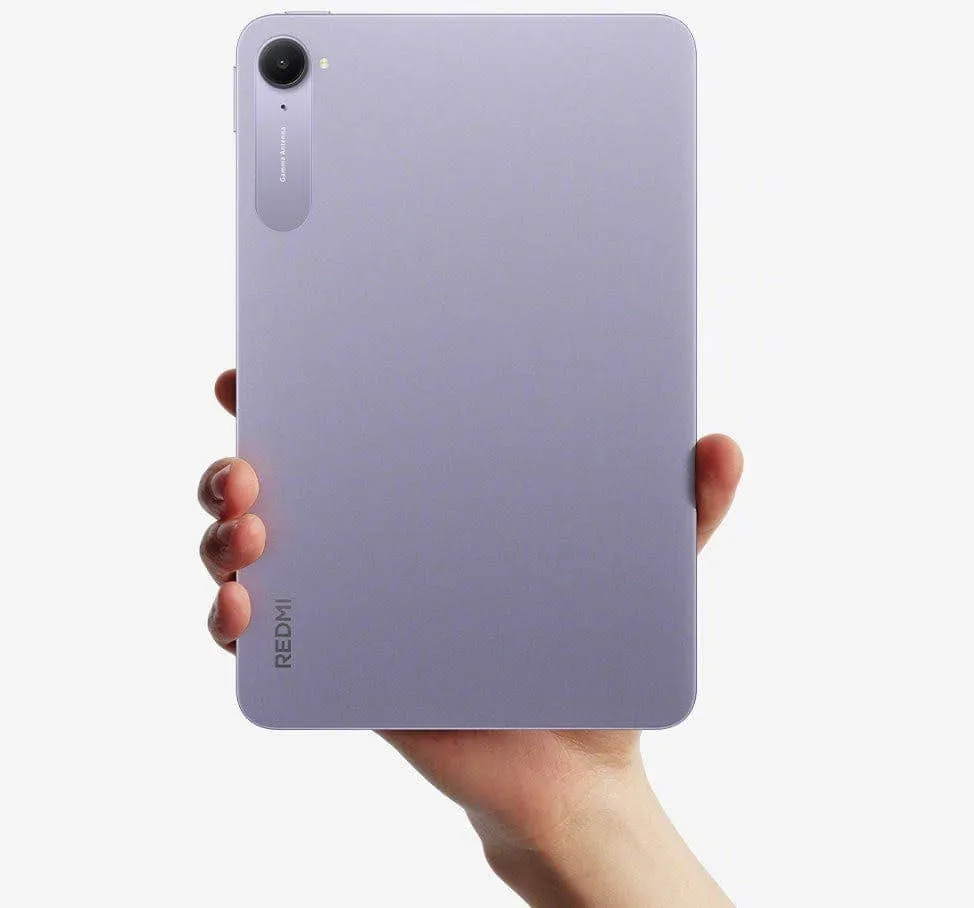
The tablet runs on the Dimensity 9400+, paired with a large vapor chamber cooling system to keep performance steady. Redmi even added dual USB-C ports—something not often seen in tablets—so you can charge and use accessories at the same time. The haptics are worth calling out too. Dual X-axis linear motors mean games feel more tactile, adding to the immersion.
With options up to 16GB RAM and 1TB storage, it scales well for heavier users. But even at its base configuration, it’s powerful enough for most people. For the price, it’s hard to find a more capable small tablet in 2025.
Picking the Right Tablet for You
All four of these tablets are impressive, but they’re not aimed at exactly the same audience. If you want the absolute best gaming performance, the Red Magic Astra is the one to beat. If balance is more important—something for work and play—the Lenovo Legion Y700 is the safer bet. Huawei’s MatePad Mini appeals to anyone who wants a lightweight, stylish device with strong creative features. And if budget is the top priority, the Redmi K Pad delivers more than you’d expect for under $400.
Mini tablets thrive because they’re adaptable. They slot into the space between oversized phones and full-blown laptops, and in many cases, they replace the need for both. That’s why they’re not just making a comeback in 2025—they’re here to stay.
Popular News
Latest News
Loading