Xiaomi has started the HyperOS 4 Global Beta, giving users outside China their first chance to try the new software. The program is still small, with only three phones included in the first wave, but more devices will join very soon.
This is also an important step toward the full HyperOS 4 global rollout. If you have one of the supported phones, you can already apply through the Xiaomi Community app.

These three Xiaomi phones are first
The first HyperOS 4 Global Beta is available for three devices:
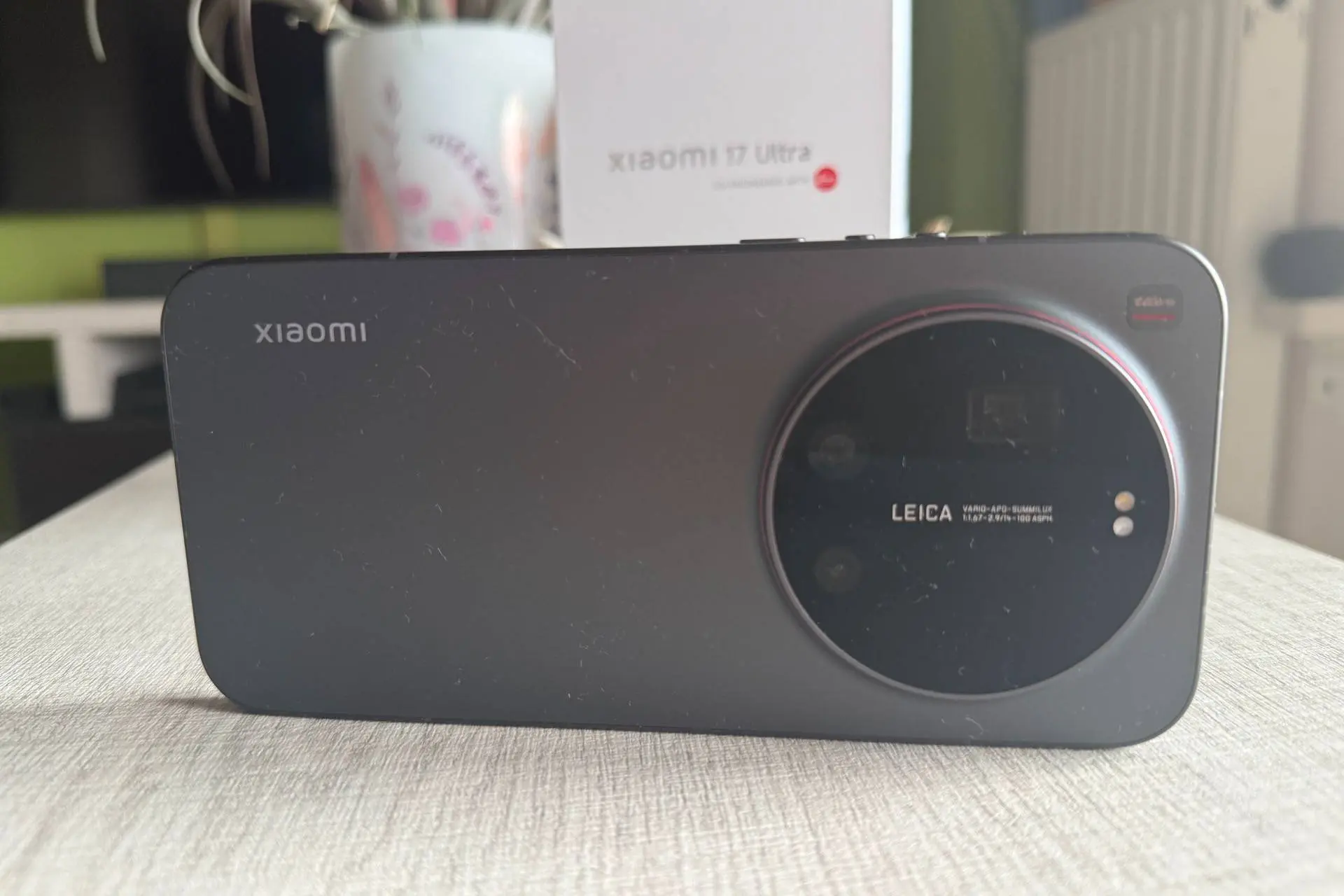
- Xiaomi 17 Ultra
- Xiaomi 17
- Leica Leitzphone powered by Xiaomi
The beta is open to Global and EEA versions of these phones. That last part is important because Xiaomi updates are tied to specific regions. Having the right phone doesn't always mean you have the right firmware.
Xiaomi isn't stopping with these three models either. Another four phones are set to join the program on September 17:
- Xiaomi 17T Pro
- Xiaomi 17T
- Xiaomi 15 Ultra
- Xiaomi 15
That means seven phones should be part of the early global testing phase before the end of September.
I'm particularly happy to see the Xiaomi 15 and Xiaomi 15 Ultra here. New phones getting HyperOS 4 first isn't surprising. Giving last year's flagship owners early access is much more useful.
How to join the HyperOS 4 Beta
You won't receive HyperOS 4 Beta just because you own one of these phones. Xiaomi requires users to apply before they can get the update.
The process is handled through the Xiaomi Community app. Open the app and head to ME > Beta testing > Recruiting test. From there, you can apply for the program and complete Xiaomi's short questionnaire.
You'll need to use the same Xiaomi Account that's linked to your phone. Xiaomi also recommends installing the latest available HyperOS 3 update before applying.
Getting accepted doesn't mean the update will appear at once. Xiaomi sends beta builds in waves, so some testers may have to wait longer than others.
Don't install it without thinking first
HyperOS 4 may sound tempting, but this is still beta software.
Early builds can have bugs. Battery life may be worse, some apps may crash and features that worked perfectly on HyperOS 3 could have problems.
Banking and payment apps are always something I'd check before installing a major beta on my main phone.
Going back isn't simple either. You can't just press a button and return from HyperOS 4 Beta to HyperOS 3 through a normal OTA update. Downgrading may require flashing the older software, which can wipe your data.
I'd install it on a secondary phone without much hesitation. On my main phone, I'd wait for the stable release.

HyperOS 4 gets a new look
Xiaomi has made several visual changes in HyperOS 4, but it hasn't thrown away the basic design of HyperOS 3.
The new Soft Light Glass style adds more transparent layers and glass effects across the interface. The result is a softer look, with menus and other elements appearing to sit above the content below them.
The lock screen has also been updated. Notifications can be grouped together, while stacked widgets give you more ways to organize the home screen.
Xiaomi has also worked on folders and the Fusion Device Center. The latter is becoming more important as Xiaomi adds more phones, tablets, watches and smart home products to its ecosystem.
The idea is to make moving between these devices easier without forcing you to manage each one on its own.
Xiaomi promises better performance too
The changes aren't limited to the design. Xiaomi says HyperOS 4 uses memory more efficiently and can keep more RAM free after several hours of use. Apps should also open faster, while the system is designed to reduce frame drops during long periods of use.
There are battery improvements too, although the exact gains will depend on the phone.
These are the changes I'm more interested in. New animations look good in screenshots, but a phone that stays fast after months of daily use is far more important. We'll need the stable version before we know how much difference HyperOS 4 really makes.
The global rollout is finally moving
The start of the Global Beta means HyperOS 4 is no longer just something Xiaomi users in China can watch from a distance.
The Xiaomi 17 Ultra, Xiaomi 17 and Leica Leitzphone powered by Xiaomi are first. The Xiaomi 17T, 17T Pro, Xiaomi 15 and 15 Ultra are expected to follow on September 17. More devices should join later, although Xiaomi hasn't shared the full Global Beta schedule yet.
If you have a supported secondary phone, the beta could be worth trying. If it's your main device, I'd wait. HyperOS 4 looks promising, but getting new features a few weeks early isn't worth dealing with broken apps or losing your data.
Popular News
Latest News
Loading