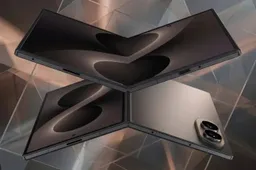
Major Android updates rarely land without endless delays, yet software surprises still happen when you least expect them. Smartphone owners often brace themselves for month-long wait times (like Xiaomi or Samsung), expecting flagship devices to sit on older code while beta testing happens behind closed doors. Having that said, it seems that a massive software upgrade is suddenly making its way to select Xiaomi flagships right now, at least according to what some users say.

Summary
- The latest stable build of Android 17 is officially reaching flagship hardware earlier than expected.
- The update disguises itself as a routine security maintenance patch in system prompts.
- A massive 7.2GB download payload exposes the true scope of this system update.
- Top flagship models receive priority access while vanilla variants await their turn.
- Xiaomi keeps its HyperOS 3 branding - however the main operating system inside is new.
Stealth Software Deliveries
Don't be fooled by small system notifications. A routine prompt might claim it's just delivering basic security fixes, but the download bar tells a completely different story.
One thing that seems strange however is the size of the update. It requires 7.2GB of free storage space, so I think that something much larger is clearly happening under the hood. I suppose most users won't read the detailed release notes before hitting the update button anyway. But here's the catch: downloading this file secretly upgrades your device to stable Android 17.
When a routine monthly security patch demands a massive 7.2GB download, you aren't just getting minor bug fixes — you're getting a whole new OS.
HyperOS 3 Under the Hood
So what's really happening? Owners of the Xiaomi 17 and Xiaomi 17 Ultra are already reporting successful upgrades across international regions. Even the Xiaomi 17T Pro is getting early flagship treatment.

Oddly enough, Xiaomi hasn't changed the user-facing interface name at all. The interface remains branded as HyperOS 3, matching the previous software build based on older code. That creates a peculiar situation where the surface aesthetics look identical while the underlying platform leaps ahead.
Read also
Flagship Tier Priorities
Pixels got it first. That was expected, given Google's direct control over native software releases. Yet watching non-Google hardware secure a finished version so quickly remains a rare treat in this industry.
The vanilla Xiaomi 17T hasn't joined the party yet. Size tells the story, and tier hierarchies still dictate who gets software first. If your flagship prompts you for a gigantic update, take the plunge — your phone is stepping into the future early.
Popular News

Latest News
Loading