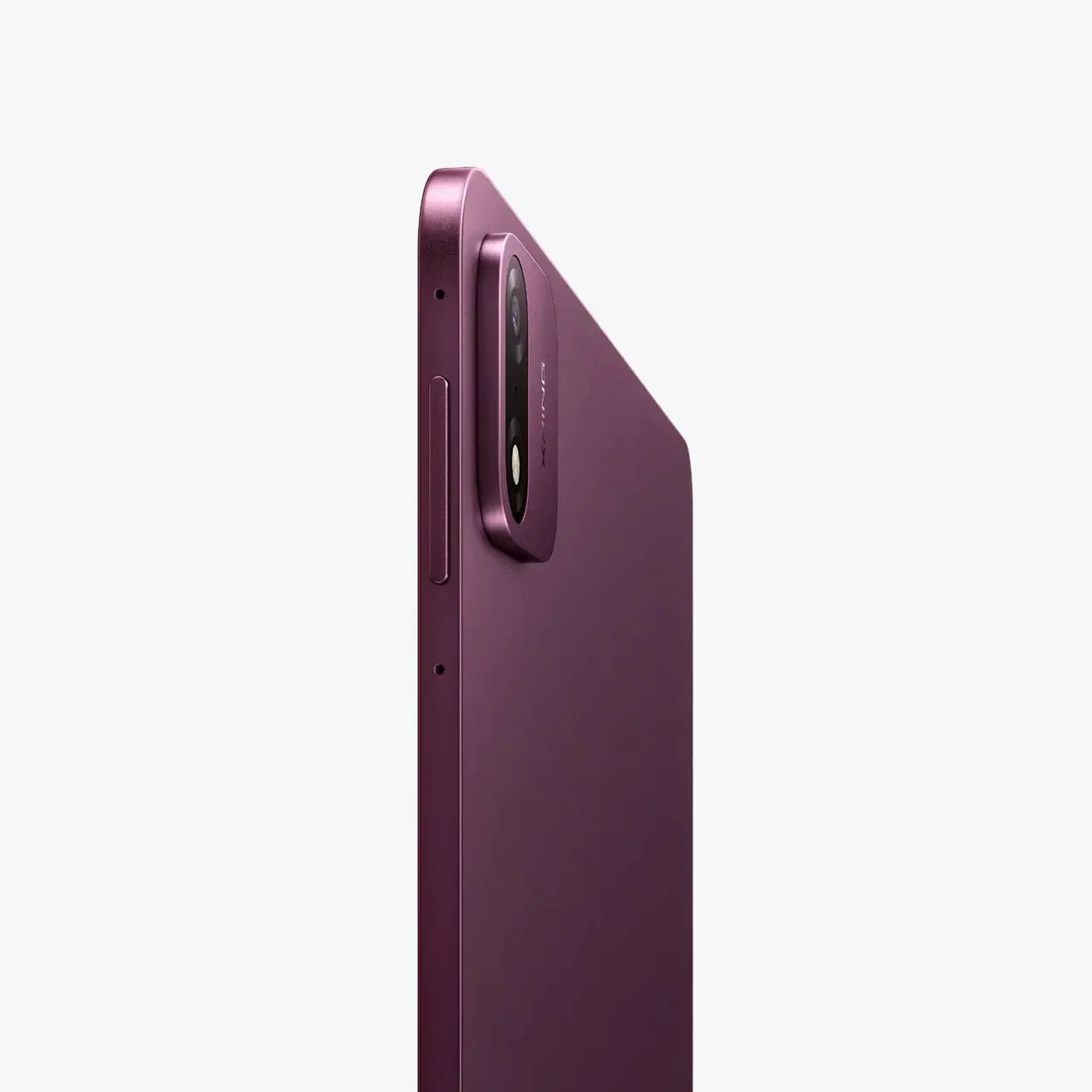
Xiaomi has a new reason to be proud of its own chip. The Xiaomi Pad 9 Pro Max has topped AnTuTu's September 2026 Android tablet rankings, beating the iQOO Pad Ultra and its Snapdragon 8 Elite Extreme Gen 6 processor.
The Xiaomi tablet scored 5,233,432 points, putting it well ahead of its closest rival. It uses Xiaomi's own Xring O3 chip, paired with 16GB of RAM and 1TB of storage in the tested version.

Xiaomi beats Qualcomm by a clear margin
The iQOO Pad Ultra came second with 4,621,376 points. That puts the Xiaomi Pad 9 Pro Max about 13% ahead, despite the iQOO tablet using Qualcomm's latest flagship chip and an active cooling fan.
The difference is not down to the processor alone, though. Xiaomi's tested model uses faster LPDDR6 memory, while the iQOO Pad Ultra relies on LPDDR5X Ultra. Both tablets have 16GB of RAM and 1TB of storage, but the memory type could help explain some of the gap.
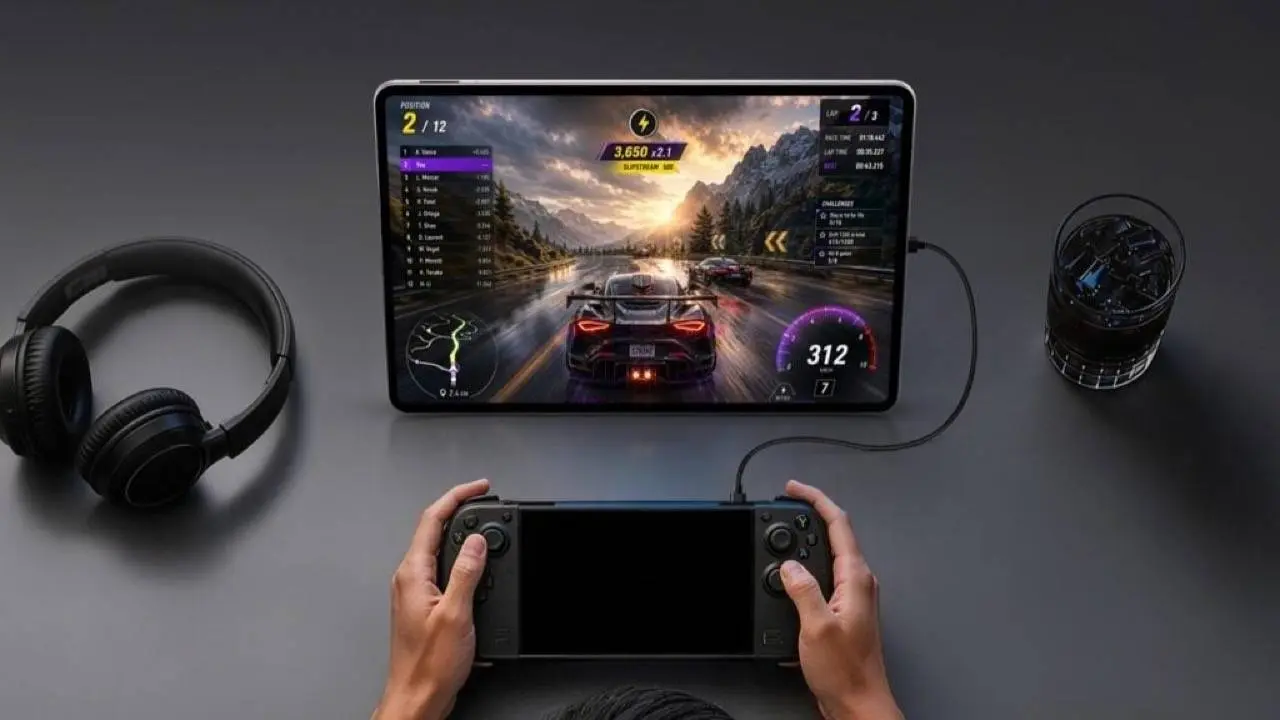
The Xiaomi Pad 9 Pro Max also has a much larger 13.3-inch body. That gives it more room to spread heat than the smaller 8.8-inch iQOO gaming tablet. Cooling and memory can both affect benchmark results, so this is not a simple win for the Xring O3 in every situation.

The rest of the top 10 uses Snapdragon
The REDMAGIC Gaming Tablet 5 Pro takes third place with 4,379,977 points. The Lenovo Legion Y700 Ultimate and vivo Pad 6 Pro follow in fourth and fifth place.
The rest of the list includes tablets from Lenovo, iQOO, Honor, OnePlus and OPPO. All eight models ranked from third to tenth use Qualcomm's Snapdragon 8 Elite Gen 5. No MediaTek-powered tablet made the top 10 this time.

Xiaomi's chip is becoming a serious rival
This result matters because Xiaomi is no longer relying only on Qualcomm for its high-end devices. The Xring O3 has now helped the Xiaomi 18 Fold top AnTuTu's flagship phone rankings, and the Pad 9 Pro Max has done the same in the tablet category.
I think this is an important step for Xiaomi. Building a competitive chip takes more than a high benchmark score, but leading two major rankings gives the company a strong start. The next test is how well these devices perform in games and demanding apps over longer periods.
Popular News



Latest News
Loading