Xiaomi has finally shown the Pad 9 Pro Max ahead of its launch in China. The new flagship tablet comes with a huge 13.3-inch display, Xiaomi's own Xring O3 chip and HyperOS 4, with a clear focus on getting more real work done on a tablet.
And at this size, Xiaomi isn't really trying to compete with normal Android tablets anymore. The Pad 9 Pro Max looks much closer to a laptop once you add a keyboard.

A much bigger Xiaomi tablet
The 13.3-inch LCD display is one of the biggest changes. Xiaomi says the larger screen gives users more room for work, drawing, video editing and other tasks that are usually easier on a PC.

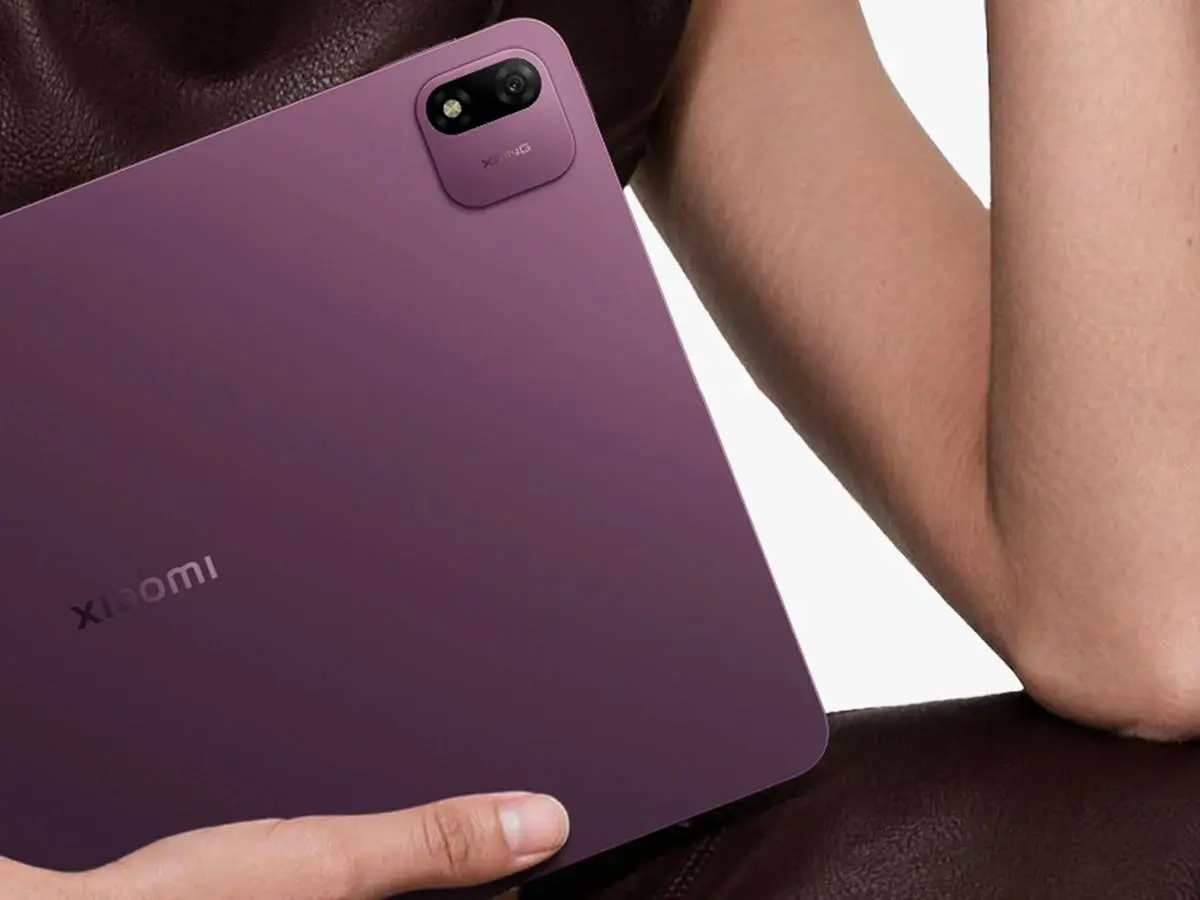
Xiaomi has also shown the design for the first time. The tablet has flat sides, thin bezels and a clean rear panel with two camera rings in the corner. A keyboard case and stylus will also be available, which makes Xiaomi's laptop plans even more obvious.
There will also be a special soft-light display version. This should cut glare and make the screen easier on the eyes, especially when reading or working for long periods.

Xring O3 makes its tablet debut
The Pad 9 Pro Max will be Xiaomi's first tablet with the new Xring O3 chip. It uses a 10-core CPU that can reach 4.35GHz, along with a new 16-core G2-Ultra NX GPU.
Xiaomi claims graphics performance is up by 85 percent, while power use has dropped by 64 percent. Early benchmark results also look very strong, but I wouldn't read too much into those numbers yet. A large tablet needs to stay fast during long work and gaming sessions, not just score well in a short test.

Still, I like what Xiaomi is doing here. Using its own flagship chip in both phones and tablets gives the company much more control over its hardware and software. Apple has shown how useful that can be, and Xiaomi clearly wants to follow a similar path.
HyperOS 4 is built for the big screen
The tablet will also be one of the first devices to ship with HyperOS 4. Xiaomi says the software has been tuned for large screens and can run PC-level apps, which could make the Pad 9 Pro Max far more useful for work.
Battery life shouldn't be a problem either. The tablet is expected to have a battery larger than 10,000mAh, with fast 120W wired charging. Storage options could reach 1TB, while the tablet should weigh around 650 grams.
The Xiaomi Pad 9 Pro Max will launch in China on September 7, alongside the Xiaomi 18 Fold. Pricing is still unknown.
For me, the most interesting part isn't the huge screen or even the Xring O3 chip. It's Xiaomi's push to make Android tablets feel less like big phones and more like real computers. If HyperOS 4 and those PC apps deliver, the Pad 9 Pro Max could be one of Xiaomi's most interesting tablets yet.
Popular News


Latest News
Loading