Xiaomi Smart Storage Is Official — Its First NAS Launches July 1 Via Crowdfunding
Xiaomi NewsWednesday, 24 June 2026 at 10:31
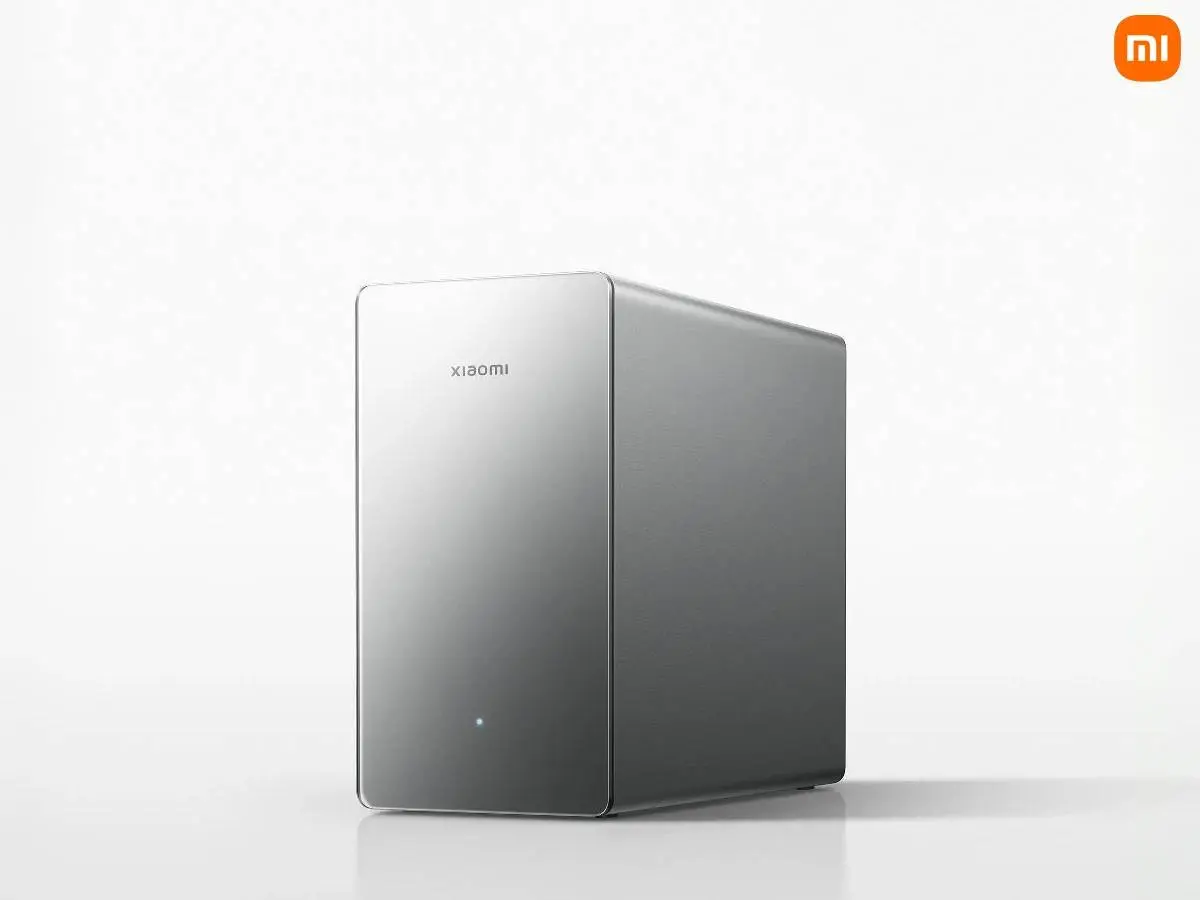
Xiaomi has officially announced its first network-attached storage device, the Xiaomi Smart Storage, entering a market long controlled by Synology, QNAP, Ugreen, and Huawei. The product goes to crowdfunding on July 1, and for once the crowdfunding route isn't a hedge — it's a pricing play. The entry configuration at ¥2,299 (~$338) undercuts Huawei's home NAS starting price by ¥100, arriving in a market projected to grow from ¥712 million in 2023 to nearly ¥9.6 billion by 2030.

Summary
- Xiaomi Smart Storage launches on crowdfunding July 1–8 in three dual-bay configurations: 4TB at ¥2,299 (~$338), 8TB at ¥2,899 (~$426), and 16TB at ¥4,699 (~$690) — with retail prices significantly higher.
- Confirmed hardware includes USB 3.0, HDMI, 2.5G Ethernet, and support for both 2.5-inch and 3.5-inch SATA drives across a 200.5 × 85 × 16mm chassis.
- The Xiaomi Smart Storage app is already live on the App Store and Google Play, covering photo backup, family file management, remote access, AI-powered photo albums, and movie poster-wall libraries.
- The device is cross-platform compatible — Android, iOS, Windows, macOS, and Linux — and integrates with Xiaomi's full HyperOS ecosystem including TVs, tablets, and smart home devices.
- Docker support is not confirmed, making this a consumer-grade device aimed at Mi Home users rather than enthusiasts.
A Product That Wasn't Planned — Until Users Asked for It
The origin story of this product is worth telling. Xiaomi wasn't planning a NAS. The idea surfaced accidentally in May 2025 when a schematic showing a "10G NAS" appeared in promotional images for Xiaomi's Gigabit and 10GbE switch lineup. User reaction in China was immediate and loud enough that Xiaomi's Ecosystem General Manager Chen Bo confirmed the company would build one. A year of development, one delay past the intended Xiaomi 17 Ultra launch window, and a full app release later — it's here.
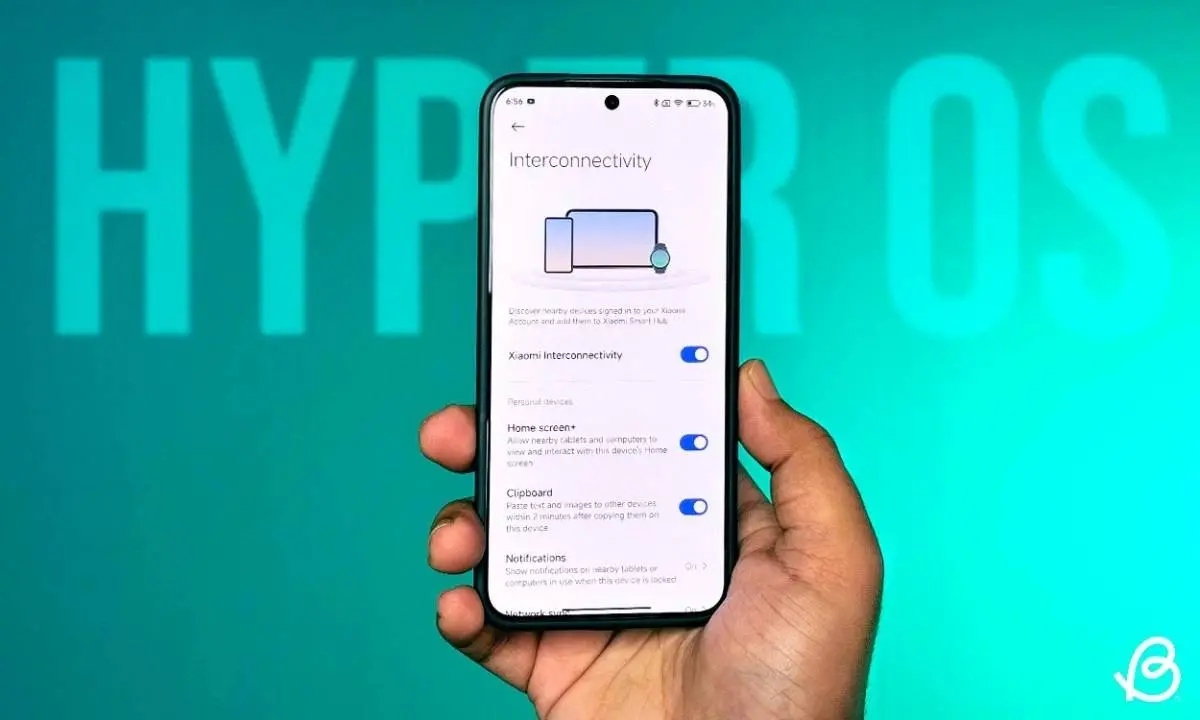
That accidental origin shows in the product philosophy. Xiaomi's NAS is designed to work seamlessly with its ecosystem of smartphones, TVs, tablets, and PCs, with AI-based photo albums, on-demand playback, movie scraping for private theater poster-wall libraries, and mobile phone storage expansion at its core. This is a Mi Home peripheral, not a power-user server.
Pricing That Makes the Incumbents Nervous

Huawei's home NAS starts at ¥2,399 and above. Based on Xiaomi's earlier product questionnaire, many analysts expected the Xiaomi NAS to land between ¥999 and ¥1,999 — a price that would have been genuinely disruptive. The actual crowdfunding prices are slightly higher than that, but the ¥2,299 entry point still matches Huawei's cheapest model on paper. Given Xiaomi's retail pricing is set at ¥3,499 for the same configuration, early backers are getting a meaningful discount. Anyone who waits pays Huawei money for Xiaomi hardware.
"Xiaomi didn't plan to build a NAS. A promotional image of a 10GbE switch accidentally showed a NAS use case, users demanded it loudly enough that Xiaomi's Ecosystem GM committed to building one, and 13 months later it's on crowdfunding."
Hardware That's Confirmed — and What's Missing
The Xiaomi Smart Storage supports 2.5-inch and 3.5-inch SATA drives and is compatible with Android, iOS, Windows, macOS, and Linux. The spec sheet on the product's packaging lists dimensions of 200.5 × 85 × 16mm with USB 3.0, HDMI, and a 2.5 Gbps Ethernet port. The chassis design, visible in app screenshots, shows a black cube with ventilation across the upper half and a port cluster at the bottom — clean consumer design rather than server-room aesthetic.
Docker support is not confirmed, and Xiaomi appears to be positioning this as a plug-and-play consumer device rather than a flexible enthusiast platform — following the same approach Huawei uses with its home NAS lineup. If you need containers, look elsewhere. If you want automatic phone backup, family photo libraries, and seamless Xiaomi ecosystem integration without managing a server, this is exactly what Xiaomi built.
International availability hasn't been confirmed. The crowdfunding window closes July 8.
Popular News



Latest News
Loading