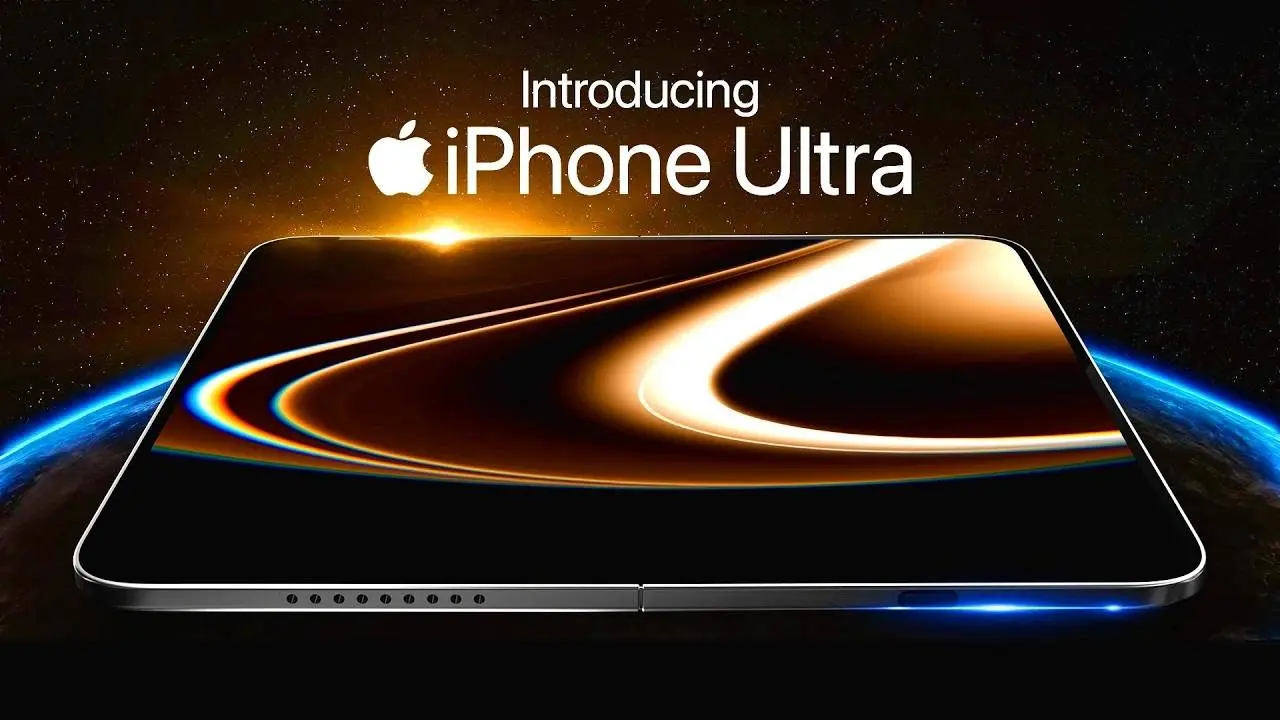
Apple has been unusually disciplined about not confirming its foldable iPhone. iOS 27, announced at WWDC on June 8, is considerably less disciplined. Three separate discoveries in the developer beta — two framework strings and a new display count API — combine with Apple's own developer guidance at the Platforms State of the Union to paint a picture that's difficult to interpret any other way.
Summary
- "foldState" and "angleDegrees" strings confirmed: Developer Sam Henri Gold found both terms in iOS 27's frameworks — confirmed independently by 9to5Mac. Neither was present in iOS 26.
- New multi-display API: A new system key returns the total count of built-in displays on a device — on every iPhone ever shipped, that number is one.
- Developer guidance goes beyond iPad: Apple told developers at the Platforms State of the Union to design apps for "a dynamic range of sizes and aspect ratios" — framing that extends well past iPhone Mirroring.
- September announcement, possibly December availability: The foldable is widely expected to be announced alongside the iPhone 18 Pro in September, though production delays reported in May suggest customer deliveries could slip to December.
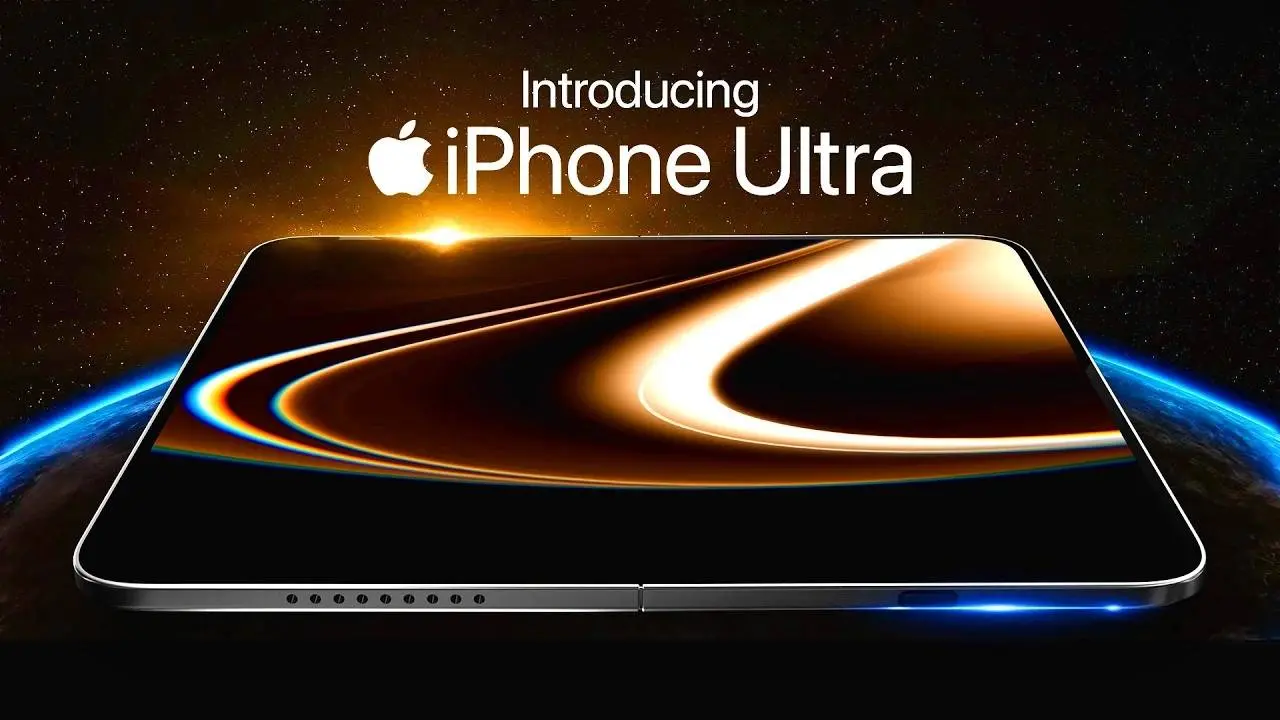
- Hardware specs from prior leaks: 7.8-inch inner display, 5.5-inch cover display, Touch ID, titanium frame, Liquid Metal hinge, dual rear cameras, A20 chip, C2 modem — starting above $2,000.
The Code That Apple Didn't Quite Hide
Developer Sam Henri Gold found two strings inside iOS 27's frameworks that go beyond generic layout flexibility: "foldState" and "angleDegrees." Those are not abstract dimension parameters — hinge angle and fold state are conditions that only arise when a device physically changes shape around a mechanical pivot. A standard iPhone has no concept of either. The fact that iOS 27 is tracking both suggests the OS is being built to respond to physical folding events in real time.
9to5Mac verified the existence of these references, confirming they were not present in iOS 26 at all. That absence-then-appearance pattern is significant. Framework strings can sometimes be placeholders or experimental code that never ships — but strings that weren't there last year and are now present, in a release year when a foldable is broadly expected, carry more weight than a random internal experiment.
The third find adds specificity: a new system key that returns the total count of built-in displays on a device. On every iPhone Apple has ever shipped, that number is one. An API that queries that count suggests the OS is being built to handle a device where the answer can be something else.

What Apple Said Out Loud
The framework strings are developer discoveries. The Platforms State of the Union guidance was Apple speaking directly. During the session, Apple told developers to move away from designing apps for specific devices and fixed orientations, and to instead target what it called "a dynamic range of sizes and aspect ratios." Apple simultaneously introduced support for resizable iOS apps in iPhone Mirroring and on iPad, with a new resizable iOS simulator in Xcode allowing developers to test layouts across arbitrary screen sizes.
That does sound useful for iPad and Mac users, but it sure seems like a prelude to introducing an iPhone with a new form factor — especially since the foldable iPhone could be announced this fall, meaning it would be running iOS 27. Developers who rebuild against the latest SDK will have their apps automatically opted in to resizability, Apple said — a platform-level commitment that would apply to any form factor iOS 27 ships on.

The Manufacturing Reality
The software readiness signals are strong. The hardware situation is more complicated. Production was running one to two months behind schedule as of last month, with a fall 2026 announcement still targeted alongside the iPhone 18 Pro models but customer availability potentially slipping to December. Software readiness and hardware readiness are on different timelines — iOS 27 being prepared for a foldable doesn't mean the physical device clears Apple's durability and yield thresholds before September. The framework strings confirm the intent. They say nothing about the manufacturing schedule.
What It's Called Is Still Unclear
The input calls it "iPhone Ultra." Multiple credible publications — Apple Insider, Engadget, Gadget Hacks — refer to it as "iPhone Fold." Neither name has been officially confirmed by Apple. The device will carry whatever name Apple assigns at announcement, and that name remains unknown. Both designations circulate in different leak pipelines and the article's readers should understand neither is authoritative.
Popular News
Latest News
Loading