The 1TB and 2TB iPhone 18 Pro Models Have Slower QLC Storage
AppleThursday, 24 September 2026 at 04:44
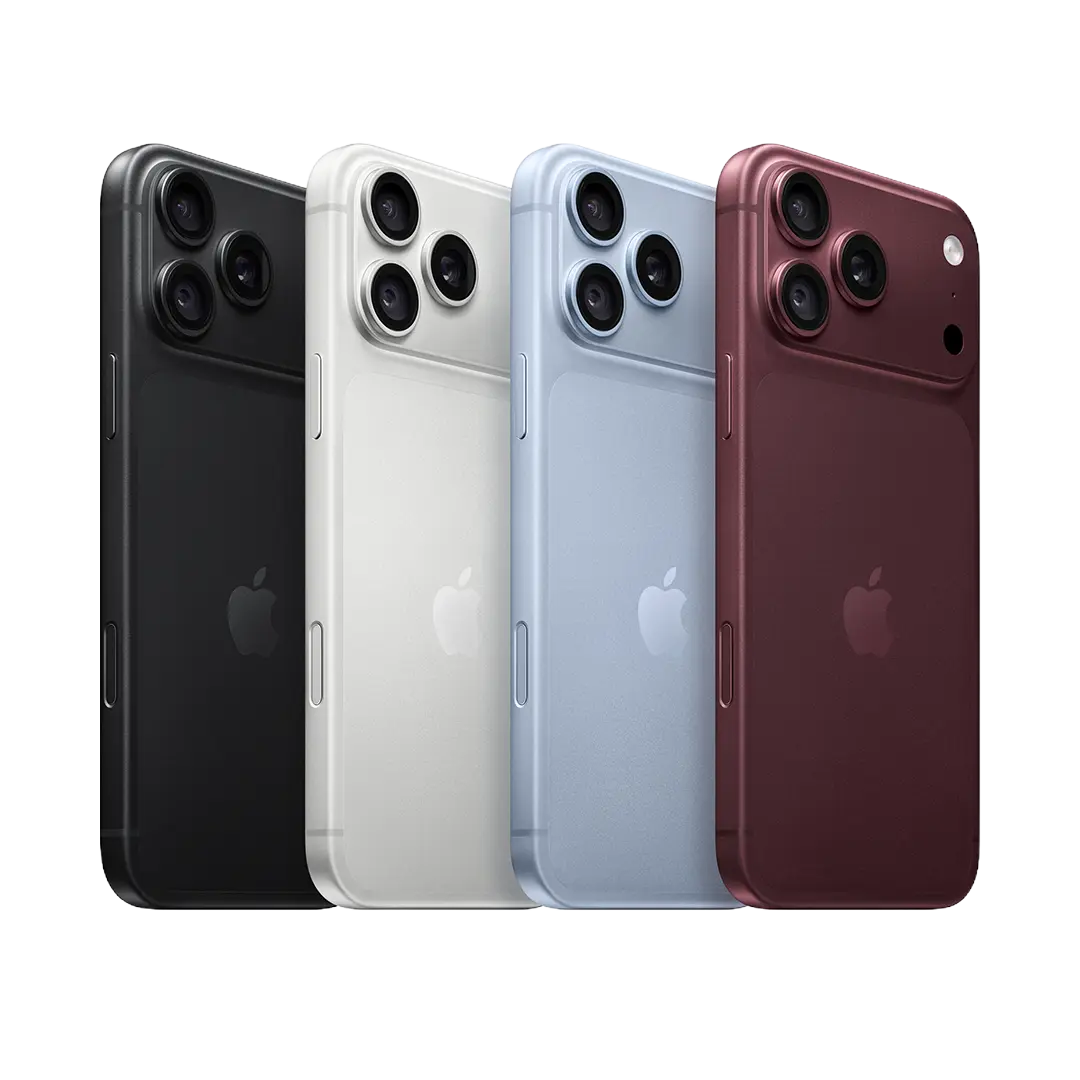
Apple introduced larger capacity options to the iPhone lineup with last year’s iPhone 17 Pro series, which included a new 2TB option. This year’s iPhone 18 Pro and iPhone 18 Pro Max still offer four storage tiers: 256GB, 512GB, 1TB, and 2TB. However, there is an important and notable difference between them.
According to tests conducted by Homolab, Apple uses different types of flash memory across its iPhone models depending on the storage capacity. A screenshot from a video posted on the Chinese video platform Bilibili compares two iPhone 18 Pro Max units: a 512GB version and a 1TB model. The 256GB and 512GB versions both use TLC NAND, while the 1TB and 2TB versions use QLC.
QLC has a major advantage for storage manufacturers. It can pack four bits of data into each NAND cell, compared to three bits with TLC. This allows manufacturers to offer higher capacities at a lower cost. The downside is that QLC is slower to write and has lower endurance than TLC.
It seems Apple has attempted to offset the slower performance of QLC storage by using a three-tier caching architecture in its newer devices. The fast SLC cache, which stores only one bit of data per cell, handles the initial burst of writes. Data then moves to the slower TLC cache before eventually being written to the QLC storage.

When Homolab tested an empty iPhone 18 Pro, it managed to reach write speeds of up to 3,000MB/s through the SLC cache. Once the SLC cache was exhausted, writes were redirected to the TLC layer, resulting in speeds of around 578MB/s.
The biggest slowdown occurred when both caches were full. At that point, the phone had to write directly to the QLC storage. Speeds fell to around 79.4MB/s, with some readings dropping as low as 25.6MB/s.

Another issue is that the SLC cache becomes smaller as the drive fills up. When the storage was empty, the SLC cache measured around 250GB. Once 60% of the drive was in use, the cache had shrunk to around 58GB. The TLC and QLC layers also became slower. The TLC cache measured around 396MB/s when the drive was 60% full, while the QLC storage dropped to just 1.1MB/s during sustained writes.
Key Points
- The 256GB and 512GB iPhone 18 Pro models use TLC NAND.
- The 1TB and 2TB versions use QLC NAND.
- QLC can offer higher capacity at a lower cost, but it is slower and has lower endurance.
- Apple uses SLC and TLC cache layers to help offset QLC's lower performance.
- Sustained write speeds drop sharply once the caches are full.
- The 1TB QLC model was around 38% slower than the 512GB TLC version in some random-read tests.
Read also
QLC Is Also Slower For Random Reads
The slowdown is not limited to sustained writes. The 1TB iPhone 18 Pro Max with QLC was around 38% slower than the 512GB TLC version during 4K random reads at low queue depths. When the number of concurrent requests increased, the difference narrowed to around 12%.
Those numbers come from synthetic benchmarks, so they do not necessarily mean the phone will feel 38% slower during everyday use. Most normal tasks will not put the storage under the same continuous load as these tests.
However, the results show that the 1TB and 2TB models are not simply scaled-up versions of the 256GB and 512GB variants. The higher-capacity models use different NAND chips, and this does have an impact on performance under certain workloads.

Why Is Apple Using QLC?
Flash storage becomes more complex as manufacturers increase capacity. SLC (single-level cell) flash is the fastest but also the most expensive because it stores only one bit per cell. MLC (multi-level cell), TLC (triple-level cell), and QLC (quad-level cell) increase the number of bits stored in each cell, reducing costs at the expense of performance and durability.
It is also worth noting that the iPhone 17 Pro and Pro Max used TLC NAND for both their 1TB and 2TB storage options. The switch to QLC on the iPhone 18 Pro therefore marks a change in Apple's approach.
Whether users notice the difference in real life will depend on how they use their phones. The clearest impact should come during sustained large writes, when the caches have been filled and data is being written directly to the QLC NAND. Tasks such as app loading, web browsing, and normal camera use are less likely to expose the difference.
Ironically, the arrival of slower NAND comes at a time when flash memory prices have also skyrocketed.
Popular News
Latest News
Loading