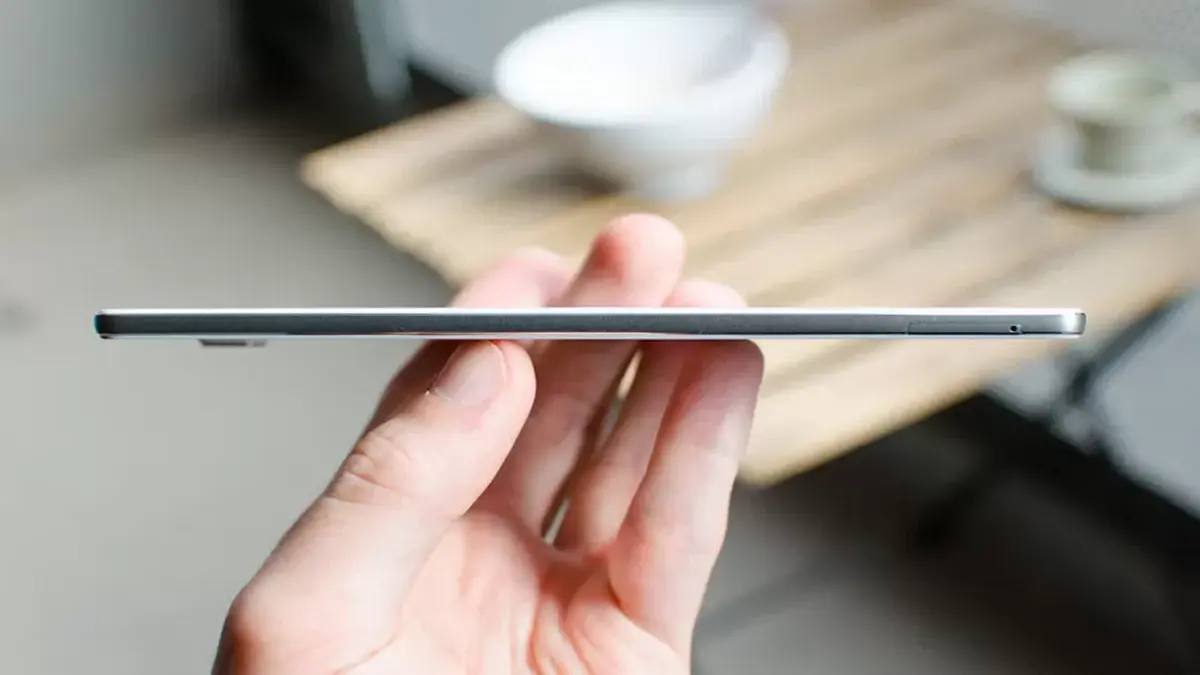
During the last year, we've heard multiple times about the second advent of super-thin phones. Both Samsung and Apple were the ones pointed to a revisit to this particular trend that was a thing among Chinese brands years ago. While super-thin smartphones sounded cool, they made some compromises to achieve a slim form factor. The biggest sacrifice is always the battery. Back then, consumers were always saying "Stop making phones thin, and focus in battery". For a while, this sounded like a solid trend, but it faded when the companies decided to listen to consumers and prioritize other things. Now, however, we're seeing the second advent of super-thin smartphones, and Samsung and Apple are at the front indeed. But again, are we asking for it?
Samsung Galaxy S25 Edge and iPhone 17 Air: The Embassadors of the Super-Thin Smartphones Trend

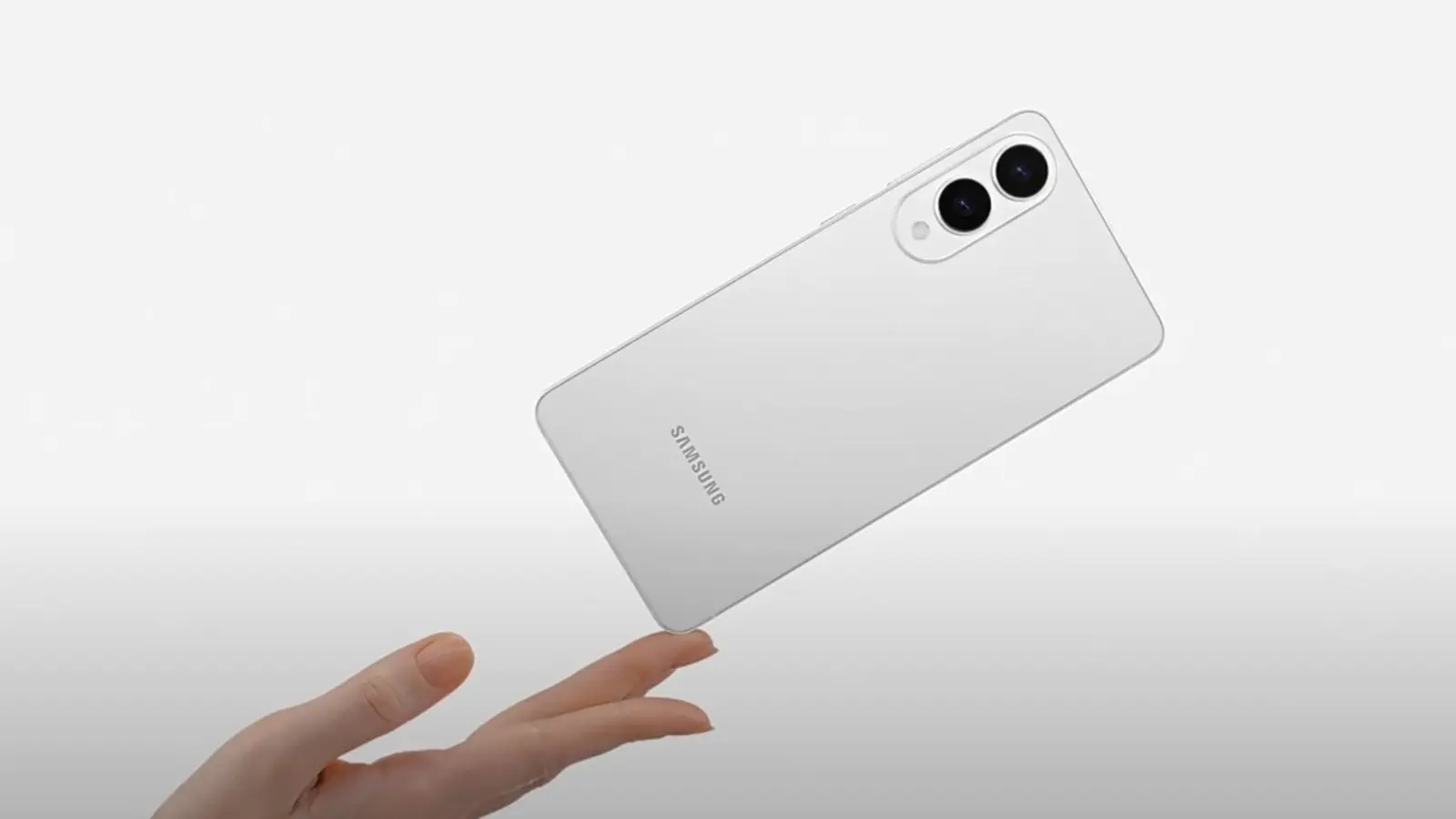
Samsung has already unveiled the Galaxy S25 Edge, showcasing one of the slimmest flagships the company has ever built. The device has just 5.8mm thickness. For months before its launch, we've called this phone Galaxy S25 Slim. But instead, Samsung opted for bringing back the "Edge" moniker. Perhaps to play with something that users are familiar with. The device doesn't have the fancy edge display like the first Edge smartphones. Instead, it focuses only in being super-thin.

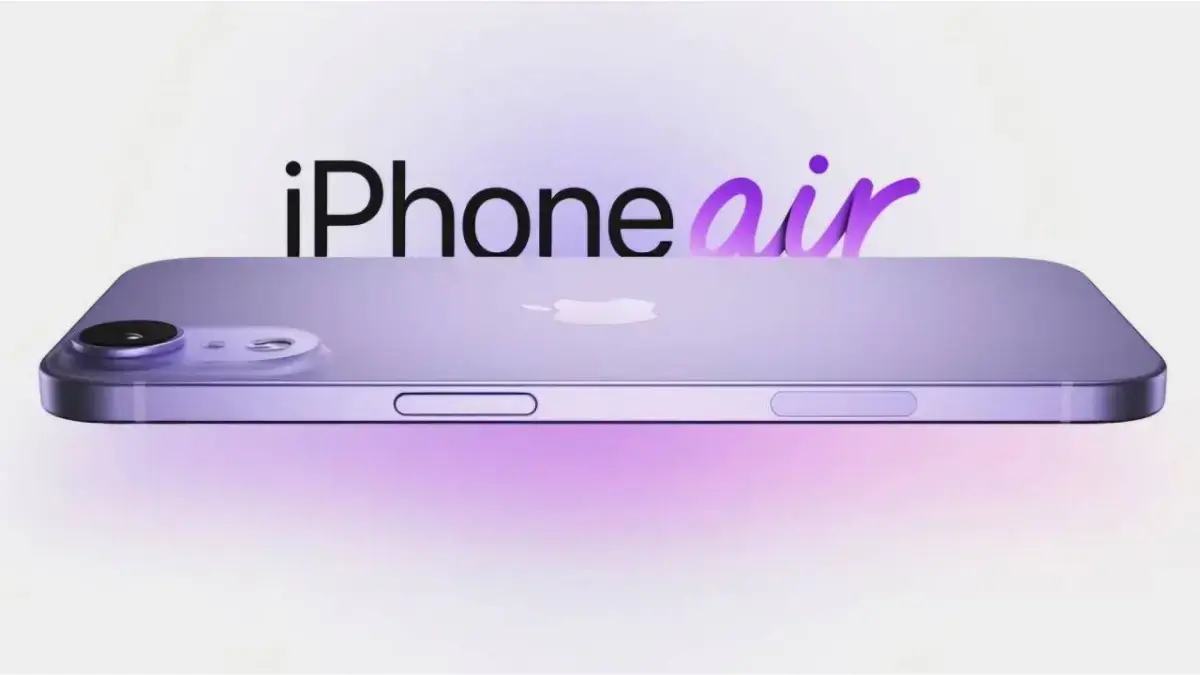
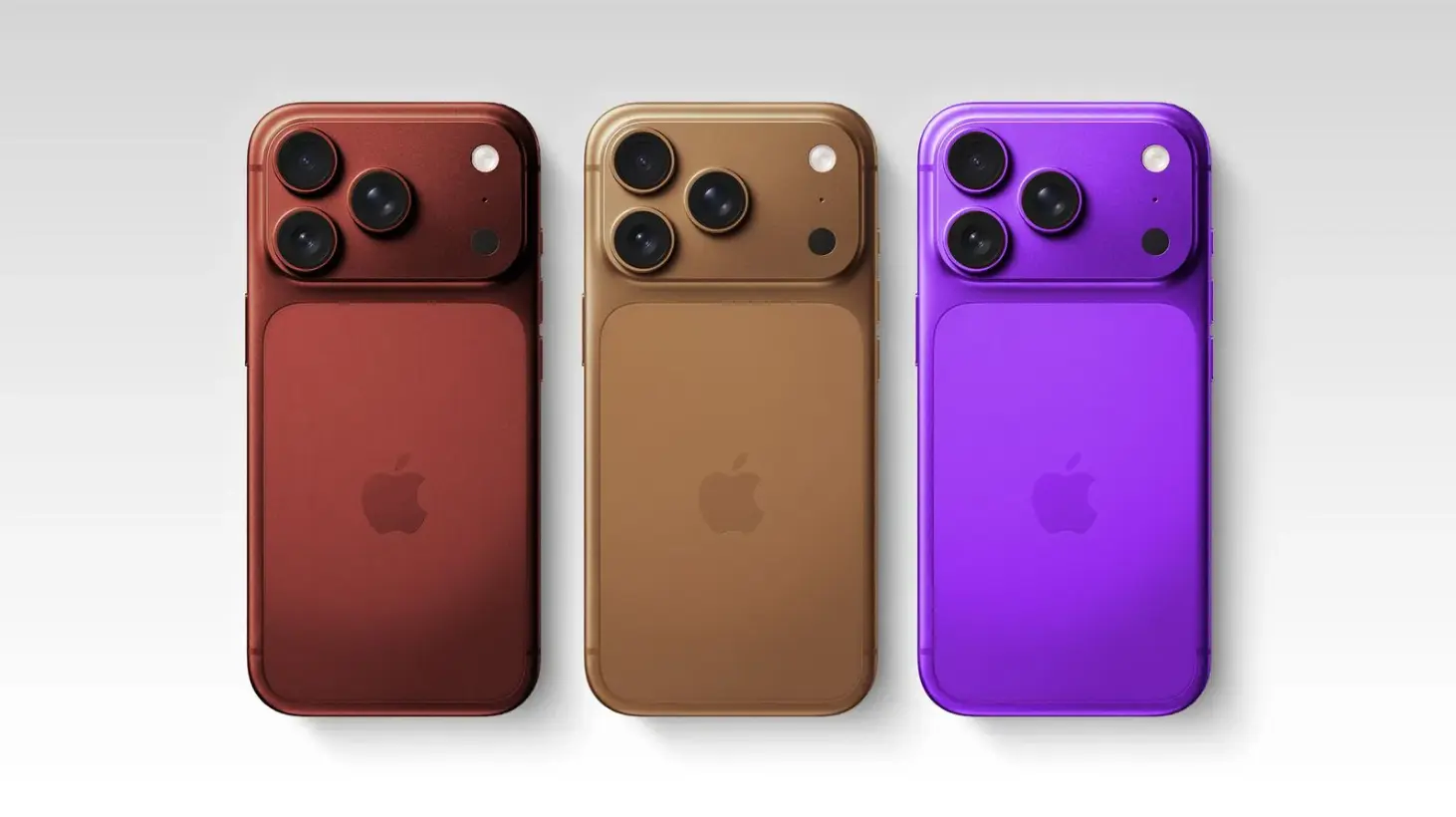
Apple, never one to stay out of the spotlight, is expected to answer on September 9 with the iPhone 17 Air, rumored to be just 5.5mm thick. Together, these launches mark a new front in the smartphone race: extreme thinness.
On paper, the idea may sound futuristic. A phone so light and slim that it vanishes into your pocket. But there’s an uncomfortable question here—did anyone actually ask for this?
The Cost of Chasing Thinness
Phones can only shrink so much before something essential gets cut. The biggest casualty is obvious: battery capacity. A device measuring just 5.5mm cannot house the same battery as a thicker competitor. Even with efficient chipsets and software tricks, the physics don’t change. A thinner body means less endurance, more time tethered to a charger, or carrying around a power bank just to make it through the day.
The Galaxy S25 Edge already tell us a lesson about this. The device has a small 3,900 mAh battery. Back in 2015, we probably would consider this amazing. After all, 3,000 mAh was amazing back then. But now, we are in 2025, and we have flagships with 6,000mAh or even 7,000mAh emerging thanks to the silicon-carbon technology. A super thin smartphone could be interesting with the aid of this technology, but both Apple and Samsung are very conservative.
The irony in this new trend is that year after year, surveys show battery life as one of the most important features for buyers. And yet, we’re moving toward designs that push in the opposite direction.

Who’s Driving This?
So is this a response to consumer demand—or are brands manufacturing a new desire to stand out in a crowded market? History offers a warning. Some of the slimmest devices in the past were praised for looks but criticized for weak endurance and fragile builds. Still, the cycle continues, with thinness serving as an easy marketing hook.
It might not be about what people want at all. It might just be about what companies can sell as “the next big thing". Apple, for example, needs a fourth device in its lineup. It tried with the iPhone mini, but it was a commercial failure. Then, we saw the iPhone Plus - a larger vanilla iPhone trying to appeal to those who prefer a large device like the iPhone Max. However, the sales proved that people don't simply want a lesser iPhone with a large display. Now, the iPhone 16 Plus won't see the light of day, and the iPhone 17 Air will take its place. So, we have another attempt for Apple to fit a fourth iPhone model in its portfolio.

Tecno's Spark Slim Has Just 5.75mm But Promises a Large Battery... When it Gets Launched
Finding the Balance
Slim designs can be useful. A lighter phone is easier to hold and carry. But there’s a difference between practical elegance and compromise for the sake of aesthetics. A device that looks great but dies before the end of the workday isn’t progress—it’s regression dressed up in premium materials.
The real breakthrough will only come when thinness can coexist with meaningful advances in battery technology. Denser energy cells, new materials, or entirely different energy solutions may someday make that possible. Until then, it’s fair to ask if we’re letting marketing steer the industry more than actual user needs.
A Look Into the Past

Like we've said before, super-thin smartphones aren't a new thing. Oppo played with this trend several years ago. The Oppo R5 was unveiled in October 2014 as the world's thinnest smartphone with just 4.85mm thickness. It was cool, but its 2,000mAh battery could easily put customers away. It gave the company a record, but funnily, we're not seeing Oppo interested in playing with this again.
The Perfect Thin Smartphone
Another irony is that these super-thin smartphones could bypass the battery limitation - but they're made by Samsung and Apple. Both companies are taking a conservative approach to battery tech and charging tech.
Chinese brands already found the next big thing in battery technology - silicon carbon. This technology allows manufacturers to fit more energy without expanding the footprint of a battery. As a result, we're seeing devices that have a standardized thickness with huge batteries. The POCO X7 Pro, for example, has a 6,000mAh battery but is just 8.3 mm thick. Other brands are testing the limits of such technology with 7,700mAh batteries and above. The Chinese brands are also constantly evolving their charging tech. The same POCO X7 Pro charges at 90W.

A super-thin smartphone could easily benefit from a Silicon-carbon technology. In the end, if Chinese brands decide to adopt the new trend, they will probably do better with a super-thin smartphone featuring a large battery and rapid charging. That would easily fix some of the biggest compromises in the new trend.
Samsung and Apple are limited to lithium-ion batteries for this year, and probably for the next. They're also limited in their charging speeds; Samsung is stuck at 45W, probably fearing another Galaxy Note 7 fiasco. Apple is also stuck at the same 20W-45W, and will probably remain there for a long time. In the end, while both companies have an idea here, it will likely be better executed by the competition. The question is whether their branding power will be enough to sell these smartphones, or they will have a similar fate to other failed devices.
Read also
Conclusion
The Galaxy S25 Edge is already here, and the iPhone 17 Air is set to follow. They may set the tone for a new trend in smartphone design. But before we celebrate the arrival of super-thin smartphones, it’s worth asking whether this is true progress—or just another distraction from the things that matter most: performance, durability, and lasting power.
Because no one remembers how slim their phone was when it runs out of charge halfway through the day.
Popular News
Latest News
Loading