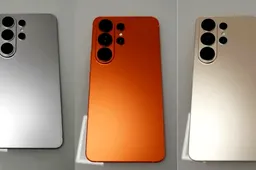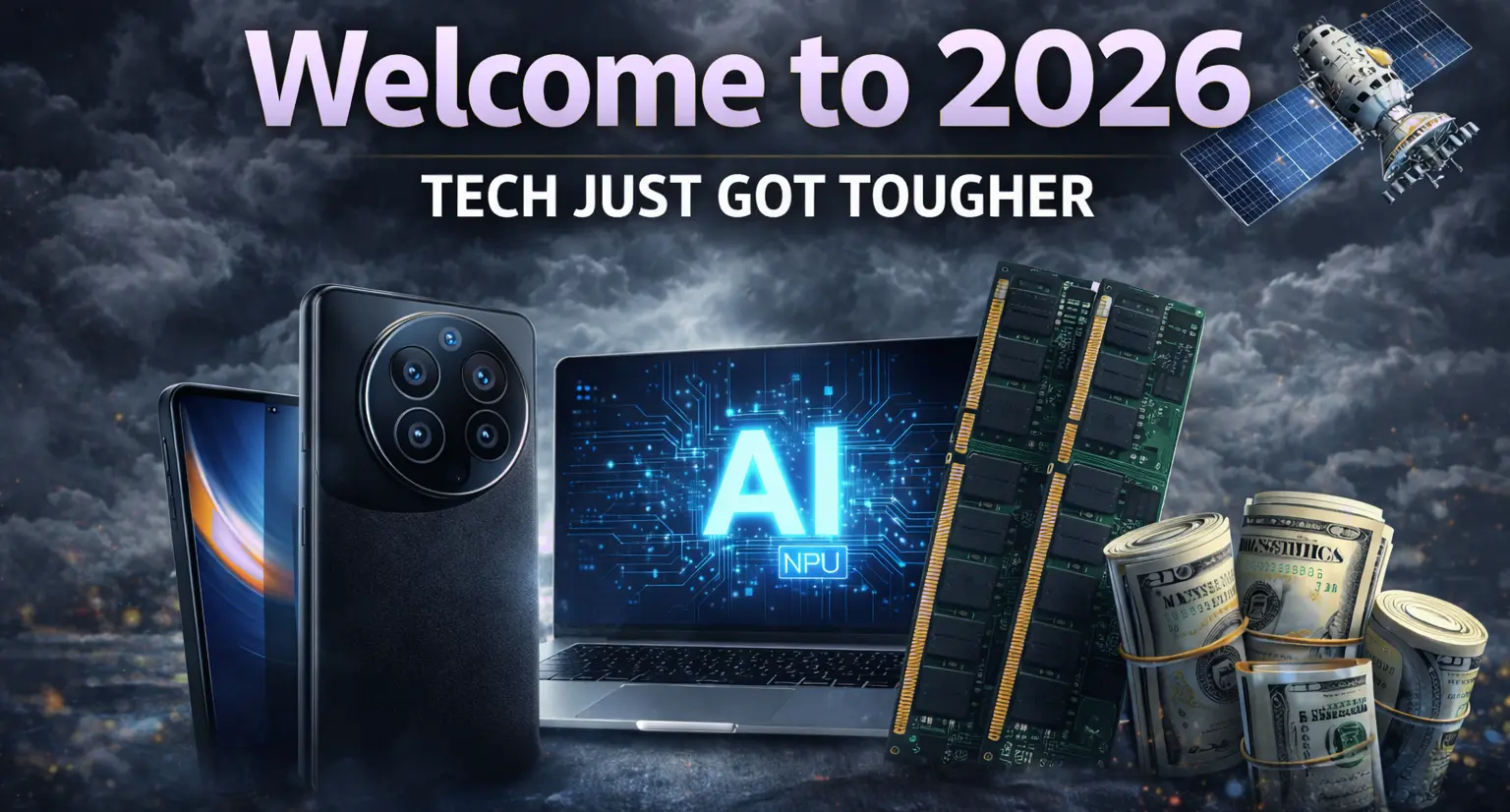
As 2025 fades out, the technology industry is doing something it rarely likes to admit. It is resetting expectations. The past year was not about radical innovation. It was about preparation. Smartphones became faster, not smarter. AI became louder, not always better. PCs promised a future that felt close, but not quite ready. Underneath all of this, the foundations of the tech market shifted in ways most users never saw.
Now, as we say, welcome to 2026, the tone is finally changing... even abruptly. This certainly wil not be the year of shiny breakthroughs. It is the year when technology will get more serious, more expensive, and more selective about who it serves first. Unfortunately, for us tech lovers, some areas of the segment aren't looking promising, as far as accessibility is concerned.
AI Moves From Feature to Foundation in 2026
After years of a playful approach, AI is now part of the lives of many users across the world. In 2026, AI will stop being a bonus and will become a requirement. The industry is done bolting chatbots onto apps and calling it innovation. What comes next is AI that lives inside the device, running locally, quietly, and constantly.

The New processors are built for this reality. The Phones and PCs are no longer just faster versions of last year’s models; they're now able to handle AI tasks locally. They are designed to keep data on the device, reduce cloud dependence, and react instantly. This shift improves privacy and speed, but it comes at a cost. AI needs memory. A lot of it and that brings us to the problem nobody likes to market.
Memory Is the New Bottleneck
For more than a decade, memory was cheap, abundant, and easy to scale. That era is ending.
As AI data centers consume more DRAM and NAND than consumer devices ever did, manufacturers are prioritizing high-margin enterprise memory over smartphones and PCs. This is not a temporary hiccup. It is a new strategic choice that focuses on the profit given by enterprises.

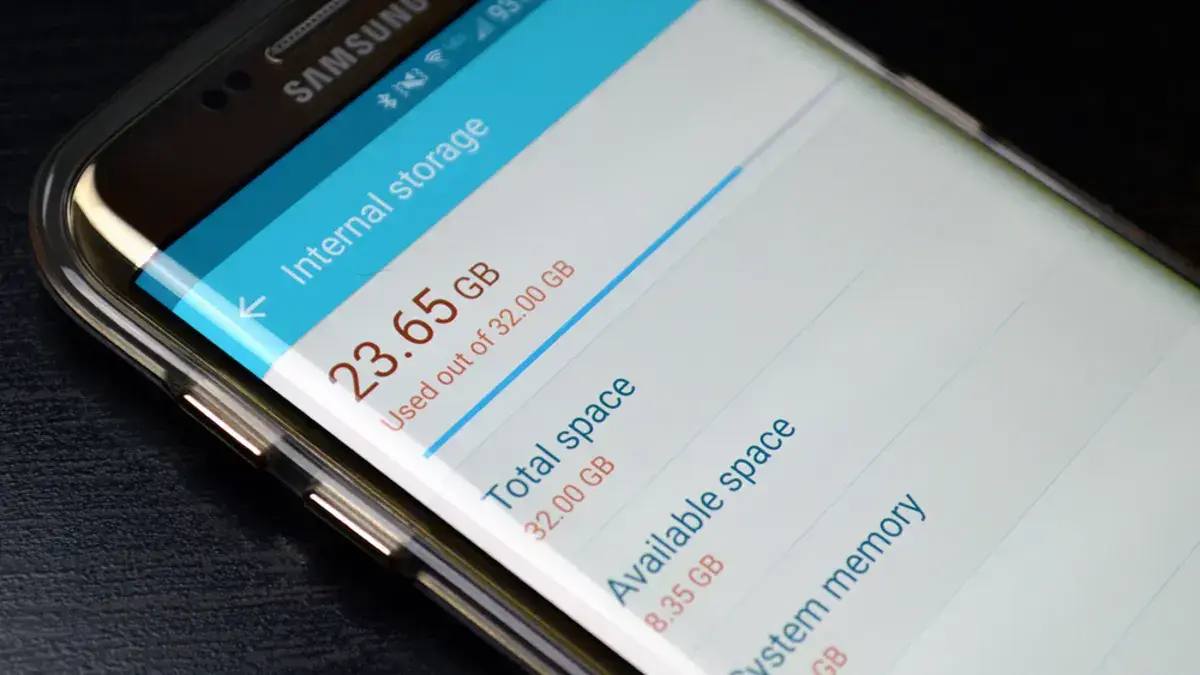
In 2026, consumers will feel it. In fact, we're already feeling that the prices of RAM and Storage are being catapulted to space. Devices with those components will cost more. Entry-level phones will stop being so generous. Forger Basic or Mid-range smartphones are flirting with flagship specs. A low-end phone with 12GB of RAM might become a thing of the past. Even high-end phones may stop increasing RAM, not because brands do not want to, but because they cannot justify the cost.
The message is simple. Memory is no longer a given. It is a premium.
Smartphones Become Conservative Again
One of the quiet trends of 2026 will be restraint. After years of pushing specs down the price ladder, phone makers are finally pulling back. The industry learned a hard lesson. Selling high specs on thin margins works only when components are cheap. That is no longer the case.
Flagships will stay powerful, but upgrades will be smaller. Mid-range phones will focus on balance instead of excess. Budget phones will make clearer compromises. This is not a failure. It is a correction. Ironically, this may improve the user experience. We may see bigger optimizations in software, as companies will no longer need more and more RAM every year. We might end up seeing fewer gimmicks or less fake AI. Instead, the focus will go to reliability, battery life, and long-term support.
PCs Face an Awkward Moment
When it comes to the PC market, things will be difficult in the next year. As we enter 2026, big promises will be made. On one hand, Windows refresh cycles and AI PCs are supposed to drive growth. On the other hand, memory shortages and rising costs make those same machines harder to sell.

AI PCs require more RAM by design. But RAM will be more expensive and limited. Vendors will have difficult choices ahead: Raise prices, cut margins, or reduce specs. None of these options is truly attractive. Obviously, the big manufacturers will survive this crisis. The smaller brands and DIY builders are the ones that will struggle. The Pre-built systems may quietly regain popularity, not because they are better, but because they are easier to source and finance. The same goes for pre-built PCs. Honestly, in some markets, we may even see the return of DDR3 computers. Not because we wil see new DDR3 sticks being sold in big stores, but because consumers will have to rely on older hardware to pursue their PC dreams.
Connectivity Improves, Control Tightens
As far as connectivity goes, 2026 may bring some changes to this landscape. The Satellite connectivity, eSIMs, and always-on networks will certainly expand in 2026. At the same time, we may see these technologies growing and becoming more reliable, which will result in a more controlled ecosystem, more preloaded services, and more invisible decisions made on behalf of the user.

As convenience increases, the freedom wil slowly shrink. This is something that most users will accept.
Sustainability Stops Being Optional
In 2026, sustainability is no longer marketing. It is a regulation for the good and for the bad. We might see longer update policies, recycled materials, and repairability standards getting a bigger attention. But don't think some companies wil do this because they are nice, it's because governments will start to demand.
This will raise costs but will also improve device lifespan. Expect fewer radical redesigns and more refinement. Technology may slow down in some areas, and we may also see the establishment of some unpopular trends, like the removal of the charging brick in some smartphone launches.
Read also
A More Expensive, More Mature Future For Technology
If 2025 was the calm before the shift, 2026 is where the new rules apply. Don't get me wrong, the technology does not get worse. It will get heavier in almost every aspect. Heavier in cost, heavier in responsibility, heavier in expectations. The trades will also be heavier for consumers.
The era of cheap power is ending. What replaces it is smarter, quieter, and more deliberate. How we will react to the new reality, it's a thing that we wil have to wait to discover.
Popular News
Latest News
Loading