The Snapdragon 8 Gen 5 is now official, and it arrives with a clear shift in attitude. Qualcomm still cares about raw power, but the real story is how much smarter and more natural phones might start to feel. With new flagships lining up for release, this chip gives a hint of what 2025’s Android landscape will look like.

AI That Plays a Bigger Role in Daily Use
Qualcomm keeps talking about on-device intelligence, but this time it feels more grounded. The upgraded Sensing Hub can pick up intent just by how you lift the phone, which means AI assistants can wake without shouting a trigger phrase. It is a small thing, yet it changes how you interact with a device. I have always felt that the most impressive features are the ones you stop noticing after a week because they just work.
The NPU’s 46 percent boost should also help brands experiment with their own AI flavors. Android is becoming a patchwork of assistants, and a stronger base gives everyone more room to play.
Oryon CPU Brings the Big Leap
The biggest noise this year is around the Oryon CPU. Bringing the laptop-grade architecture into phones is a bold move, and the numbers reflect that confidence. Qualcomm claims up to 36 percent better performance than the Snapdragon 8 Gen 3, with peak speeds hitting 3.8 GHz. Even web performance jumps 76 percent, which is a stat you only appreciate after switching to a slower phone.
From a practical angle, this might be the first time in a while that everyday tasks feel tangibly faster, not just benchmark-faster. More headroom usually means phones stay snappy longer, and that is something users actually care about.

GPU Tweaks for Smoother Games
The new Adreno GPU does not try to rewrite mobile graphics. Instead, Qualcomm went for a sliced architecture that helps clock speeds scale more efficiently. An 11 percent performance bump might not win headlines, but steadier frame rates matter more than peak numbers when you are actually gaming.
With mobile ray tracing becoming less of a novelty, this generation seems focused on consistency. It is the right call. If anything, mobile games benefit more from stable performance than eye-catching tech demos most players will never enable.
Camera Tools Designed for Flexibility
The triple 20-bit ISP returns with stronger computational photography tools, and this time it is less about resolution bragging and more about flexibility. Support for up to 320 MP photos, 4K at 120 FPS, and real-time AI adjustments gives manufacturers plenty of room to define their own camera identity.
One personal note: camera quality now depends as much on software philosophy as hardware, and this platform lets brands double down on their own look. Vivo’s softer tones, Google’s contrast-heavy style, Xiaomi’s cinematic push. Snapdragon 8 Gen 5 simply broadens the canvas.
Connectivity Prepped for the Next Wave
Wi-Fi 7 support through FastConnect 7900, Bluetooth 6.0, integrated UWB, and the X80 5G modem make the platform feel ready for where networks are headed. You may never see the peak speeds Qualcomm likes to quote, but the stability improvements tend to matter more. Anyone who has struggled with crowded networks knows exactly why.

OnePlus Steps Out First
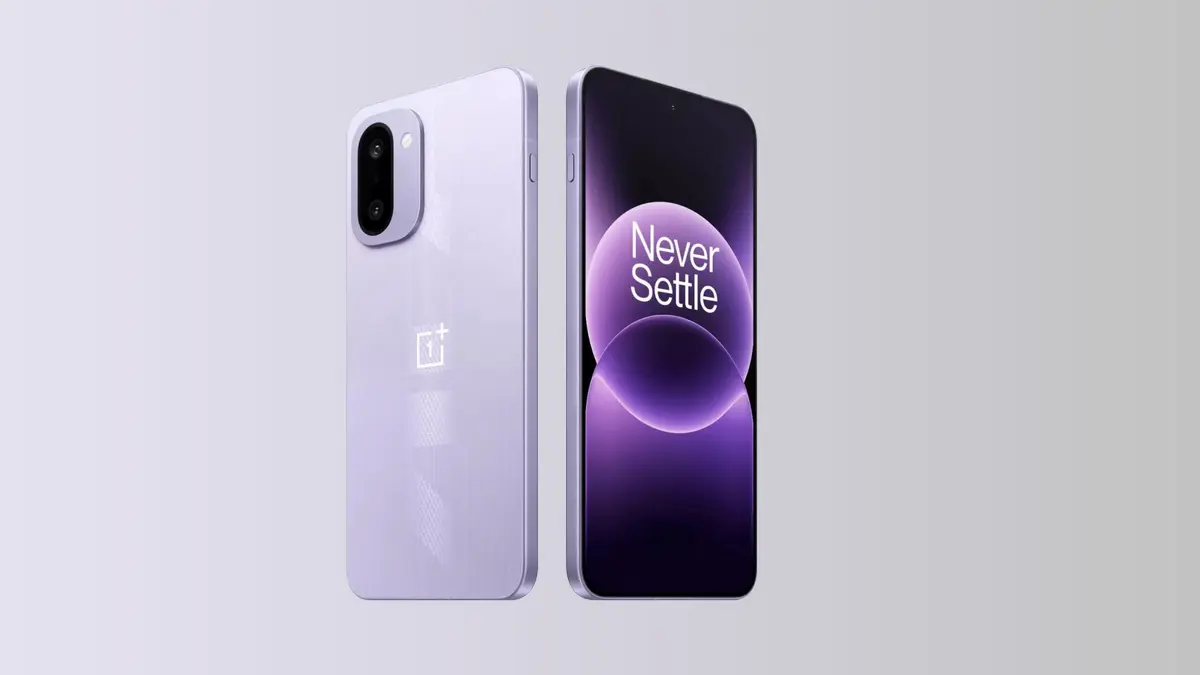
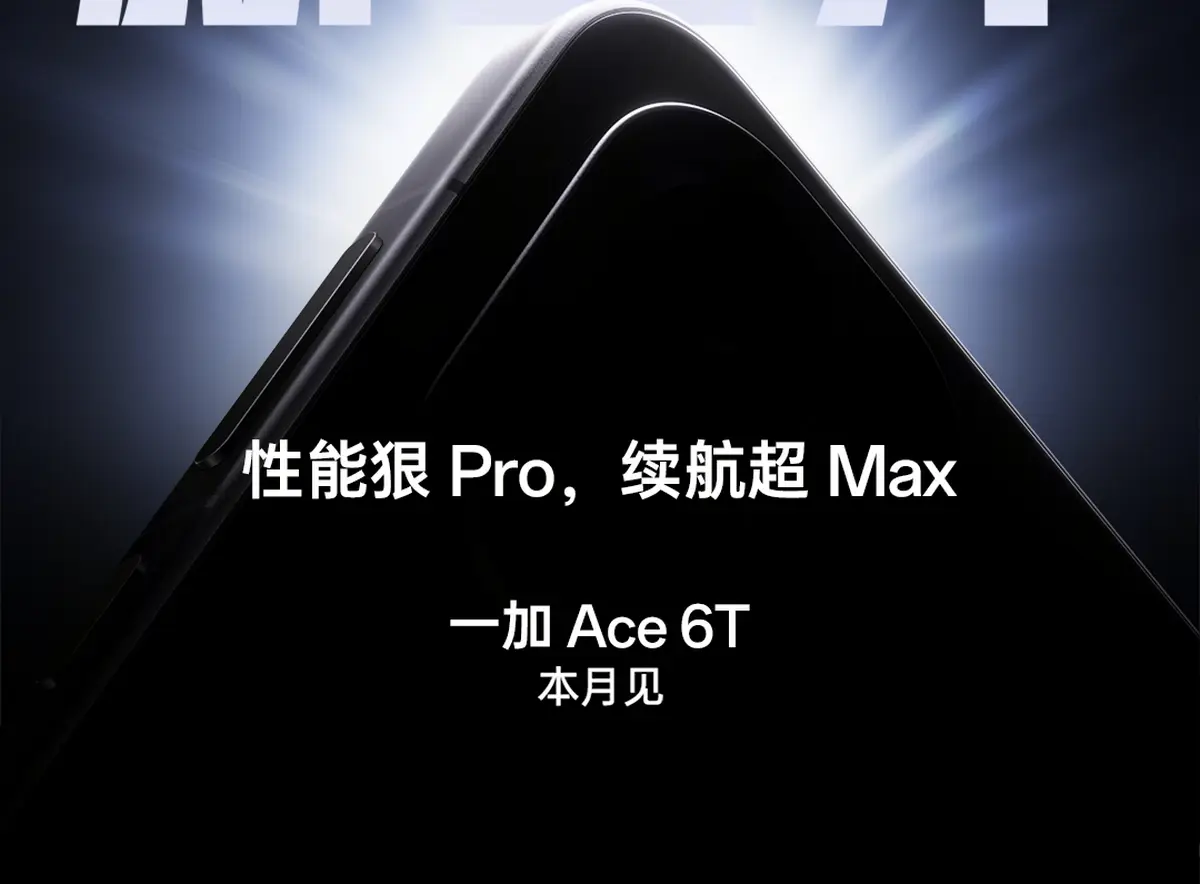
Qualcomm says several brands already have phones on the way, but OnePlus will kick things off with the Ace 6T in China. Globally, the same phone is set to ship as the OnePlus 15R on December 17. OnePlus often tries to be first with new Qualcomm chips, and this year it seems even more eager.
It might also be the first phone to show how far the intent-based AI features can go in real life. If OnePlus leans in, we may get a clearer picture of what next-gen Android interaction feels like.
A Chip That Signals a Clear Direction
Snapdragon 8 Gen 5 shows that smartphones are shifting from “fast” to “fast and aware.” Raw power still matters, but users will notice the real changes in the small moments: a phone that responds the instant you need it, a camera that adjusts on its own, a network that holds steady in busy areas. That is where this platform seems to make its mark.
Closing Thought
If Qualcomm delivers on these promises, daily smartphone use could feel a little smoother, a little smarter, and a bit more personal.
Key Takeaways
- Oryon CPU architecture brings Qualcomm’s biggest leap in years
- AI becomes more intuitive thanks to intent-based sensing.
- GPU improvements focus on real-world gaming smoothness.
- Camera tools expand for more flexible brand tuning.
- OnePlus launches the first Snapdragon 8 Gen 5 phone worldwide.
Popular News

Latest News
Loading