The vivo X300 launched with a 200MP primary camera and made it a headline feature. The vivo X500, its successor, is ditching that entirely. Tipster Digital Chat Station just revealed the camera configuration on an X500 engineering prototype, and it's a triple-camera system led by a 50MP Sony sensor at 1/1.28 inches. That's not a downgrade — it's a strategic repositioning.
Summary
- The vivo X500 base model swaps the X300's 200MP main for a 50MP Sony 1/1.28-inch primary sensor, a 50MP ultrawide, and a 64MP Sony periscope telephoto at 70mm — all confirmed by Digital Chat Station via Weibo.
- The 64MP periscope unit may be the same one being tested for the X500 Pro, though that's unconfirmed.
- Other expected specs: a 6.59-inch 1.5K flat OLED display, 3nm Dimensity 9500 (not the new 2nm Dimensity 9600 — that's reserved for the Pro tier), and a 7,500mAh battery.
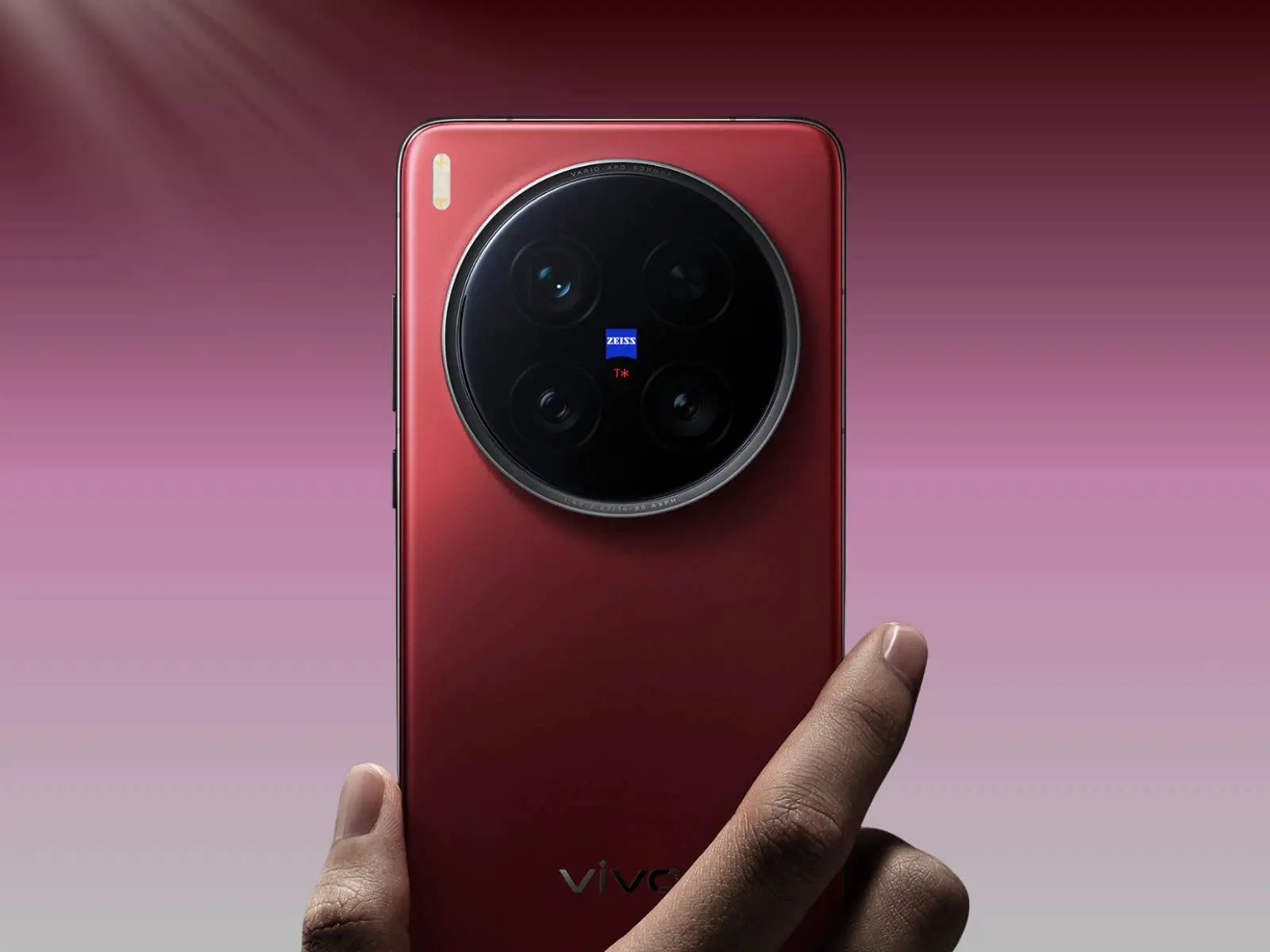
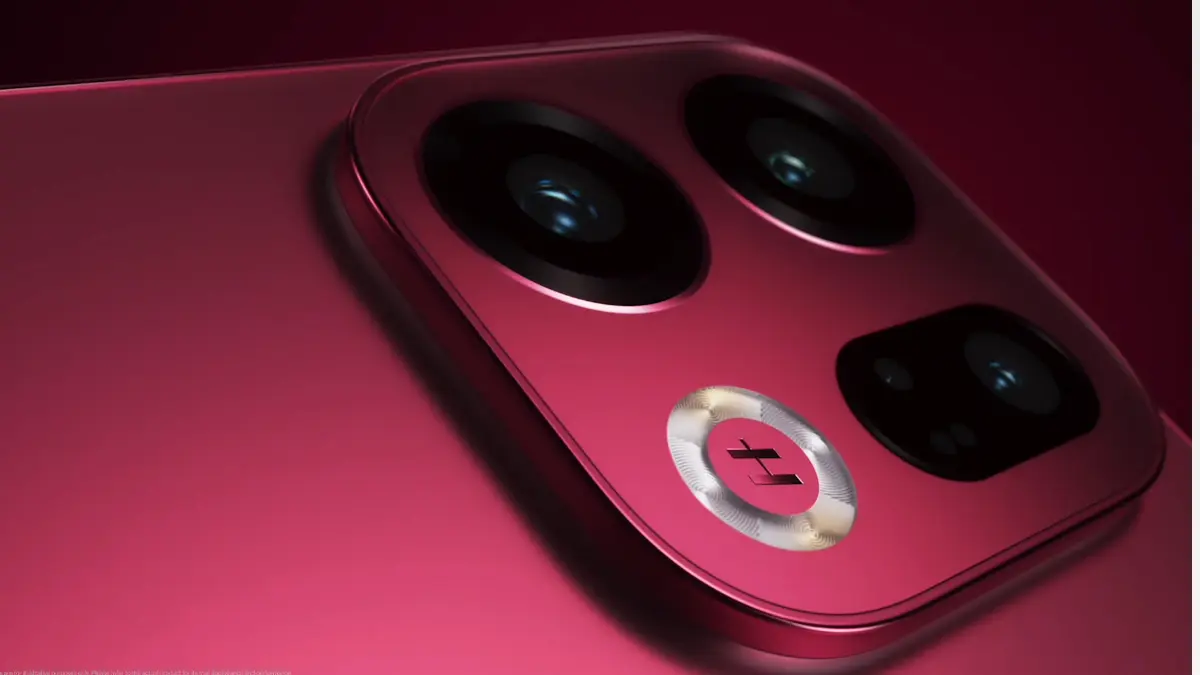
- The entire X500 lineup abandons Vivo's iconic circular camera module in favor of a horizontal camera island — the biggest design change in the X series in years.
- September China launch expected for the X500, X500 Pro, and X500 Pro Max; the X500e and X500 Ultra follow in early 2027.
The 200MP Drop Is Actually the Smart Move
Dropping from 200MP to 50MP on the main sensor sounds like a regression. It's not. The X300's 200MP Samsung HP2 sensor was large but pixel-binned for almost all practical shooting — real-world results came from 12.5MP quad-pixel binning, not 200MP raw captures. A purpose-built 50MP Sony sensor at 1/1.28 inches is a fundamentally different proposition: larger pixels, better light gathering, and faster processing across the whole frame.
Read also
The math works differently here too. Vivo's reserving the high-megapixel camera story for the X500 Pro Max — which leaks suggest will carry a 200MP periscope telephoto on a 50MP Sony LOFIC primary — and the standard X500 doesn't need to compete with that. It just needs to be a great camera at its price point.
The vivo X500 doesn't need 200MP to compete — it needs a 1/1.28-inch Sony sensor that outperforms binned megapixel counts in real light. That's precisely what this configuration looks like.
Three Chips, Three Tiers
The chipset split across the X500 family is now clearly defined. The standard X500 runs on the 3nm Dimensity 9500 — the same generation powering the vivo X Fold 6 and Redmi K90 Max, still a capable chip. The X500 Pro steps up to MediaTek's upcoming 2nm Dimensity 9600. The Pro Max gets the Dimensity 9600 Pro variant. That's a clean, logical ladder: same series, different process node and performance ceiling at each step.
The deliberate choice to skip the Dimensity 9600 on the base model keeps costs in check without crippling the phone. It could be a deliberate choice by Vivo to make the X500 a slightly more affordable option in a lineup where the Pro and Pro Max take the glory.

A 7,500mAh Battery in a Sub-6.6-Inch Phone
The battery figure deserves attention. That's a massive cell for a phone with a sub-6.6-inch display, and it represents a significant jump from the X300's 6,040mAh. Combined with the Dimensity 9500's efficiency profile, real-world runtime could push into multi-day territory under moderate use. Fast charging specs haven't surfaced yet.
One design note worth flagging: the entire X500 lineup ditches the circular camera island that's defined Vivo's X series for generations, switching to a horizontal module. It's a bigger aesthetic shift than the camera specs themselves.
Popular News

Latest News
Loading