No HyperOS 3.1 for You: Xiaomi Devices Missing Out on Android 16 Upgrade
Xiaomi NewsMonday, 03 November 2025 at 08:44
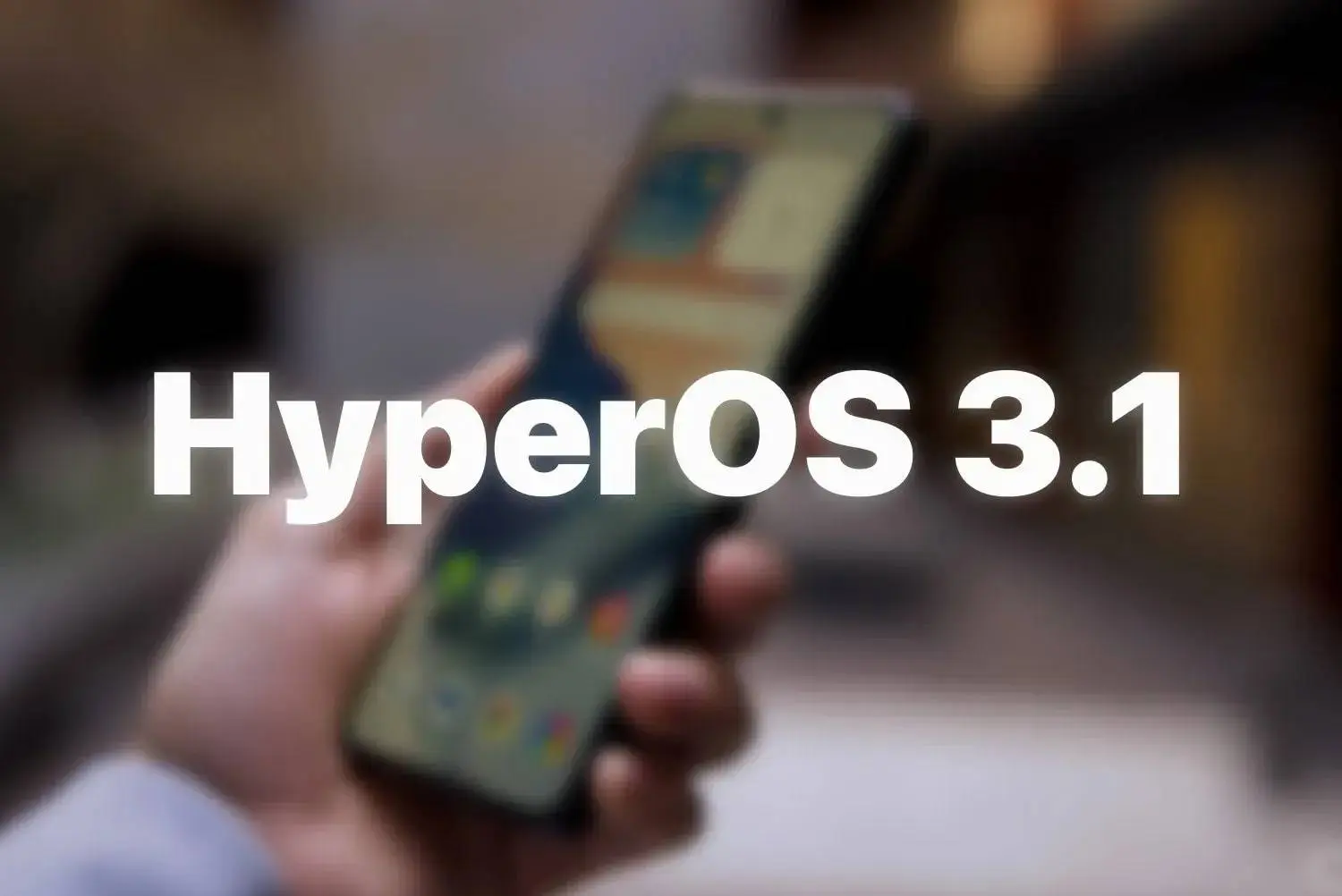
It’s one of those updates that makes the news not for what it adds, but for what it leaves out. Xiaomi’s HyperOS 3.1 is coming, built on Android 16, and that’s where the catch lies. If your phone’s still running Android 15, it won’t be seeing this one. That’s not a rumor — it’s official.

The Cutoff No One Wanted
The logic is simple, even if the outcome isn’t pretty. Xiaomi’s now linking every major HyperOS version directly to its Android base. So, 3.1 pairs with Android 16, and that’s that. Anything older stays behind.
That list isn’t short, either. It includes big names — POCO F5, Redmi K60, the Xiaomi 12 series, even the Civi 3. Phones that, not long ago, were sitting comfortably in Xiaomi’s upper tier. It’s easy to see why some owners feel blindsided.
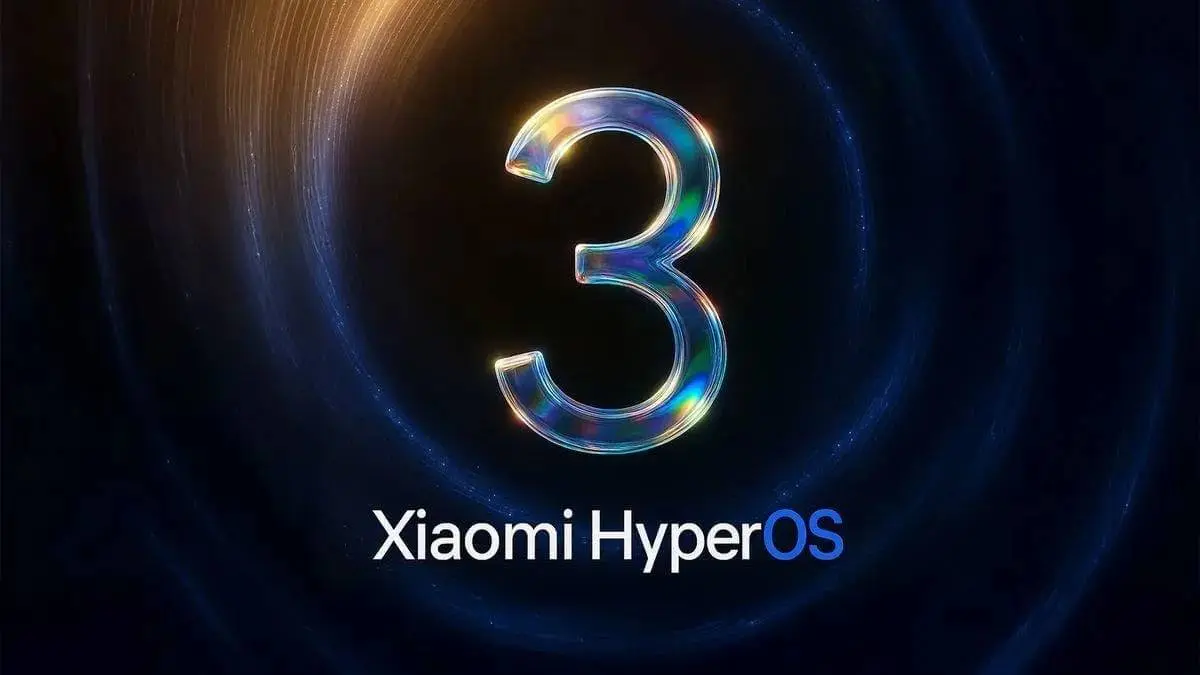
You can feel a shift in tone here — Xiaomi isn’t trying to please everyone anymore. It’s tightening its circle, focusing updates on devices it can fully optimize, and letting the rest fade into maintenance mode.
What 3.1 Actually Brings
If you do get the update, there’s plenty to like. The Recent Apps view now feels closer to iOS — cleaner, more tactile. The Control Center gets reworked tiles you can resize, drag around, or shrink down. It’s the kind of visual polish that makes daily use feel faster, even when performance numbers stay the same.
Xiaomi’s larger goal is clear: unify the look and feel of its phones, tablets, and smart home gear. The HyperConnect idea — everything tied together under one design language — is starting to show. You can sense the Apple inspiration, but filtered through Xiaomi’s own logic.
Why Xiaomi Drew the Line
Behind the scenes, this decision isn’t about exclusion — it’s about control. Xiaomi supports an absurd number of devices, and syncing updates across multiple Android bases is a nightmare. By tying HyperOS 3.1 to Android 16 only, engineers can focus on refinement instead of patchwork support.

It’s a cleaner model, though not everyone will cheer it. Someone who bought a Xiaomi 12 Pro in late 2022 could fairly ask why their flagship is already out of the upgrade cycle. That’s a trust issue Xiaomi still needs to solve if it wants to play in Samsung’s league, where updates stretch well past four years.
The Human Side of Updates
Let’s be honest: for most people, the difference between HyperOS 3.0 and 3.1 won’t be life-changing. But psychologically, being “left behind” hits harder than missing an icon redesign. It’s about belonging — the sense that your phone still matters.
At least Xiaomi’s not pulling the plug entirely. Devices stuck on Android 15 will still get security patches and minor backports. They won’t look new, but they’ll stay safe and snappy enough for daily use.

Looking Ahead
This feels like a turning point. Xiaomi’s learning to say no — to older phones, to sprawling support lists, to messy version overlap. It’s a tough lesson, but maybe a necessary one if the brand wants HyperOS to grow up.
You can argue it’s the start of a more mature era. Or you can see it as the end of Xiaomi’s old, flexible charm. Either way, it’s a clear statement: from now on, Android 16 is the floor.
Five Key Takeaways
- HyperOS 3.1 runs only on Android 16 — older phones won’t get it.
- Models like POCO F5, Redmi K60, and Xiaomi 12 Pro are excluded.
- The update refines multitasking, UI polish, and Control Center design.
- Xiaomi wants tighter ecosystem control via HyperConnect.
- Older phones still receive security patches, just not full upgrades.
Popular News

Latest News
Loading