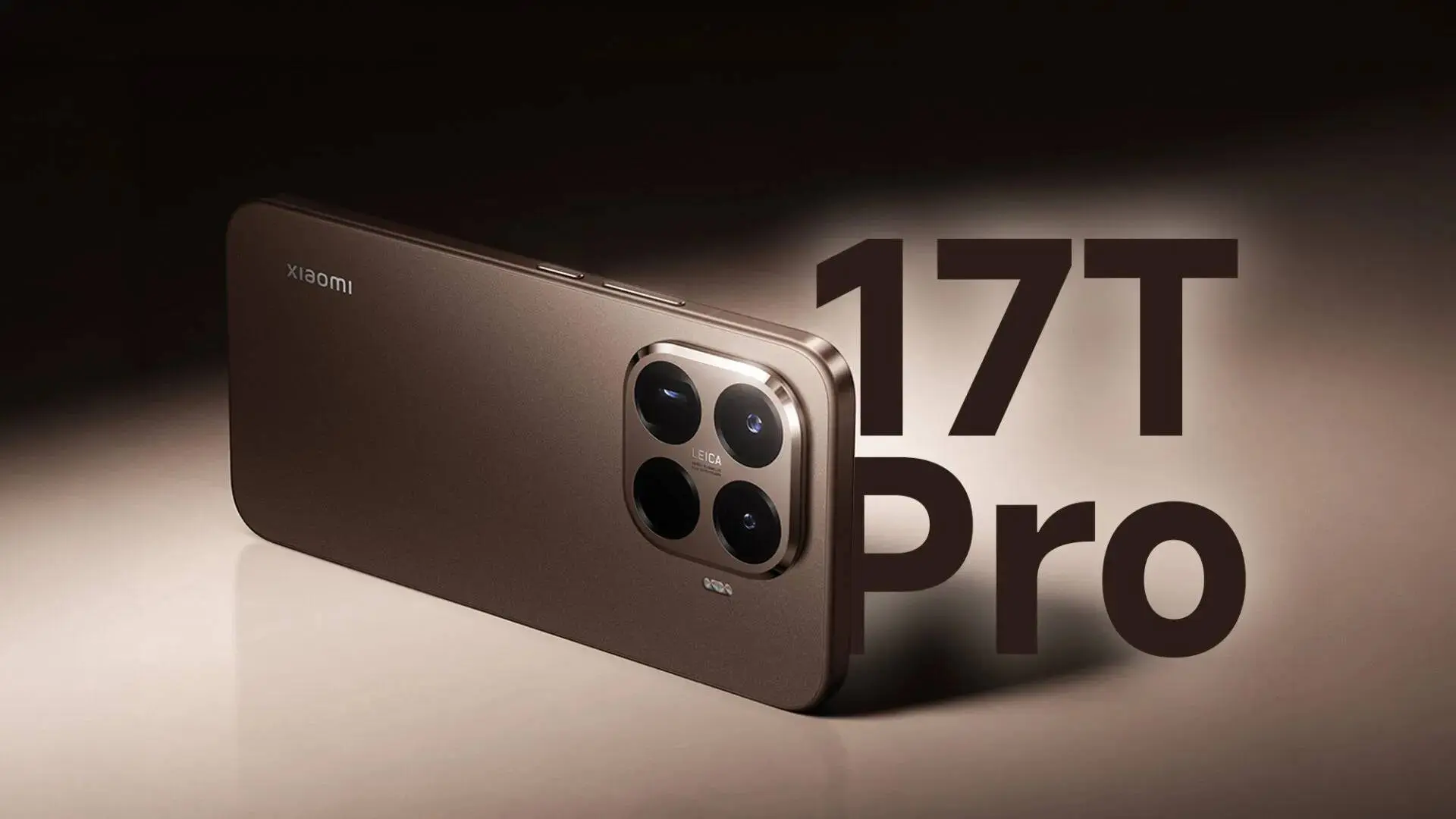
Fifteen years of T-series phones sold globally. None of them sold in China. Until June 8.

Summary
- The Xiaomi 17T and 17T Pro officially launch in China on June 8, 2026 — a historic moment as the first time the T-series has been formally adapted for the Chinese market after years of exclusively targeting international regions.
- Both models use Xiaomi's Jinshajiang silicon-carbon battery with a 16% silicon content — the highest in the company's history, shared with the Xiaomi 17 Max — delivering 6,500mAh on the 17T and 7,000mAh on the 17T Pro.
- The 7,000mAh Pro battery is 27% larger than the 15T Pro's cell, rated to retain 80% capacity after 1,600 charge cycles, and supports both 100W wired HyperCharge and 50W wireless charging — the standard 17T charges at 67W wired.
- The 17T Pro features a 6.83-inch CrystalRes AMOLED at 144Hz, 3,500 nits peak brightness, Dimensity 9500, 3D IceLoop cooling, 12GB LPDDR5X RAM, and up to 1TB UFS 4.1 storage — with Leica co-developed triple cameras including a 5x periscope telephoto.
- Xiaomi President Lu Weibing confirmed the China T-series debut will use a redesigned launch format with younger presenters, targeting a domestic audience that Xiaomi acknowledges has previously been underserved by the global-only T-series strategy.

"The T-series already has over 15 million users across more than 100 countries — but until June 8, none of those users were in China. Bringing the 17T to its home market is less a product decision and more an admission that Xiaomi's strongest battery-and-Leica combination in the mid-range needed to be available to Chinese buyers too."
The Battery Milestone in Numbers
The 16% silicon content figure requires context. Standard lithium-ion batteries use graphite anodes. Silicon holds significantly more charge per gram, but expands and contracts during charging cycles — causing degradation over time. At 16% silicon content, Xiaomi's Jinshajiang cells balance energy density against longevity, achieving the 1,600-cycle rating before dropping below 80% capacity. For daily charging users, that's roughly four years of use before the battery meaningfully degrades. The 7,000mAh Pro cell delivers an energy density of 894Wh/L — a number that puts it among the densest batteries in any consumer device at this price tier.

The 27% jump from the 15T Pro's 5,500mAh to the 17T Pro's 7,000mAh is the biggest generational battery increase in the T-series' history. Xiaomi claims 1.88 days of typical use — real-world results across global reviewers have broadly validated that number for moderate users.

The China Homecoming and What It Means
The T-series' absence from China hasn't been an oversight. Xiaomi made a deliberate decision to position the T-line as its international mid-range offering while reserving the numbered series (17, 17 Pro, 17 Ultra, 17 Max) for the domestic market. That segmentation served the brand well — but created an awkward gap where Chinese consumers who wanted a 7,000mAh Leica phone below flagship pricing had no official Xiaomi option.
Read also
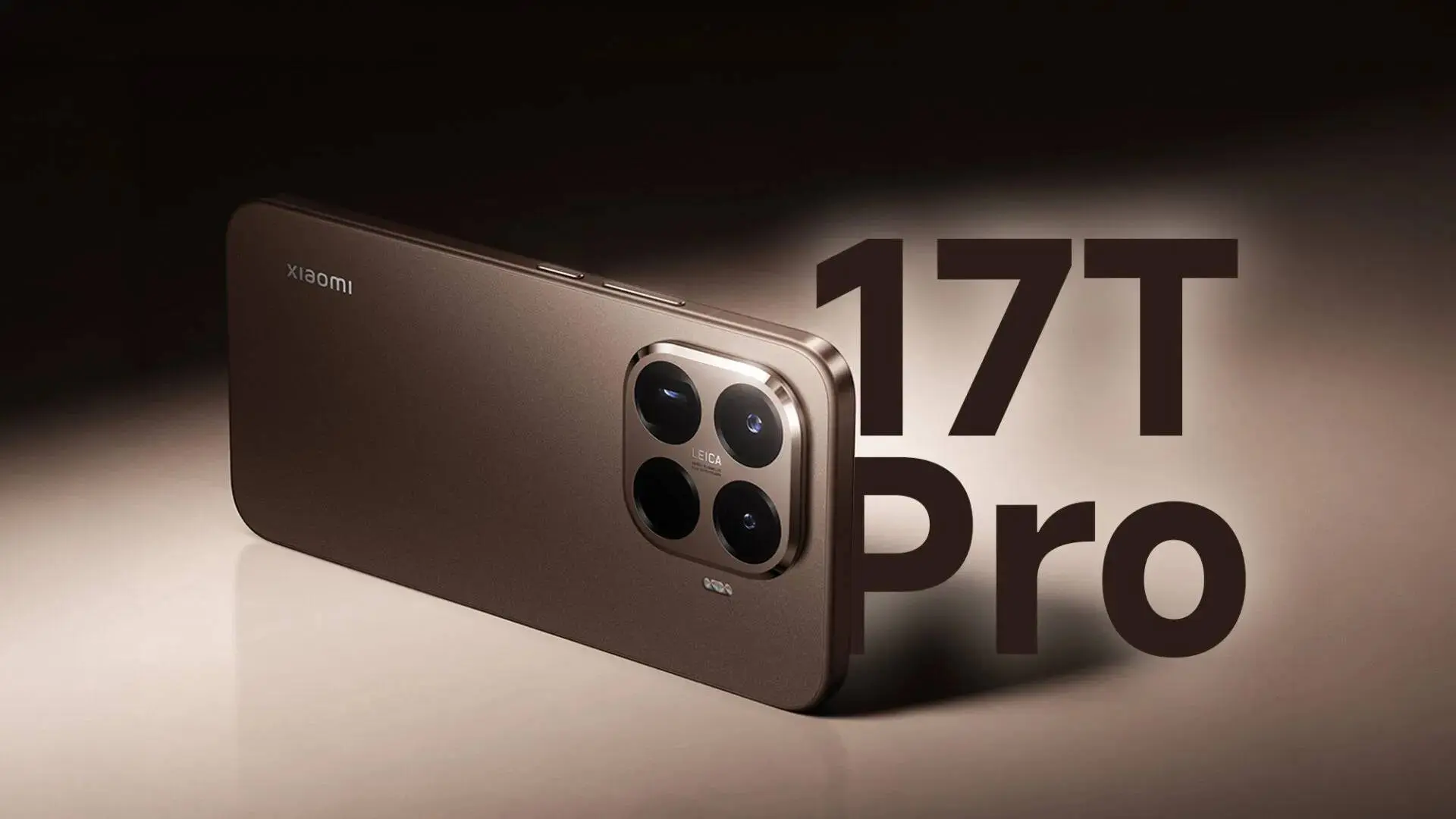
The June 8 China launch closes that gap. Lu Weibing's decision to use a redesigned, youth-oriented presentation format signals this isn't a quiet regional expansion — it's a deliberate repositioning of the T-series as a genuine product tier within Xiaomi's domestic lineup.
Popular News
Latest News
Loading