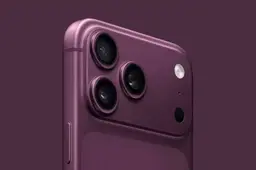
Xiaomi 18 Pro Series Launches With Snapdragon 8 Elite Gen 6 and an 8,500mAh Battery
Xiaomi NewsWednesday, 23 September 2026 at 15:30
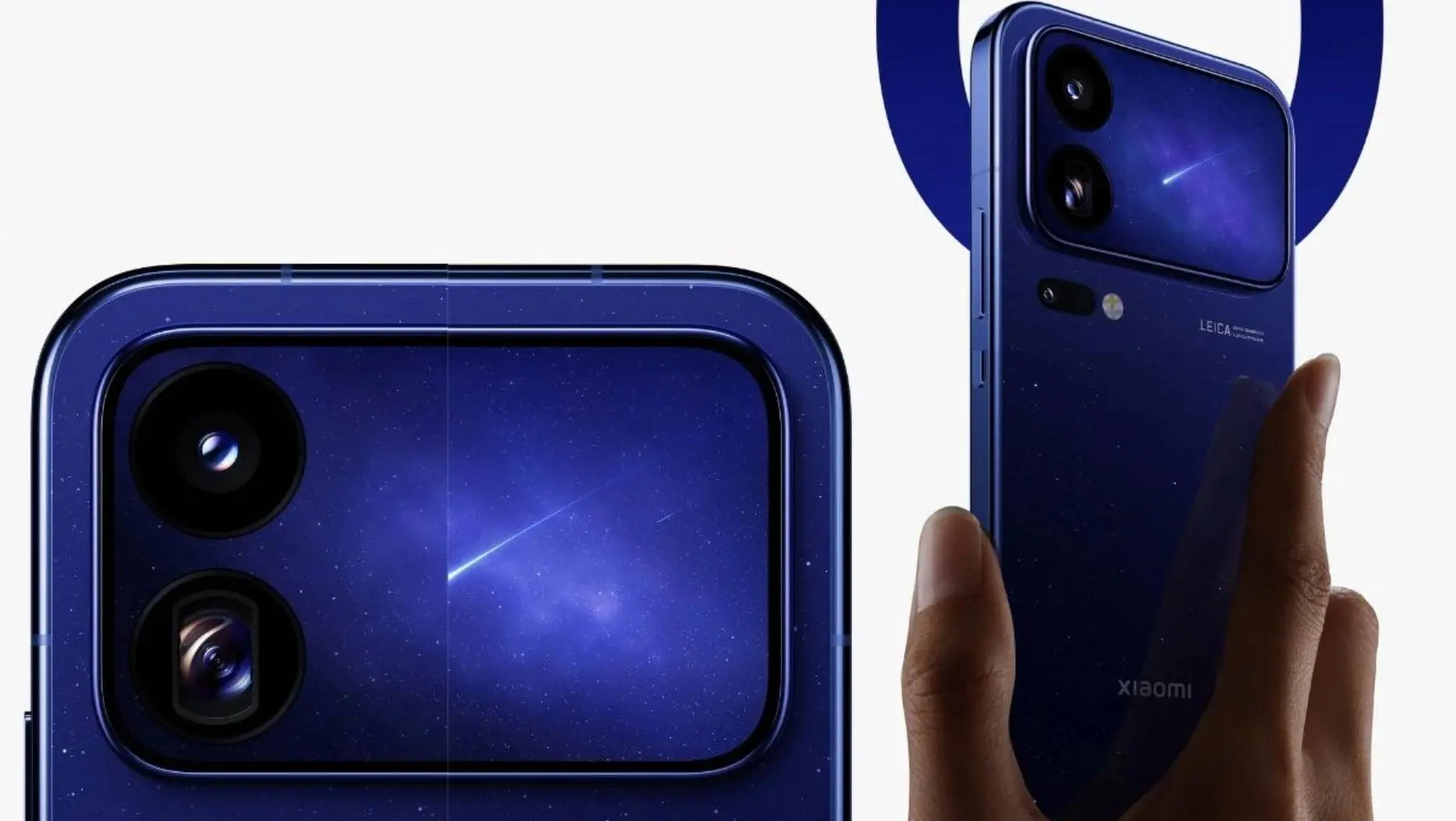
Xiaomi has officially launched the Xiaomi 18 Pro and Xiaomi 18 Pro Max in China. This is a big release for the company, with both phones bringing new Snapdragon chips, dual 200MP Leica cameras and much larger batteries.

The Pro Max is the real headliner. It packs an 8,500mAh battery and Qualcomm's new Snapdragon 8 Elite Extreme Gen 6 chip. The standard Pro gets a 7,000mAh battery and the regular Snapdragon 8 Elite Gen 6. Both chips use a 2nm process.

Two new Snapdragon chips
The Xiaomi 18 Pro is the first phone to use the Snapdragon 8 Elite Gen 6.
The 18 Pro Max goes one step further with the Snapdragon 8 Elite Extreme Gen 6.
Both chips are built on a 2nm process. Xiaomi says the new platform brings a major jump in performance and power efficiency. The Pro Max also uses a new cooling system with an Offset PoP design and a 3D IceLoop system to keep temperatures under control.
For me, the chip choice is one of the most interesting parts of this launch. Xiaomi is not just giving the Pro Max a bigger battery and screen. It is also using the more powerful version of Qualcomm's new platform.

200MP Leica cameras on both phones
Xiaomi has also made a big change to the camera system.
Both phones use two 200MP Leica cameras. One is the main camera, while the other is a periscope telephoto lens.
The main camera uses a large 1/1.28-inch sensor. The telephoto camera uses a 1/1.56-inch sensor and offers a 75mm equivalent focal length with 3.2x optical zoom.
It can also focus as close as 12cm, which means the telephoto camera can handle macro shots too. A 50MP ultra-wide camera completes the rear setup.
That is a serious camera setup.
The interesting part is not just the 200MP number. Both sensors are large, and the telephoto camera is designed to work across more situations. That should make the Pro series more useful for portraits, zoom shots and close-ups.
The Pro Max gets an 8,500mAh battery
Battery life is another major upgrade.
The Xiaomi 18 Pro has a 7,000mAh battery, while the 18 Pro Max gets a huge 8,500mAh cell.
Both use Xiaomi's new silicon-carbon battery technology, with 32% silicon content. The phones also support 100W wired charging and 50W wireless charging in China.

An 8,500mAh battery is still unusual for a flagship phone. It is one of those specifications that immediately stands out on paper.
And this is where I think the Pro Max could be especially interesting. Xiaomi is pairing that battery with a powerful 2nm chip, rather than using the huge capacity to compensate for an inefficient platform.
A 4,000-nit display with tiny bezels
The Xiaomi 18 Pro has a 6.4-inch display, while the Pro Max moves up to 6.9 inches.
Both use Xiaomi's new Super Pixel Display 2.0 technology and an M11 light-emitting system. Xiaomi claims peak brightness of up to 4,000 nits.

The bezels are also just 0.99mm on all four sides.
There is another feature that caught my attention. Xiaomi has added hardware-level privacy protection to the display. It can hide sensitive information from people looking at the screen from an angle, while keeping the image clear for the person holding the phone.
This is a much more useful feature than another small increase in peak brightness, especially for people who use their phones in public.

The rear display is back
Xiaomi is also keeping the rear display that first appeared on the previous Pro generation.
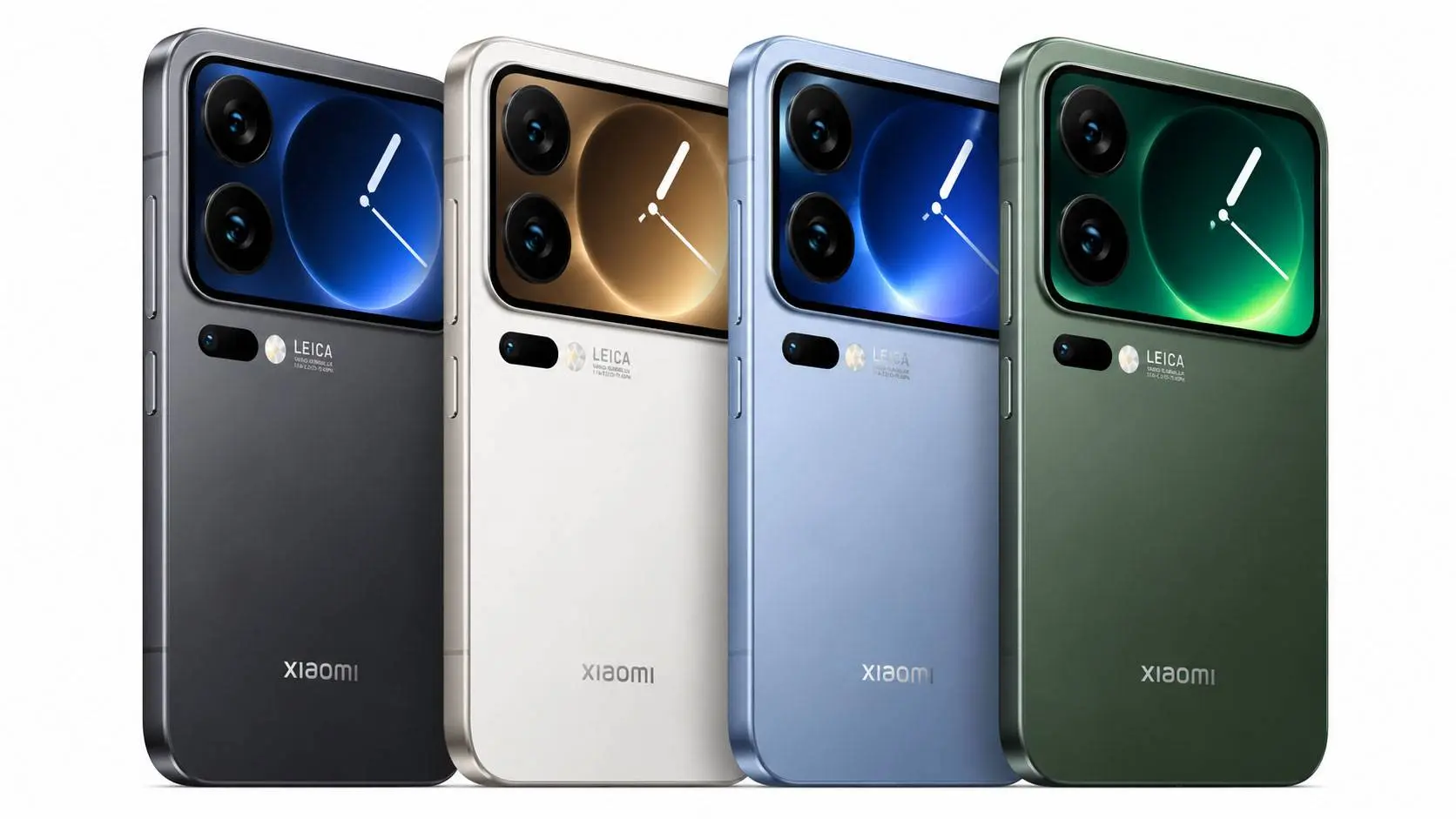
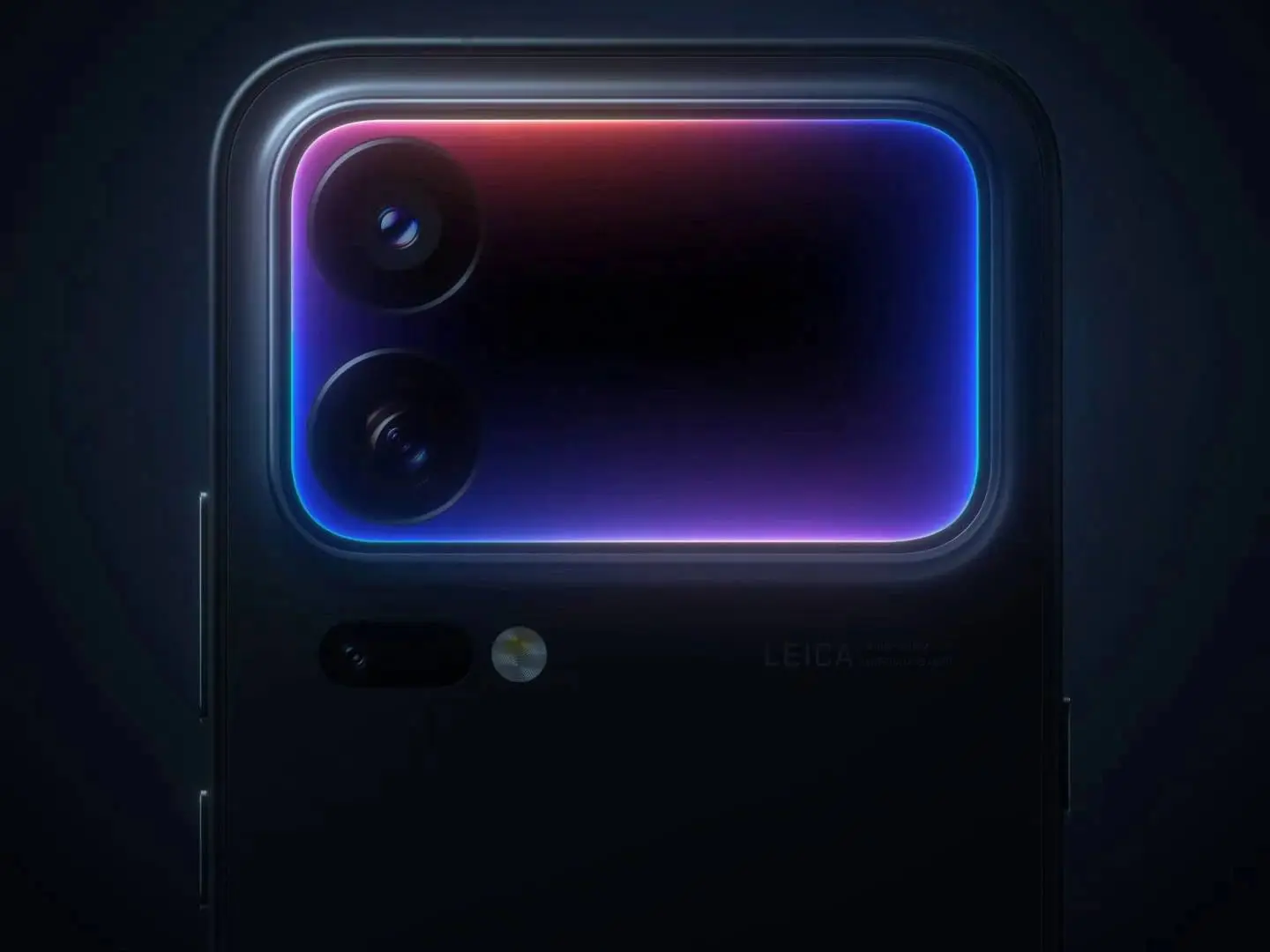
The screen sits around the rear camera area and can show notifications, widgets and other information. Xiaomi has added more options this time, including 100+ rear-screen application cards.
There are also AI features that can create wallpapers for the rear display. Users can even generate custom content based on photos and other images.
This remains one of the more unusual features in the Xiaomi lineup.
I still think its success will depend on how many useful things you can actually do with it. A rear screen is fun, but it needs good software support to become more than a gimmick.

HyperOS 4 and AI
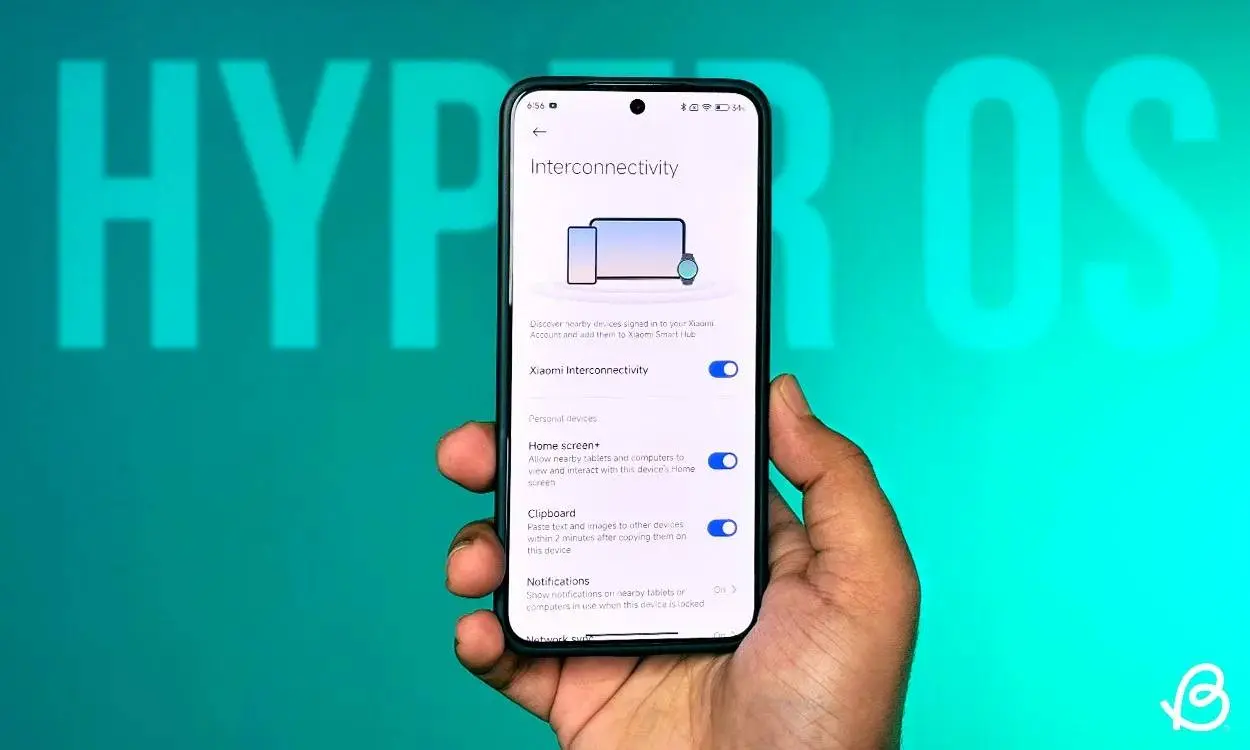
Both phones ship with HyperOS 4.
Xiaomi is also adding its latest AI features, including the new Super XiaoAI 2.0 assistant. The company says it can remember information, handle more complex tasks and work across Xiaomi devices.
The rear display also gets AI-powered tools, giving Xiaomi another way to connect its software features with the hardware.
This is becoming a bigger part of Xiaomi's strategy. The company is no longer treating AI as just a camera feature. It is trying to make it part of the whole device experience.
Read also
Xiaomi 18 Pro price
The Xiaomi 18 Pro starts at 5,999 yuan, which is about $842.
The China prices are:
- 12GB + 256GB: 5,999 yuan / about $842
- 12GB + 512GB: 6,999 yuan / about $982
- 16GB + 512GB: 7,999 yuan / about $1,122
- 16GB + 1TB: 8,999 yuan / about $1,263
The Xiaomi 18 Pro Max starts at 6,999 yuan, or about $982.
Its prices are:
- 12GB + 256GB: 6,999 yuan / about $982
- 12GB + 512GB: 7,999 yuan / about $1,122
- 16GB + 512GB: 8,999 yuan / about $1,263
- 16GB + 1TB: 9,999 yuan / about $1,403
Xiaomi has also introduced transparent special editions. The 18 Pro Special Edition costs 9,999 yuan, or about $1,403, while the Pro Max Special Edition costs 10,999 yuan, or about $1,544.
These are direct conversions of the Chinese prices. They are not confirmed US retail prices.

Xiaomi is going big this year
The Xiaomi 18 Pro series is clearly not a small upgrade.
You get new 2nm Snapdragon chips, two 200MP Leica cameras, 4,000-nit displays, tiny bezels and the return of the rear screen. The Pro Max then adds an 8,500mAh battery on top of all that.
For me, the battery is probably the biggest talking point. Flagship phones have become more powerful every year, but battery capacity has often moved much more slowly. Xiaomi is finally pushing that part of the hardware in a big way.
The camera system is just as interesting. A 200MP main camera and a large 200MP periscope telephoto give the 18 Pro series a very different approach from phones that rely on smaller high-resolution sensors.
The big question now is the global version. Xiaomi has confirmed that the series will reach international markets later this year, but global pricing and exact configurations are still to be announced.
If Xiaomi manages to keep the battery and camera hardware close to the Chinese models outside China, the Xiaomi 18 Pro series could be one of the company's most interesting flagship releases in a long time.
Popular News

Latest News
Loading